Weekly Cantata

Weekly Cantata

Tag Archives: New Year’s Day

New Year’s Day 1725

31 Sunday Dec 2017

Posted by cantatasonmymind in Cantatas, Chorale cantatas 1724/1725, Christmas, Leipzig

≈ 2 Comments

Tags

1725, Annette Markert, Christophe Pregardien, Klaus Mertens, New Year's Day, Sibylla Rubens, Ton Koopman

Happy New Year! It’s still 2017 in California as I am writing this, always a bit strange, this time difference, but it is so great to know that I have readers all over the world, from New Zealand to India to France to Brazil to Canada.

Today’s Cantata 41 Jesu, nun sei gepreiset still has a bit of Christmas in it, especially in the soprano aria with the pastoral accompaniment of the three oboes, and with an orchestration worthy of a feast day: timpani, 3 trumpets, 3 oboes,  violoncello piccolo, plus the regular strings and organ. But that’s about the only relation this cantata has with the Christmas story.

The best recording of this cantata available on YouTube is the one by Koopman. You can listen to it here. Soloists are Sibylla Rubens, soprano; Annette Markert, alto; Christoph Prégardien, tenor; and Klaus Mertens, bass.

Find the German texts with English translations of Cantata 41 here, and the score here.

Normally, on New Year’s Day, it would be time to talk about the name-giving of Jesus (the day of the circumcision), see my New Year’s Day post from last year.  While Bach clearly indicates on the first page of this cantata’s manuscript that it is intended “For the “Feast of the Circumcision,” nothing in the text or music of this cantata refers to this.

This year, Bach and his librettist have chosen to focus on the old year / new year theme instead, the same way they did that yesterday for the more intimate Cantata 122. Is this perhaps another indication that this particular New Year’s, 1725, the time on the calendar was more important than the time in the Lutheran church year?

While yesterday Bach was inspired by the early medieval tradition of conflating Christmas with New Year, today it is all about the “Alpha and Omega,” the beginning and the end, in Bach’s time seen as a symbol for God’s extended care of the people. Eduard van Hengel gives the following examples for this:

  • The closing chorale has as much musical “fanfare” in it as the opening chorus, which is rather unusual for a Bach cantata.
  • The main key of the cantata is C Major, which is at the beginning as well as at the end of the sequence of key signatures.
  • In the alto recitative, which is not in they key of C at all, Bach does move to that key just for the text “A und O,” so that A sounds on a high C and O on a low C.
  • The violoncello piccolo part in the tenor aria requires the full range of the instrument, symbolizing the full extent of God’s care.

Also listen for the brilliant illustrations of Satan in the music of the bass aria: Bach uses “forbidden” intervals, also called “diabolus in musica” (the devil in the music), and writes a very unusual “insert” for the choir in the bass aria on the text “Den Satan unter unsre Füsse treten.”

Wieneke Gorter, December 31, 2017


New Year’s treasures

31 Saturday Dec 2016

Posted by cantatasonmymind in Cantatas, Christmas, Leipzig

≈ Leave a comment

Tags

Barbara Schlick, BWV 122, BWV 248/4, Damien Guillon, Dorothee Mields, Feast of the Circumcision, Howard Crook, Jubeljahr, Mark Padmore, New Year's Day, Peter Kooij, Sarah Connolly, Sunday after Christmas, Thomas Hobbs, Vasiljka Jezovsek

newyearseve
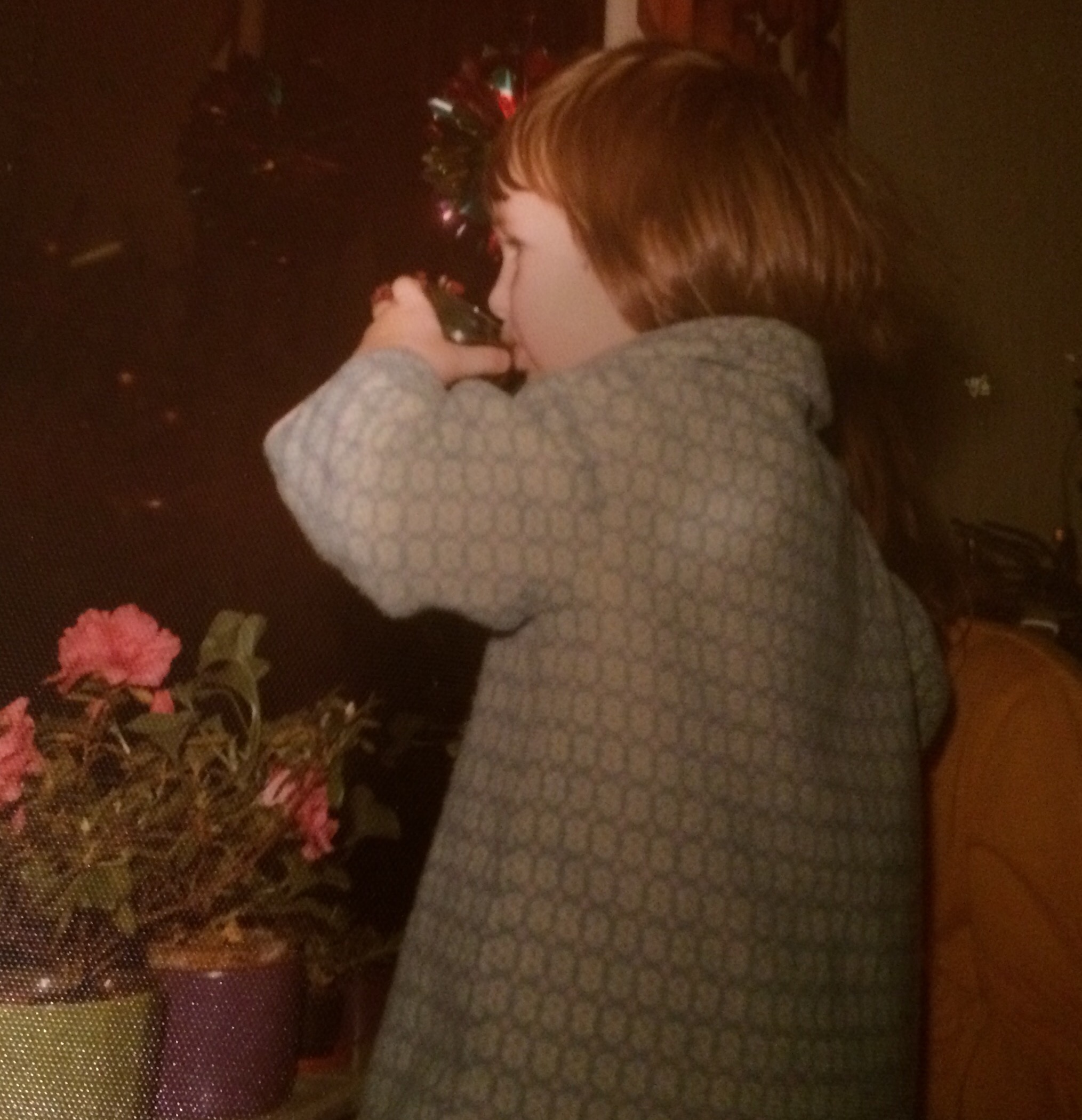
the author on New Year’s Eve, 1970s

There are many Bach cantatas for New Year’s Day, or the Feast of the Circumcision and naming of Jesus. Apart from the fourth cantata of the Christmas Oratorio I discuss here, those are: BWV 190 from 1724, BWV 41 from 1725, BWV 16 from 1726, and BWV 171 from 1729. They are all impressive, usually with trumpets and timpani in the orchestra, but rarely get performed anywhere. I hope that will change sometime.

Today is also the first Sunday after Christmas. If that day did not fall on Third Christmas Day, Bach would write a cantata for that too, as you can see in this overview. It means there is an overwhelming treasure trove of cantatas to choose from today.

The ones I like best are cantata 122 Das neugeborne Kindelein (for the first Sunday after Christmas in 1724) and the fourth cantata from the Christmas Oratorio Fallt mit Danken, fallt mit Loben (for New Year’s Day or the Feast of the Circumcision and naming of Jesus in 1735).

Listen to Herreweghe’s recording of cantata 122 Das neugeborne Kindelein on YouTube. It’s only 14 minutes long, but contains so many jewels. With soprano Vasiljka Jezovsek (stunning performance in the recitative), alto Sarah Connolly, tenor Mark Padmore, and bass Peter Kooij. I love every part of this cantata, but as a child I was most excited about the choruses: they still sounded like pretty Christmas music, but talked about the New Year!

Find the text of cantata 122 here, and the score here.

For Herreweghe’s interpretation of the 4th cantata from the Christmas Oratorio Fallt mit Danken, fallt mit Loben you have two options: There is a beautiful CD recording from 1989, which you can purchase here. Soloists on this recording are soprano Barbara Schlick, tenor Howard Crook, and bass Peter Kooij.

There is also a wonderful DVD recording from 2013, with soloists Dorothee Mields, countertenor Damien Guillon (not singing in part 4), tenor Thomas Hobbs, and bass Peter Kooij. I can highly recommend watching this. This DVD is available at ArkivMusic, Barnes and Noble, and can also be streamed on Amazon Prime.

Find the text of cantata 4 from the Christmas Oratorio here, and the score here.

I love this part of the Christmas Oratorio the best, because of the moving bass-soprano duet, the trio sonata disguised as a tenor aria with two violins, the famous echo-aria for soprano, and of course because it has horns in the orchestra! The presence of horns in the orchestra is the reason this cantata is often skipped in concert performances of the Christmas Oratorio. The entire oratorio is a bit too long for a regular concert program, there are no horns required in any of the other five parts, and natural horn players are expensive and hard to find, so presenters can save on production costs by not hiring any horn players at all.

By the way: Bach never intended for the Christmas Oratorio to be performed as a whole. He wrote each cantata for the six consecutive church Holidays in 1734/1735: First Christmas Day, Second Christmas Day, Third Christmas Day, New Year’s Day (or Feast of the Circumcision), Sunday after New Year, and Epiphany, and the separate cantatas were performed during the church services on those days. The music for the oratorio was largely based on existing choruses and arias from secular works. In this case of the fourth cantata, the opening chorus, soprano aria, and tenor aria all come from BWV 213 Laßt uns sorgen, laßt uns wachen aka Hercules at the Crossroads written in 1733 for the 11th Birthday of Prince Friedrich Christian, son of the Elector of Saxony.

I wish you a good 2017!

Wieneke Gorter, December 29, 2016, links updated December 28, 2019.

Recent Posts

  • “Missa Miniatura” by CONTINUUM/Elina Albach Even More Moving in 2025
  • Bachfest Leipzig 2025
  • Bach Cantatas for Christmas – 1724 and 1734 editions
  • Fourth Sunday of Advent – more insight into Cantata 62 helped me better understand Bach’s Christmas Oratorio
  • Saint Ambrose and Luther in Milan – Second Sunday of Advent

Archives

  • August 2025
  • July 2025
  • December 2024
  • November 2024
  • June 2024
  • January 2024
  • December 2023
  • October 2023
  • September 2023
  • August 2023
  • April 2022
  • February 2022
  • January 2022
  • December 2021
  • November 2021
  • June 2021
  • May 2021
  • April 2021
  • February 2021
  • January 2021
  • December 2020
  • November 2020
  • October 2020
  • September 2020
  • August 2020
  • July 2020
  • May 2020
  • April 2020
  • March 2020
  • February 2020
  • January 2020
  • December 2019
  • November 2019
  • May 2018
  • April 2018
  • March 2018
  • February 2018
  • January 2018
  • December 2017
  • November 2017
  • October 2017
  • September 2017
  • August 2017
  • July 2017
  • June 2017
  • May 2017
  • April 2017
  • March 2017
  • February 2017
  • January 2017
  • December 2016
  • November 2016
  • October 2016
  • September 2016
  • August 2016
  • July 2016
  • June 2016
  • May 2016
  • April 2016
  • March 2016
  • February 2016
  • January 2016

Enter your email address to follow this blog and receive notifications of new posts by email.

Join 338 other subscribers

Categories

  • 1723 Trinity season special series
  • Advent
  • After Easter
  • Ascension
  • Bach's life
  • Cantatas
  • Chorale cantatas 1724/1725
  • Christmas
  • Easter
  • Epiphany
  • Following Bach in 1725
  • Köthen
  • Leipzig
  • Septuagesima
  • Travel
  • Trinity
  • Weimar

Meta

  • Create account
  • Log in
  • Entries feed
  • Comments feed
  • WordPress.com

Website Built with WordPress.com.

  • Subscribe Subscribed
    • Weekly Cantata
    • Join 158 other subscribers
    • Already have a WordPress.com account? Log in now.
    • Weekly Cantata
    • Subscribe Subscribed
    • Sign up
    • Log in
    • Report this content
    • View site in Reader
    • Manage subscriptions
    • Collapse this bar
 

Loading Comments...