Weekly Cantata

Weekly Cantata

Tag Archives: J.S. Bach Stiftung

First countertenor loves (BWV 136 and 45 for Trinity 8)

02 Sunday Aug 2020

Posted by cantatasonmymind in Cantatas, Leipzig, Trinity

≈ Leave a comment

Tags

BWV 136, BWV 45, corno da tirarsi, Gérard Lesne, Gustav Leonhardt, Harnoncourt, J.S. Bach Foundation, J.S. Bach Stiftung, John Elwes, Kai Wessel, La Chapelle Royale, Leonhardt, Michael Chance, Paul Esswood, Peter Kooij, Philippe Herreweghe, Rene Jacobs
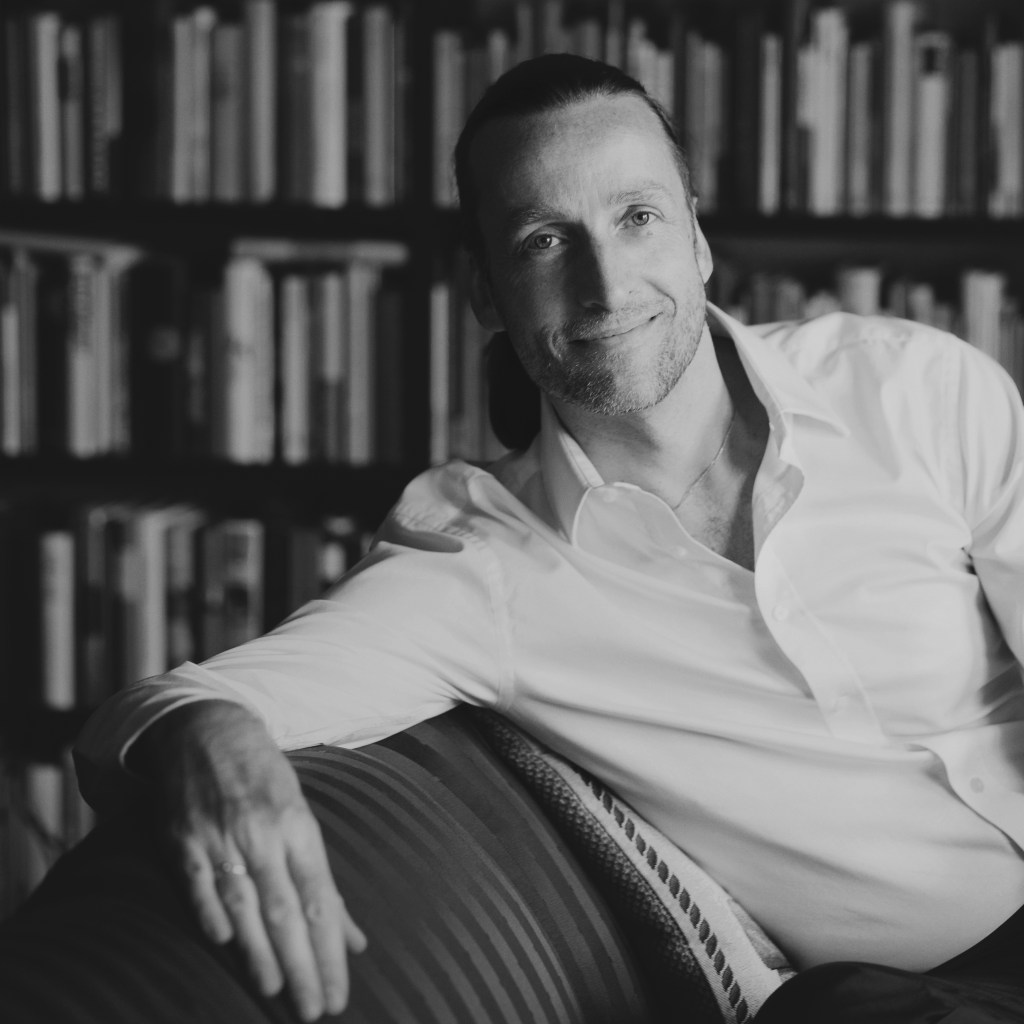
  • Kai Wessel
  • Gérard Lesne

Bach wrote three cantatas for this Sunday, and since my favorite recordings (for now)* of two of those feature my first and second countertenor loves, Gérard Lesne and Kai Wessel, I thought it might be nice to talk a bit about how I came to appreciate these singers.

Because I grew up listening to Bach cantatas from the cantata recording project by Leonhardt and Harnoncourt, hearing these every Sunday from when I was a small child, I was completely used to alto arias being sung by countertenors. I have become better at it, but sometimes I still feel as if I have to consciously switch something in my brain before I can listen to a female alto sing Bach and take it seriously.

However, none of the alto arias from that Leonhardt/Harnoncourt project (1970-1989), stayed with me the way many of the soprano, tenor, and bass arias did. The voices of René Jacobs or Paul Esswood just never blew me away nor did their singing truly move me. I remember enjoying Michael Chance’s singing on recordings of English Baroque composers and in the arias he sang in the live performance of Bach’s St. John Passion with Harnoncourt I mentioned in this post. But still, not blown away.

That all changed the summer of 1988 or 1989. Still a teenager, I had started volunteering for the Utrecht Early Music Festival in 1987. I did that for several years and then was on the summer staff for a few years as well, all this in the team that managed the Exhibition. The booth right around the corner from our own information booth was staffed by the best CD curator I’ve ever met, Joost. He went to all the concerts, and knew all the Early Music recordings, and I LOVED the recordings he recommended. It was through him that I learned about Gérard Lesne. The second or third year I was there, Joost was selling Lesne’s Vivaldi CD from 1988 to everyone with the words “Buy this. Listen to it. If you come back to me, look me in the eye, and can tell me without any sign of emotion that you didn’t like it, I’ll take it back.” (or, as he literally said in Dutch: “Als je me met droge ogen kunt vertellen dat je het niks vond, dan neem ik hem terug.”) I became a fan, and will never forget hearing Lesne live, singing Charpentier, in the Chapelle Royale of Versailles in the Holy Week of 1994.

Gérard Lesne is featured on a live audio recording from 1988 of Cantata 45 Es ist dir gesagt, Mensch, was gut ist which you can find here on YouTube. It is from a concert on October 25, 1988, in the Notre Dame du Travail church in Paris, by La Chapelle Royale (one of Herreweghe’s ensembles), conducted by Gustav Leonhardt. Other soloists are John Elwes, tenor; and Peter Kooij, bass.

Bach wrote this Cantata 45 in 1726 for the 8th Sunday after Trinity. Please find the score here, and the texts & translations here.

The Notre Dame du Travail church, in the Montparnasse neighborhood of Paris, where the 1988 concert took place

My blog post from 2016 about Cantata 136 Erforsche mich, Gott, und erfahre mein Herz spotlights my second countertenor love: Kai Wessel. His voice and interpretation was nothing short of a sensation for me when Ton Koopman’s recording of Bach’s St. Matthew Passion came out in 1993. That a countertenor could also have such a beautiful tenor quality to his voice was new to me, and I found his singing incredibly moving. Thanks to this, I gained new appreciation for the “Erbarme dich” aria. Because of Kai Wessel singing the alto aria, the Bach Collegium Japan recording I recommended in 2016 is still my favorite interpretation of Cantata 136, though the live performance by the J.S. Bach Foundation from 2011 is very well done too, and that video is exciting because you can see the corno da tirarsi** in action in the amazing opening chorus.

Wieneke Gorter, August 2, 2020.

*This might change soon, because Herreweghe recorded this cantata program, including BWV 45, at the end of January 2020. I will let you know when this recording comes out. It is the first time they have recorded BWV 45 and 118, and I can’t wait to hear Alex Potter in BWV 198, and look forward to hearing BWV 78 with Dorothee Mields and Alex Potter in the famous duet, and Thomas Hobbs in the gorgeous but often overlooked tenor aria.

**to read more about the corno da tirarsi, and to see a picture of the instrument, go to this blog post from November 2019.

Alex Potter and Julia Doyle – 6th Sunday after Trinity

17 Friday Jul 2020

Posted by cantatasonmymind in 1723 Trinity season special series, Cantatas, Chorale cantatas 1724/1725, Leipzig

≈ Leave a comment

Tags

1723, 1724, 1726, Alex Potter, All of Bach, Amandine Beyer, BWV 170, BWV 9, Charles Daniels, J.S. Bach Foundation, J.S. Bach Stiftung, Julia Doyle, Leo van Doeselaar, Marc Hantaï, Netherlands Bach Society, Rudolf Lutz, Trinity 6

soprano Julia Doyle, photo by Louise O’Dwyer

In my opinion, one of the absolute best background videos on AllofBach is the one in which countertenor Alex Potter explains the different layers of solo cantata 170 Vergnügte Ruh, beliebte Seelenlust from 1726. I remember how happy and impressed I was when I first found this video. So instead of offering you my own discussion, I suggest you watch Alex Potter’s here on YouTube.

Then watch the excellent and moving live performance of this cantata by Alex Potter with the Netherlands Bach Society here on YouTube.

A lot more information, including the German text with English translations, a list of all participating instrumentalists, the staff that made this beautiful document possible, and a short but insightful interview (in text only) with organist Leo van Doeselaar, can be found here on AllofBach.

Bach’s first two cycles in Leipzig didn’t include a cantata for this Sunday (the 6th after Trinity). My speculations for why this might have happened in 1723 are mentioned in this blog post. For 1724, it is very likely that Bach never wrote a cantata that year for this Sunday. Because later in his life, Bach most probably wrote Cantata 9 Es ist das Heil uns kommen her for this moment in the church year, in an effort to fill the gaps within his 1724/1725 chorale cantata cycle.

There’s a wonderful live performance of Cantata 9 on YouTube, by the J.S. Bach Foundation under direction of Rudolf Lutz. Watch it here. My favorite part of this cantata is the glorious duet Herr, du siehst statt guter Werke, beautifully sung by soprano Julia Doyle and alto Alex Potter. I love how well their voices and singing style match for this! This performance also features exquisite music-making by flutist Marc Hantaï, violinist Amandine Beyer, and tenor Charles Daniels.

Wieneke Gorter, July 17, 2020.

The one that’s never discussed here

10 Friday Jul 2020

Posted by cantatasonmymind in Cantatas, Chorale cantatas 1724/1725, Leipzig

≈ Leave a comment

Tags

BWV 93, J.S. Bach Foundation, J.S. Bach Stiftung, Jan Börner, Julius Pfeifer, Markus Volpert, Miriam Feuersinger, Philippe Herreweghe, Rudolf Lutz, Schübler

Cantata 93 Wer nur den lieben Gott lässt walten from 1724 is one of my favorite Bach cantatas, but because this one always falls in the summer vacation, I have never actually discussed it. I don’t have time to get into it this year either, but I have some interesting links for you.

In July 2017, I shared my favorite recording (Herreweghe) of this cantata along with some pictures of Greece where I was at the time. You can find that post here. Update: one day after I posted this, the J.S. Bach Foundation Made their full-length video of this cantata available on YouTube, and it’s a very good one. You can find it here: https://youtu.be/in5XDlJnrB8

Bach recycled the most splendid movement from this cantata, the soprano-alto duet, into one of his “Schübler Chorales” for organ. How exactly that works, you can read in my post from February 2018.

And if you understand a little German, watch Rudolf Lutz of the J.S. Bach Foundation explain everything about this Cantata 93 in this workshop on YouTube.

Wieneke Gorter, July 10, 2020, updated July 19, 2020.

Blessings during a crisis

24 Sunday May 2020

Posted by cantatasonmymind in After Easter, Cantatas, Leipzig

≈ Leave a comment

Tags

BWV 106, BWV 183, BWV 4, bwv 44, Exaudi, J.S. Bach Foundation, J.S. Bach Stiftung, Les Arts Florissants, Luc Barrière, Rudolf Lutz

French Alps at La Clusaz, photo by Luc Barrière.

In an effort to share some more personal thoughts with you, this has become quite a long post. If you prefer not to read it and go straight to the cantatas for this Exaudi Sunday, you can find my post about cantatas 44 and 183 here. It is a story with a wealth of information, gorgeous soprano arias, and recommendations for top-notch recordings. But since there’s always more to learn, I wanted to give some attention to Rudolf Lutz’ English spoken lecture about these cantatas. Find the link at the end of this post.

Over the past several months, while we’ve all been dealing with this global health crisis, I have often felt overwhelmed. Overwhelmed by piles of dishes, by potentially life changing decisions, by not knowing what my role is supposed to be in this crisis, but also by musicians and music organizations. While one is telling me to watch this YouTube video–available this week only!, another invites me to join a lecture on Zoom– please submit your questions ahead of time, yet another is showing me that singing while masked actually sounds pretty good (even though their images scare the * out of me), but wait … there’s a live Facebook Event STARTING NOW!

I understand the reasons behind it. An urge to share music with others, so strong they need to answer it or go insane. A fear of being forgotten by their patrons and thus losing even more income. Creative minds that keep exploring new possibilities. I also understand that there are probably millions of people for whom concert-going was their weekly bread, and that they are all eating this up. But it doesn’t calm me down.

My soul has been soothed much more by the images of sour dough rising, vegetable gardens being planned, blooming gardens, and nature. Two Instagram accounts I have especially enjoyed are those of Les Arts Florissants, who have been posting a wealth of pictures of William Christie’s gardens in France, and of Luc Barrière, a concert photographer who left Paris for the Alps before the strict lockdown happened in France. Yes, I know these are privileged people, and everyone can think of their living situations what they want. To me personally, these two accounts have given me examples of people taking care of themselves and slowing down, and that inspires me and calms me.

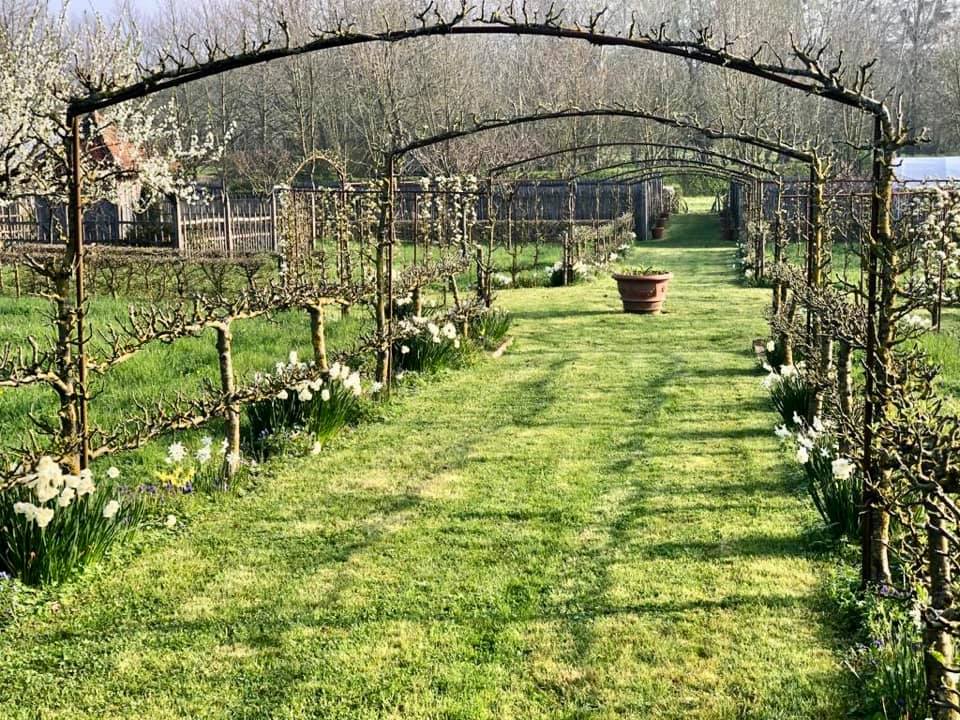
William Christie’s garden in Thiré, France, on March 28, 2020. Photo from Les Arts Florissants Facebook page.

Of course stress is not caused by the acts of other people, but by your own reaction to these acts, and fortunately most of the live streams can be watched again at a later time. So I have watched some of them at my own pace (while doing those dishes, folding laundry, or cleaning vegetables) and have realized that amidst the overwhelm there are blessings, because every now and then something new and marvelous emerges that would not have happened without this crisis.

For me, the absolute best example of this has been the series of “one man shows” by Rudolf Lutz, the artistic director of the J.S Bach Foundation in Switzerland. Every month, on the day his choir and orchestra would otherwise have given a concert for an audience, recorded live on video, he has live streamed an excellent and very witty lecture about that same cantata, brilliantly combined with organ improvisations on the music in the cantata, and the meaning behind the cantata. Without the crisis, his international online audience of Bach lovers would never have known what a talented improvisor he is. Without the crisis, he would never have held his lectures in English. (Until now his excellent cantata lectures were only accessible to German speakers, with only a handful of them subtitled in English).

Find Rudolf Lutz’ wonderful lecture/improvisation about Cantata 44 and 183 (from May 19) here. Find my blog post about these same cantatas (highlighting completely different aspects of the pieces!) here.

To learn more about Rudolf Lutz, read his bio here. Find his lecture/improvisation about Cantata 106 (from March 20) here, and about Cantata 4 (from April 17) here.

Rudolf Lutz, artistic director of the J.S. Bach Foundation.

Wieneke Gorter, May 24, 2020.

Trombones and altos from heaven (a guide to BWV 2)

26 Thursday Mar 2020

Posted by cantatasonmymind in Bach's life, Cantatas, Chorale cantatas 1724/1725, Leipzig, Trinity

≈ Leave a comment

Tags

Alex Potter, BWV 12, BWV 135, BWV 172, BWV 18, BWV 182, BWV 2, BWV 20, BWV 21, BWV 7, chorale cantata, cornetto, Eduard van Hengel, Georg Poplutz, J.S. Bach Foundation, J.S. Bach Stiftung, Luther, Markus Volpert, Psalm 12, Renate Steinmann, Rudolf Lutz, Trinity 2, trombone

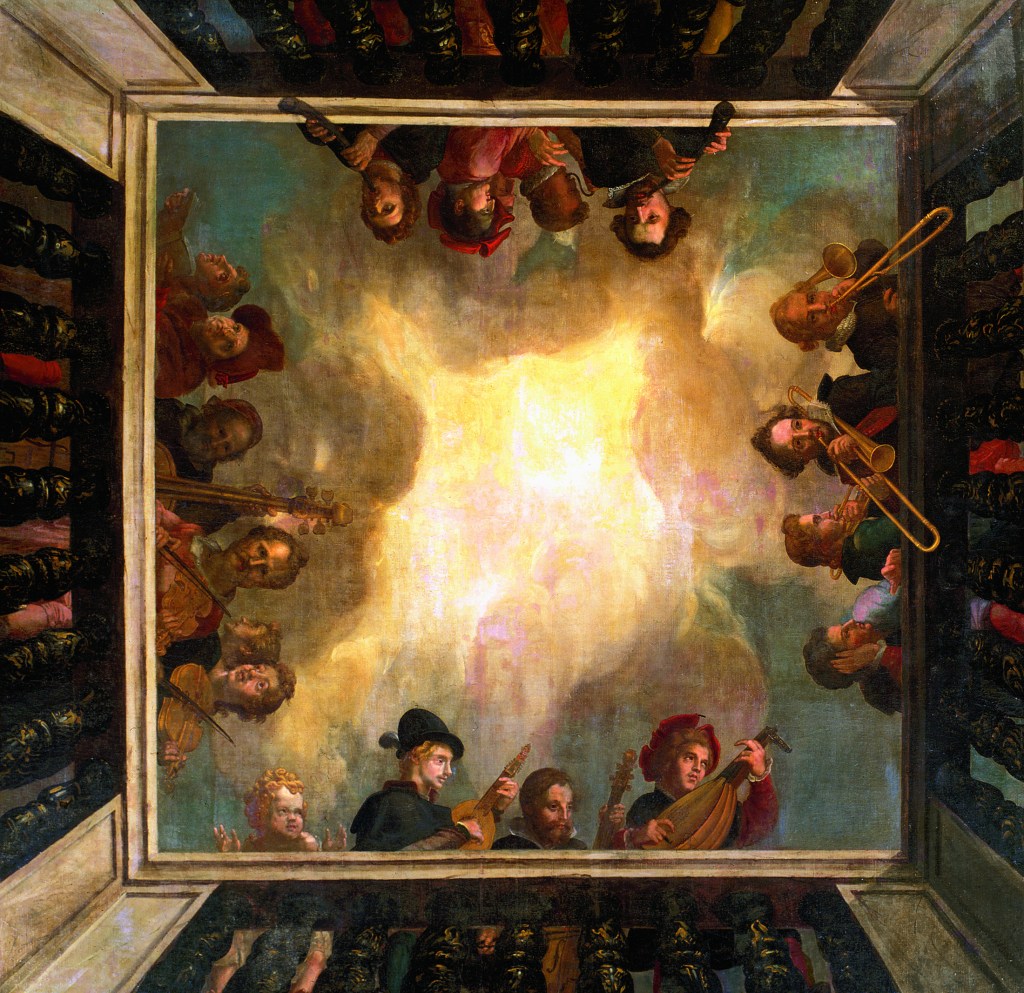
Ceiling painting installed around 1700 in Christian V’s Hall in Rosenborg Castle, Denmark. Possibly by Reinhold Timm, ca. 1620, originally for for a music pavilion in Kongens Have. *

Yesterday, Wednesday March 25, 2020, the J.S. Bach Foundation published their live video recording of Cantata 2 Ach Gott, vom Himmel sieh darein (Please God, look down from Heaven) on their YouTube channel. I thought it might be nice to provide a listening guide to go with this performance.

I love this cantata because it has trombones in the orchestra, doubling the choir parts, and because the altos have the cantus firmus (=they sing the chorale melody in long notes) in the opening chorus, which sounds incredibly good, and is unique within Bach’s writing.

Find the video recording by the J.S. Bach Foundation here on YouTube. Soloists are Alex Potter, alto; Georg Poplutz, tenor; and Markus Volpert, bass.

Find the German texts with English translations here, and the full score here.

This cantata was the second in Bach’s 1724 series of Chorale Cantatas. He most probably intended for the first four cantatas in that series to form a set, or at least to present some kind of order,  if you look at the composition form of the opening movement, and which voice has the cantus firmus of the chorale tune in that chorus:

  1. Cantata 20 O Ewigkeit, du Donnerwort: French Overture, with cantus firmus in the soprano (find my blog post about this cantata here)
  2. Cantata 2 Ach Gott, vom Himmel sieh darein: Chorale motet, cantus firmus in alto (the cantata discussed here)
  3. Cantata 7 Christ unser Herr zum Jordan kam: Italian concerto, cantus firmus in tenor. (find my blog post about this cantata here)
  4. Cantata 135 : Ach Herr, mich armen Sünder: Chorale fantasia, cantus firmus in bass. (find my blog post about this cantata here)

We know that Bach liked to use order and symmetry when he wanted to impress other people with a composition. But perhaps he was also thinking of his legacy. When he started composing cantatas at the Weimar court in 1714, albeit on a monthly instead of weekly basis, his first four cantatas formed a similar portfolio of composition styles in the opening choral movements:

  1. Cantata 182 Himmelskönig, sei wilkommen: Choral fugue
  2. Cantata 12 Weinen, klagen, sorgen, zagen: Passacaglia
  3. Cantata 172 Erschallet, ihr Lieder, erklinget, ihr Saiten!: Concerto
  4. Cantata 21 Ich hatte viel Bekümmernis: Motet.

Back to this Cantata 2 Ach Gott, vom Himmel sieh darein (Please God, look down from Heaven), and what to listen for.

Opening chorus:

The chorale, based on Psalm 12, is by Luther. For an idea what Luther’s original song would have sounded like, you can watch this video. For readers who understand German: Eduard van Hengel’s website (in Dutch) has a very insightful overview of the original German text of Psalm 12, the text of Luther’s chorale, and how Bach’s librettist changed that into the text for the cantata.  You can find it here.

When Bach uses a chorale by Luther in a cantata, he often demonstrates his reverence for the father of his faith by using the archaic form of chorale motet as opening chorus combined with the equally archaic trombone quartet (1 cornetto and 3 trombones) to double the choir parts.**

Giving the cantus firmus to the altos is however not something Bach does very often. If only he had! In this case it is especially wonderfully orchestrated, with doubling by one trombone, two oboes, and all second violins. Both on this video recording by the J.S. Bach Foundation as well on the Herreweghe audio recording I recommended back in 2017, Alex Potter’s voice significantly enhances this winning blend of alto voices and instruments, and on this J.S. Bach Foundation video recording he also sings the beautiful alto aria. It definitely made my day yesterday.

Alto aria:

Bach alto and tenor arias are at their prettiest, I find, when they are written as a trio sonata, and the alto aria Tilg, o Gott in this cantata is a beautiful example of that. Wonderful singing and playing by alto Alex Potter and violinist Renate Steinmann. The aria is a plea for help in fighting the “Rottengeister,” or the sectarians amidst the Lutherans. When the alto starts singing the word “Rottengeistern,” we realize we had heard this word already many times in the triplets of the violin part. As Eduard van Hengel says, it is the “popular easy talk of the sectarians, and that is also the reason why the other two parts don’t have this motive” [to further illustrate the schism].

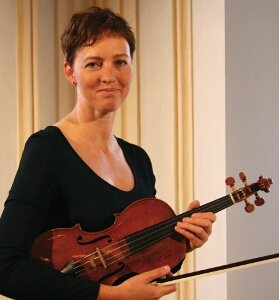
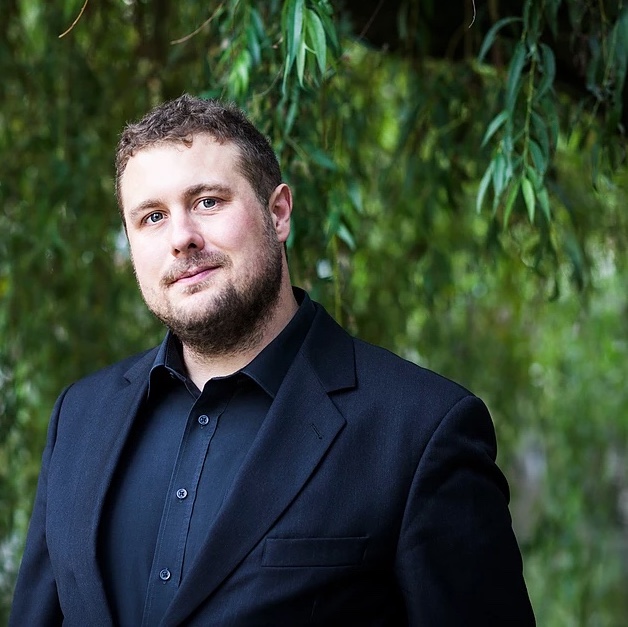
Renate Steinmann, violin and Alex Potter, alto. Photo of Alex Potter by Annelies van der Vegt.

Bass recitative:

Definitely keep the text & translations handy for this one, because this movement contains a wealth of text illustrations in the music. On the word Armen  (the poor) sounds a sorrowful diminished seventh, the word seufzend (sighing) has a rest/sigh in the middle of the word, and more such things happening on the words Ach (sighing) and Klagen (complaining). In contrast to this, a few lines later, the chord on the word Gott (God) sounds open and liberating, after which God himself gets to speak, and the music turns to an arioso (similarly to how Bach does that in his much earlier Cantata 18 when God speaks). At the word heller Sonnenschein (bright sunshine) the light gets turned on in the music too: the harmony changes to C Major.

Tenor aria:

Here we have arrived at the solution/salvation part of the cantata, and so this music is more pleasant, easier to listen to. But Bach is still preaching: there are some crossing (!) lines in the music, and in the middle section, which tells the listeners to be patient (sei geduldig) and Bach stresses the words Kreuz und Not.

With many thanks to Eduard van Hengel and Rudolf Lutz for their explanations of this cantata,

Wieneke Gorter, March 26, 2020.

*more information about this painting and the other objects in Christian V’s Hall in Rosenborg Castle can be found here.

**The best examples of this are cantatas 2, 25, 38, and 121.

Two Weimar cantatas for the fourth Sunday of Advent

21 Saturday Dec 2019

Posted by cantatasonmymind in Advent, Bach's life, Cantatas, Christmas, Leipzig, Weimar

≈ Leave a comment

Tags

Advent, Advent 4, Alfredo Bernardini, All of Bach, Bachvereniging, BWV 132, BWV 147, BWV 147a, Christmas, Dominik Wörner, Hana Blazikova, J.S. Bach Foundation, J.S. Bach Stiftung, Jakob Pilgram, Jan Kobow, Julia Doyle, Margot Oitzinger, Netherlands Bach Society, Rudolf Lutz, Tim Mead, Weimar, Wolf Matthias Friedrich

For the fourth Sunday of Advent, Bach wrote two cantatas in Weimar: Cantata 132 Bereitet die Wege, bereitet die Bahn in 1715, and Cantata 147a Herz und Mund und Tat und Leben in 1716.

Bach rewrote Cantata 147, the same way he did that with cantatas 70 and 186, into a cantata for another time of the year in Leipzig, in this case the feast of the Visitation on July 2, 1723. Read more about that here in my post from 2016. I have now updated that post with a link to the wonderful live performance of Cantata 147 by the J.S. Bach Foundation, with with Hana Blažiková, soprano; Margot Oitzinger, alto; Jakob Pilgram, tenor; and Wolf Matthias Friedrich, bass.

Cantata 132 was not transformed into a cantata for another time in the church year in Leipzig, so today’s performances of this cantata still reflect the Advent cantata from Weimar. Watch a beautiful live performance of this cantata by the Netherlands Bach Society here on YouTube. Soloists are Julia Doyle, soprano; Tim Mead, alto; Jan Kobow, tenor; and Dominik Wörner, bass.

Find the German text with English translations here, and the score here.

As I already pointed out in my Advent Calendar earlier this week, the text of the joyful opening aria refers to the story of John the Baptist, who was believed to have come to prepare the way for Jesus, and includes the Isaiah quote as it appears in the scripture: “Messias kömmt an!” (The Messiah is coming). Bach gives this text to the soprano three times, and to give it extra emphasis, each time omits all instrumental accompaniment on those three words.

The rest of the cantata stays close to the story of John the Baptist. The bass aria refers to the Pharisees interrogating John, but then Bach’s text writer (Salomo Franck, who was also the Weimar court librarian) projects the question “Wer bist du?” (Who are you?) onto the believer: ask your conscience: are you a true person or a false person?

As a child, I was enormously impressed by this bass aria, even more than by the wonderful soprano aria at the beginning of the piece. I loved how Max van Egmond sings the “Wer bist du?” text on the Leonhardt recording from 1983. You can find that recording, and read more about those childhood memories, in this blog post from 2016. I had no idea at the time that in those very cool opening notes Bach is quoting this organ piece by Buxtehude. I only learned that this week, by watching the “extra videos” the Netherlands Bach Society provides along with their live recordings on All of Bach.

If you are not following this blog yet, please consider signing up (on the left of this text if you are on a desktop computer, at the bottom of this post when you are reading on a smartphone). This way you won’t miss any posts about the many cantatas Bach wrote for all three Christmas Days (yes there were three in his time), New Year’s Day, and the Sundays after those feast days.

Wieneke Gorter, December 21, 2019.

Second Sunday of Advent

07 Saturday Dec 2019

Posted by cantatasonmymind in Advent, Bach's life, Cantatas, Leipzig, Weimar

≈ Leave a comment

Tags

Advent 2, BWV 70, J.S. Bach Foundation, J.S. Bach Stiftung

Tomorrow is the second Sunday of Advent.

When Bach worked in Weimar, he wrote a cantata for each of the 4 Sundays in Advent. However in Leipzig, music (other than chorale singing) was not allowed in the churches in the period between the first Sunday of Advent and Christmas Day. In order to still use (and show off?) the Weimar Advent cantatas in Leipzig he reworked and expanded most of them for other times of the church year in Leipzig.

He truly mastered this rewriting process with cantata 70, Wachet! betet! betet! wachet!, originally written for 2nd Advent in Weimar in 1716, but now dramatically expanded for the 26th Sunday after Trinity, November 21, 1723. 

Read much more about the reworking process and about this particular cantata in this Weekly Cantata post from 2016, which now includes a new link to the excellent live video performance by the J.S. Bach Foundation.  

Wieneke Gorter, December 7, 2019.

Bonus Advent cantata

10 Sunday Dec 2017

Posted by cantatasonmymind in Advent, Cantatas, Leipzig

≈ Leave a comment

Tags

1st Sunday of Advent, Advent, Bach, BWV 36, Christmas, Christoph Pregardien, Collegium Vocale Gent, J.S. Bach Foundation, J.S. Bach Stiftung, Nuria Rial, Peter Kooy, Phlippe Herreweghe, Sarah Connolly, Sybilla Rubens

Nuria Rial, my favorite interpreter of the soprano aria from Cantata 36.

In Leipzig in Bach’s time, the period between the first Sunday of Advent and Christmas was a “tempus clausum,” when no figural music was allowed in the churches. So if I would follow Bach’s cantata writing in 1724 very strictly, I would not have any music for you today.

So let’s take a detour to 1725. Sometime in that year, Bach wrote a congratulatory cantata for a teacher at the St. Thomas School in Leipzig. The cantata, with the title Schwingt freudig euch empor, had nine movements: an opening chorus, four recitatives and three arias. The cantata also featured a closing chorus alternated with recitatives for all the soloists, the way Bach would also use that in the before-last movement of his St. Matthew Passion. For the text of this cantata, please see this entry on Eduard van Hengel’s website. Scroll all the way down to find a table with all the different texts for the different cantatas.

In the fall of 1726, Bach received a request from his previous employer, prince Leopold of Köthen, to write a cantata for this birthday of his second wife, princess Charlotte Friederike Wilhelmine, on November 26 of that year. Scholars think that at the same time Bach was reworking this cantata from 1725 into this Birthday cantata, he was also reworking it into an Advent cantata. However the music of that particular cantata has not survived.

In 1731 Bach again, or finally, was able to make the original of 1725 into an Advent cantata, by replacing all the recitatives with chorales. This is cantata 36 Schwingt freudig euch empor, one of three cantatas for the first Sunday of Advent that have survived. (The other two are Cantata 61 I discussed last year, and Cantata 62 I discussed last week). Again please see Eduard van Hengel’s table of the different texts of all the various cantatas here. Find the English translations of Cantata 36 here, and find the score of Cantata 36 here.

My favorite recording of the entire cantata is the one by Herreweghe from 1997 (from the same album I discussed last week). I like this recording the best because of the most sparkling interpretation of the opening chorus, gorgeous singing by Christoph Prégardien in the tenor solos and by Peter Kooy in the bass aria, and a wonderful soprano/alto duet by Sybilla Rubens and Sarah Connolly. Find this recording here on YouTube. Or follow the links in my post from last week to purchase the entire album of Advent cantatas by Herreweghe. It is a great Christmas gift 🙂 !

If you prefer to watch a live recording, I recommend the one by the J.S. Bach Foundation. They just released the entire video recording of this cantata this week, and this performance contains my absolute favorite interpretation of the soprano aria by Nuria Rial.

Wieneke Gorter, December 9, 2017, links updated and photo added December 3, 2019.

Newer posts →

Recent Posts

  • “Missa Miniatura” by CONTINUUM/Elina Albach Even More Moving in 2025
  • Bachfest Leipzig 2025
  • Bach Cantatas for Christmas – 1724 and 1734 editions
  • Fourth Sunday of Advent – more insight into Cantata 62 helped me better understand Bach’s Christmas Oratorio
  • Saint Ambrose and Luther in Milan – Second Sunday of Advent

Archives

  • August 2025
  • July 2025
  • December 2024
  • November 2024
  • June 2024
  • January 2024
  • December 2023
  • October 2023
  • September 2023
  • August 2023
  • April 2022
  • February 2022
  • January 2022
  • December 2021
  • November 2021
  • June 2021
  • May 2021
  • April 2021
  • February 2021
  • January 2021
  • December 2020
  • November 2020
  • October 2020
  • September 2020
  • August 2020
  • July 2020
  • May 2020
  • April 2020
  • March 2020
  • February 2020
  • January 2020
  • December 2019
  • November 2019
  • May 2018
  • April 2018
  • March 2018
  • February 2018
  • January 2018
  • December 2017
  • November 2017
  • October 2017
  • September 2017
  • August 2017
  • July 2017
  • June 2017
  • May 2017
  • April 2017
  • March 2017
  • February 2017
  • January 2017
  • December 2016
  • November 2016
  • October 2016
  • September 2016
  • August 2016
  • July 2016
  • June 2016
  • May 2016
  • April 2016
  • March 2016
  • February 2016
  • January 2016

Enter your email address to follow this blog and receive notifications of new posts by email.

Join 338 other subscribers

Categories

  • 1723 Trinity season special series
  • Advent
  • After Easter
  • Ascension
  • Bach's life
  • Cantatas
  • Chorale cantatas 1724/1725
  • Christmas
  • Easter
  • Epiphany
  • Following Bach in 1725
  • Köthen
  • Leipzig
  • Septuagesima
  • Travel
  • Trinity
  • Weimar

Meta

  • Create account
  • Log in
  • Entries feed
  • Comments feed
  • WordPress.com

Website Built with WordPress.com.

  • Subscribe Subscribed
    • Weekly Cantata
    • Join 158 other subscribers
    • Already have a WordPress.com account? Log in now.
    • Weekly Cantata
    • Subscribe Subscribed
    • Sign up
    • Log in
    • Report this content
    • View site in Reader
    • Manage subscriptions
    • Collapse this bar
 

Loading Comments...