
Tags
Ana Inés Feola, Andreas Helm, Anneke Scott, Bach Akademie Stuttgart, Bernhard Schrammek, BWV 109, BWV 162, BWV 190, BWV 40, BWV 48, BWV 60, BWV 63, BWV 64, BWV 70, BWV 88, BWV 89, BWV 90, Gaechinger Cantorey, Giuseppe Ciraso-Cali, Györgyi Farkas, Hans-Christoph Rademann, J.S. Bach Foundation, J.S. Bach Stiftung, Joseph Crouch, Julia Raasch, Kerstin Kemp, Marie Henriette Reinhold, Michael Maul, Nuria Rial, St. Thomas Choir, Thomaner, Tobias Berndt, Trinity 22
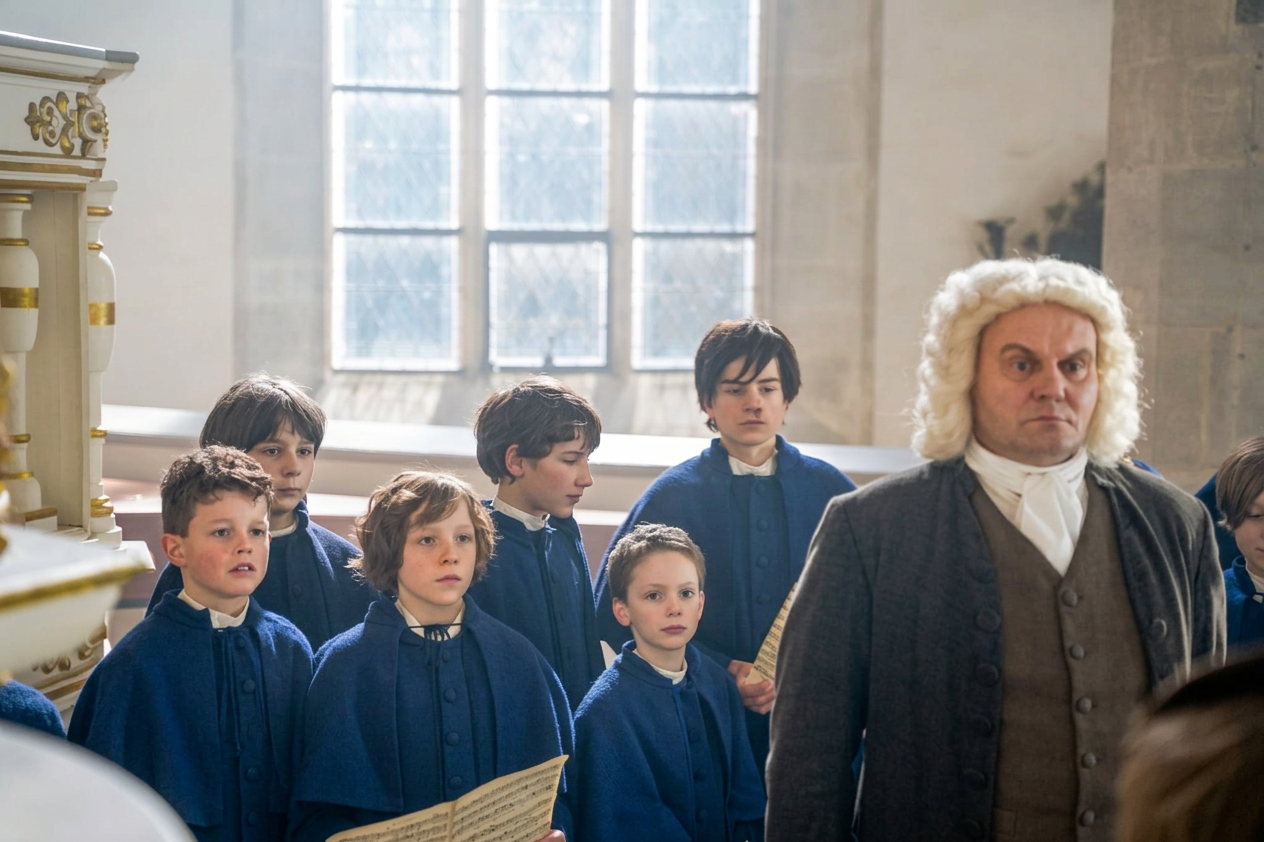
Ten years ago I published the ultimate NON-post about Cantata 89 Was soll ich aus dir machen, Ephraim? because I had little time that week. So I feel today is a good occasion to travel back to October 24, 1723 (Trinity 22) in Leipzig, and go into movie script mode again.
My favorite recording overall of Cantata 89 Was soll ich aus dir machen, Ephraim? is the one by Bach Akademie Stuttgart under the direction of Hans-Christoph Rademann from their Vision Bach series, volume 4. Find it here on Youtube, or here on Spotify. Find the German texts with English translations here, and the score here.
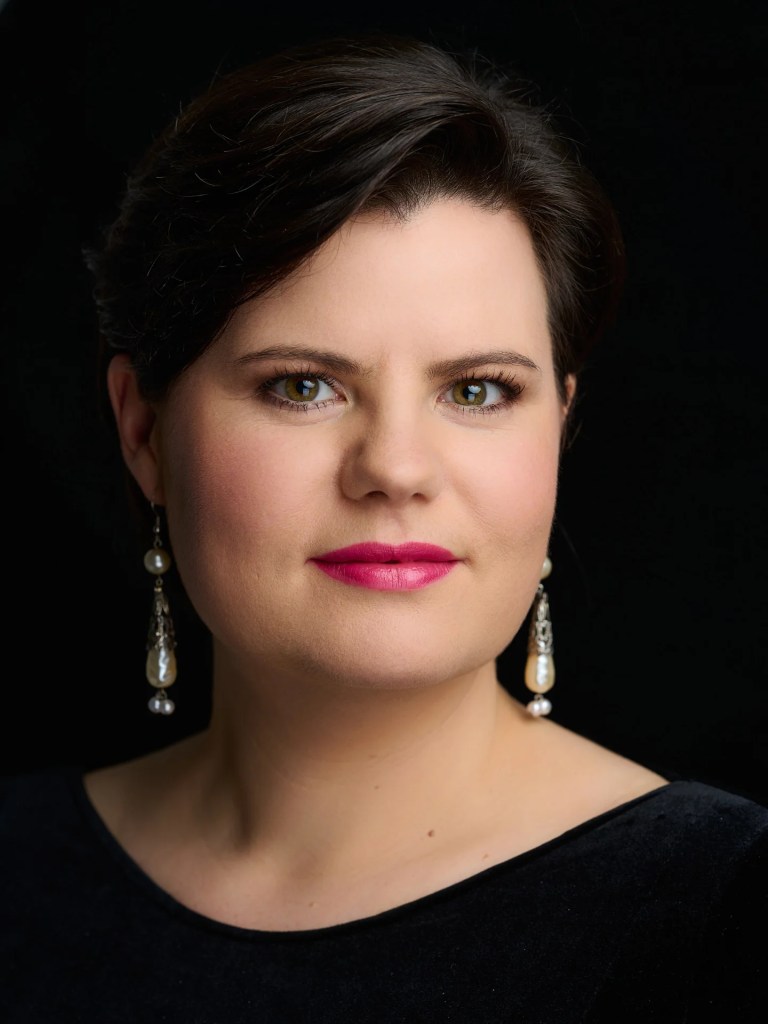
Just as two weeks ago in Cantata 162, it’s the opening movement that touches me the most, thanks to the same personnel as two weeks ago. Tobias Berndt’s singing is fabulous, and Anneke Scott’s corno da tirarsi cuts through the rest of the orchestra sound so much better than the “regular” natural horn most ensembles use for this cantata. And let’s not forget oboists Andreas Helm and Ana Inés Feola, who play all the “sighs” in this opening movement so beautifully. The alto solos by Marie Henriette Reinhold are also fantastic, especially with this unparalleled continuo group accompanying her: Györgyi Farkas, basssoon; Joseph Crouch, cello; Giuseppe Ciraso-Cali, double bass; and Julia Raasch, organ. They do a terrific job illustrating the grim tone of the alto aria’s text.
All this being said, I would like to add that for the soprano aria, I still love the J.S. Bach Foundation recording the best, with soprano Nuria Rial and oboist Kerstin Kramp almost dancing out of the church, so gloriously do they perform that movement.
God’s Voice in the opening movement – only one other cantata has this too.
Cantata 89 is an unusual cantata, because it starts with a Bible quote where God himself is speaking. Within Bach’s oeuvre, there are several cantatas that start with a solo bass singing literal words from the Bible as spoken by Jesus, but, as far as I know, there is only one other cantata (Cantata 88, written for July 21, 1726**) that starts with a solo bass singing God’s words.
So, now the question is: is there no choir singing in the opening movement of this cantata because Bach thought it inappropriate to give God’s words to more than one voice? Or did Bach instruct his librettist that he needed text for a solo singer, because, similar to two weeks ago for Cantata 162, he wanted to give the choir a break? Keep reading to learn why I think it’s the latter.
Michael Maul: “Perhaps Bach simply wanted to give the choir a little breather”
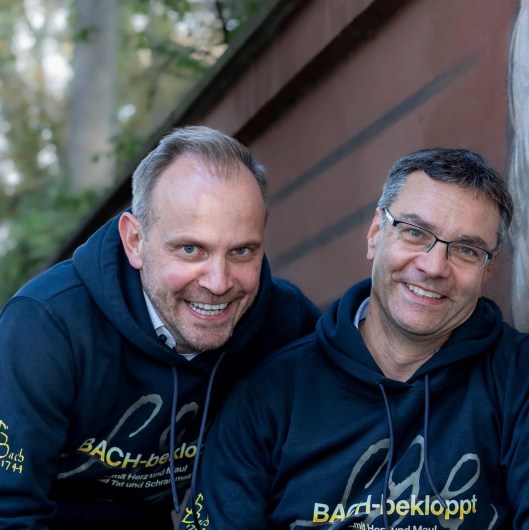
This past week, when doing research for this cantata, I became intrigued by something Michael Maul says in his and Bernhard Schrammek’s podcast from November 5, 2023. He explains that in Bach’s first four months in Leipzig, in 1723, he hadn’t spared any singers or instrumentalists. Opening choruses had been extensive and demanding, and solo instrumentalists had been given virtuoso parts to play in arias. Maul remarks that this changed suddenly in October of that year, when Bach started to alternate elaborate cantatas (the norm from June through September, 1723) with compositions for a smaller orchestra with only a few solo voices. For those smaller cantatas, he needed the choir only in the closing chorale.
I thought it would be helpful to see an overview of this. So, as far as we know now, here is what Bach’s performance schedule looked like for the months of October and November, 1723. The three cantatas with opening chorus in bold, the remaining four are smaller scale. Cantata 70 was an extra-long cantata including a demanding opening chorus and two chorales. Bach had already written that cantata’s opening chorus in Weimar.
October 3 (19th Sunday after Trinity): Cantata 48 Ich elender Mensch, wer wird mich erlösen
October 10 (20th Sunday after Trinity): Cantata 162 Ach! ich sehe, itzt, da ich zur Hochzeit gehe
October 17 (21st Sunday after Trinity): Cantata 109 Ich glaube, lieber Herr, hilf meinem Unglauben!
October 24 (22nd Sunday after Trinity): Cantata 89 Was soll ich aus dir machen, Ephraim?
October 31 (Reformation Day): We don’t know what was performed on this day.
November 7 (24th Sunday after Trinity): Cantata 60 O Ewigkeit, du Donnerwort!
November 14 (25th Sunday after Trinity): Cantata 90 Es reißet euch ein schrecklich Ende
November 21 (26th Sunday after Trinity): Cantata 70 Wachet! betet! betet! wachet!
In his German-spoken podcast, Maul says:
“I can’t give a specific reason—maybe there was some other event happening at the same time that put a strain on St. Thomas’ singers. Maybe there was also a high rate of sick leave. Perhaps Bach simply wanted—based on the experience he’d gained in the first few months—to give the choir a little breather […] before things really kicked into high gear for the Christmas season, so to speak. Because it was clear that it would be musically very demanding.” [translated by Deepl and me].
Time for another overview. This would be Christmas season 1723/1724 for Bach’s choir. Yes, all in bold, because it’s back to normal by that time, all these are elaborate cantatas with opening choruses.
Christmas Day: Cantata 63 Christen, ätzet diesen Tag (originally from Weimar) and a new Magnificat
Second Christmas Day: Cantata 40 Dazu ist erschienen der Sohn Gottes
Third Christmas Day: Cantata 64 Sehet, welch eine Liebe hat uns der Vater erzeiget. New Year’s Day 1724: Cantata 190 Singet dem Herrn ein neues Lied
While Bach would likely not have conceived the specific cantatas for Second and Third Christmas Day already in October, he might very well already have been writing or at least thinking about the Magnificat, and would have been planning to perform an elaborate cantata on each Christmas Day. If you have ever sung Bach’s Magnificat as a choral singer, you know it is an extremely challenging piece, up there with the trickiest parts of Bach’s Mass in B Minor.
So here’s my possible movie scenario: At a choir rehearsal at the end of September or beginning of October, Bach hands some vocal parts from his own music library to the choir boys. On one of them the text reads “Wachet! Betet!” and on the other “Christen, ätzet diesen Tag.” Maybe there’s even one that says “Gloria Patri.” Only half of the choir is there, the others are sick. There’s scarlet fever going around. The rehearsal is a bit of a disaster, and Bach realizes it will take some time to get this all together.
Other cantatas for this Sunday: Cantata 115 Mache dich, mein Geist, bereit, a chorale cantata from 1724, about which I wrote in 2017 and 2019; and Cantata 55 Ich armer Mensch, ich Sündenknecht, a solo cantata for tenor from 1726. I have never written about that cantata, but I recommend the Gardiner recording with tenor James Gilchrist.
I would love it if you would share this article with a friend! Thank you! Not an email subscriber yet? You can sign up below. I won’t use your email address for anything else.
© Wieneke Gorter, October 31, 2026.
*If you’re interested in watching this movie and are not in Germany, you’ll need a VPN, since it is only available in the ARD Mediathek. The movie has nothing to do with the content of this blog post! I just used one of their photos because it accuratly depicts the choir boys’ and Bach’s clothing. I could write an entire blog post about several strange choices in the script, but it’s a sweet story and it includes good music performed by the St. Thomas Choir, St. Thomas organist Johannes Lang, soprano Miriam Feuersinger, and Continuum Berlin. The movie is supposed to be set in Leipzig, but was mostly filmed at the Dom in Merseburg, and a bit in Weimar as well.
**Cantata numbers were assigned in the19th century by the Bachgesellschaft and do not correspond with the order in which Bach wrote the compositions.

