Weekly Cantata

Weekly Cantata

Monthly Archives: October 2026

Giving the Choir a Breather? – Cantata 89 for Trinity 22

31 Saturday Oct 2026

Posted by cantatasonmymind in 1723 Trinity season special series, Bach's life, Cantatas, Christmas, Leipzig, Weimar

≈ Leave a comment

Tags

Ana Inés Feola, Andreas Helm, Anneke Scott, Bach Akademie Stuttgart, Bernhard Schrammek, BWV 109, BWV 162, BWV 190, BWV 40, BWV 48, BWV 60, BWV 63, BWV 64, BWV 70, BWV 88, BWV 89, BWV 90, Gaechinger Cantorey, Giuseppe Ciraso-Cali, Györgyi Farkas, Hans-Christoph Rademann, J.S. Bach Foundation, J.S. Bach Stiftung, Joseph Crouch, Julia Raasch, Kerstin Kemp, Marie Henriette Reinhold, Michael Maul, Nuria Rial, St. Thomas Choir, Thomaner, Tobias Berndt, Trinity 22
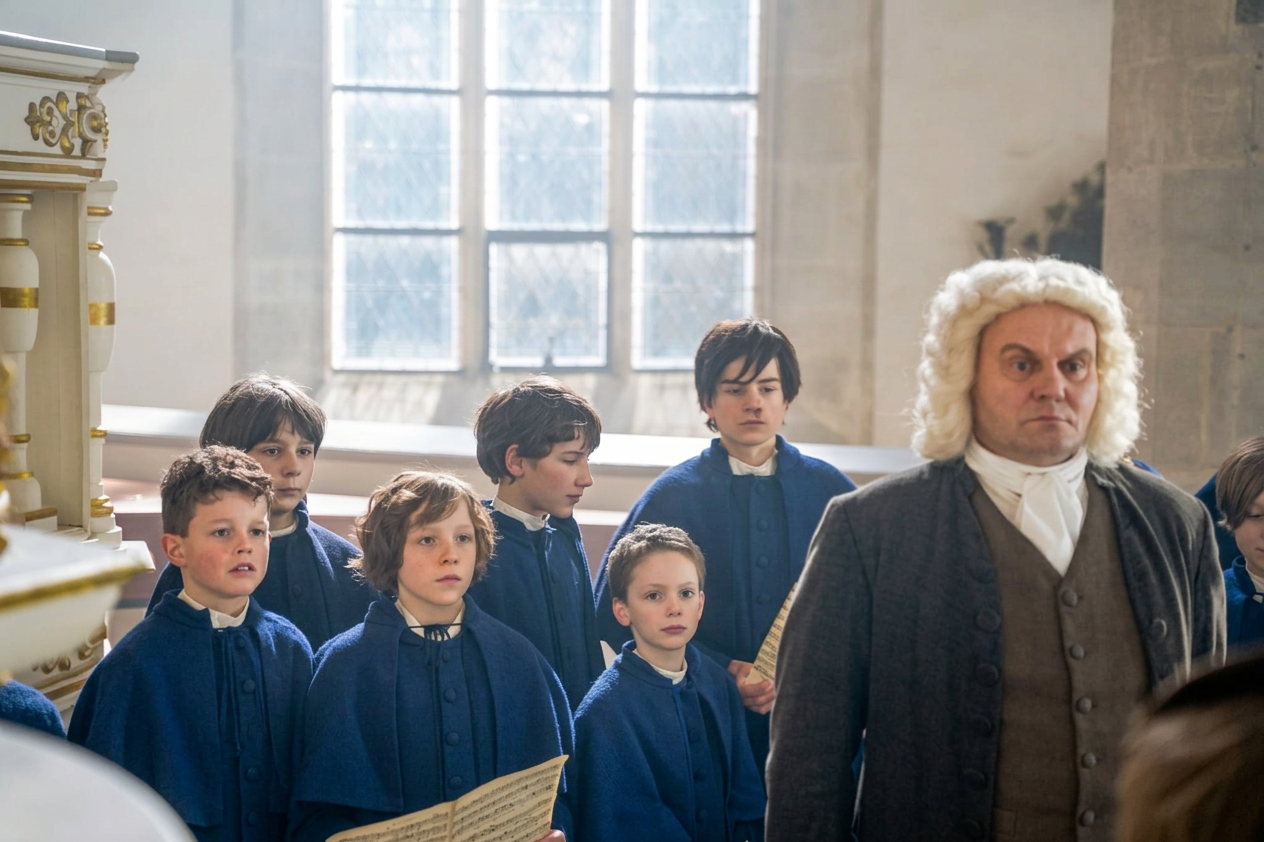
Boys of St. Thomas Choir with actor Devid Striesow as J.S. Bach during the filming of “Bach – Ein Weihnachtswinder” (Bach – A Christmas Miracle), a movie that came out in Germany in December 2024*. The tall boy in the back has a smudge under his nose because in the previous scene he got into a fight with the St. Nicholas choir boys. Photo from St. Thomas Choir’s website.

Ten years ago I published the ultimate NON-post about Cantata 89 Was soll ich aus dir machen, Ephraim? because I had little time that week. So I feel today is a good occasion to travel back to October 24, 1723 (Trinity 22) in Leipzig, and go into movie script mode again.

My favorite recording overall of Cantata 89 Was soll ich aus dir machen, Ephraim? is the one by Bach Akademie Stuttgart under the direction of Hans-Christoph Rademann from their Vision Bach series, volume 4. Find it here on Youtube, or here on Spotify. Find the German texts with English translations here, and the score here.
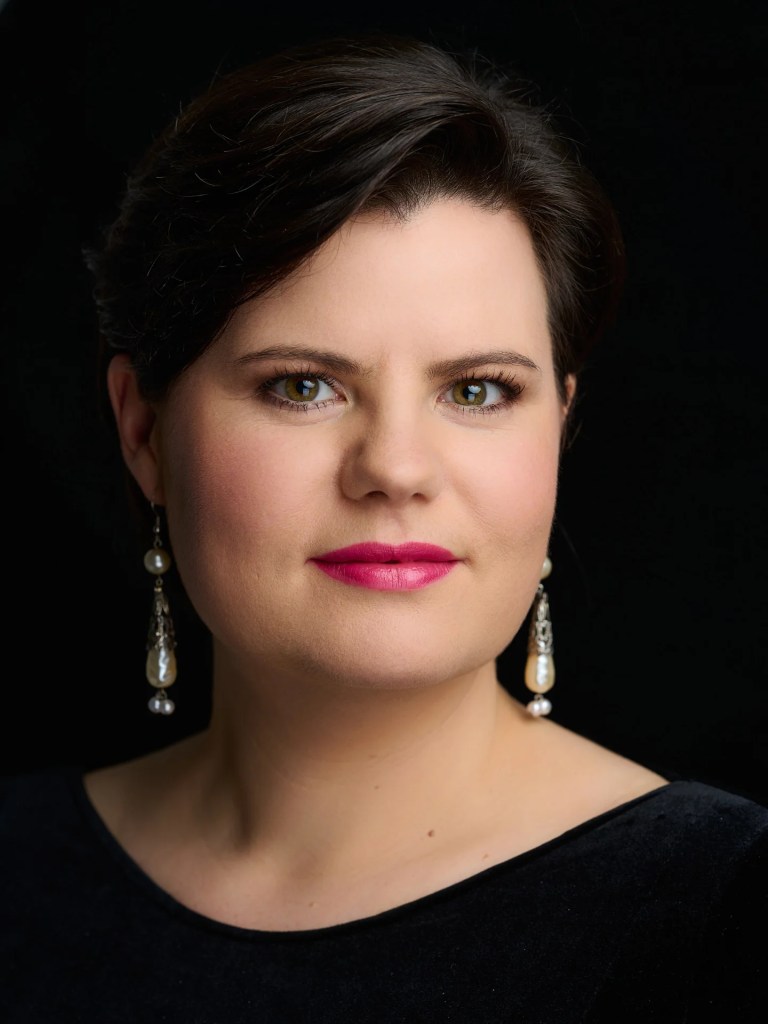
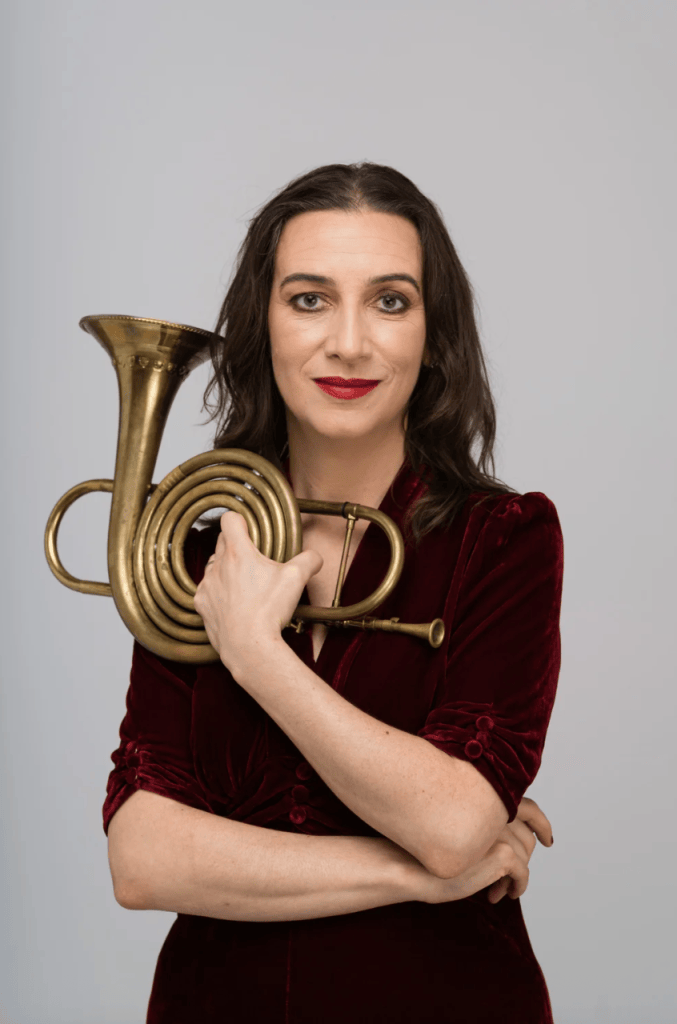
Marie Henriette Reinhold. Photo by Christian Palm.

Just as two weeks ago in Cantata 162, it’s the opening movement that touches me the most, thanks to the same personnel as two weeks ago. Tobias Berndt’s singing is fabulous, and Anneke Scott’s corno da tirarsi cuts through the rest of the orchestra sound so much better than the “regular” natural horn most ensembles use for this cantata. And let’s not forget oboists Andreas Helm and Ana Inés Feola, who play all the “sighs” in this opening movement so beautifully. The alto solos by Marie Henriette Reinhold are also fantastic, especially with this unparalleled continuo group accompanying her: Györgyi Farkas, basssoon; Joseph Crouch, cello; Giuseppe Ciraso-Cali, double bass; and Julia Raasch, organ. They do a terrific job illustrating the grim tone of the alto aria’s text.

All this being said, I would like to add that for the soprano aria, I still love the J.S. Bach Foundation recording the best, with soprano Nuria Rial and oboist Kerstin Kramp almost dancing out of the church, so gloriously do they perform that movement.

God’s Voice in the opening movement – only one other cantata has this too.

Cantata 89 is an unusual cantata, because it starts with a Bible quote where God himself is speaking. Within Bach’s oeuvre, there are several cantatas that start with a solo bass singing literal words from the Bible as spoken by Jesus, but, as far as I know, there is only one other cantata (Cantata 88, written for July 21, 1726**) that starts with a solo bass singing God’s words.

So, now the question is: is there no choir singing in the opening movement of this cantata because Bach thought it inappropriate to give God’s words to more than one voice? Or did Bach instruct his librettist that he needed text for a solo singer, because, similar to two weeks ago for Cantata 162, he wanted to give the choir a break? Keep reading to learn why I think it’s the latter.

Michael Maul: “Perhaps Bach simply wanted to give the choir a little breather”
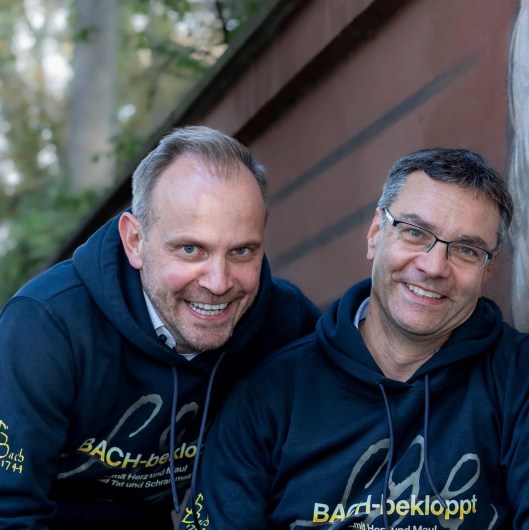
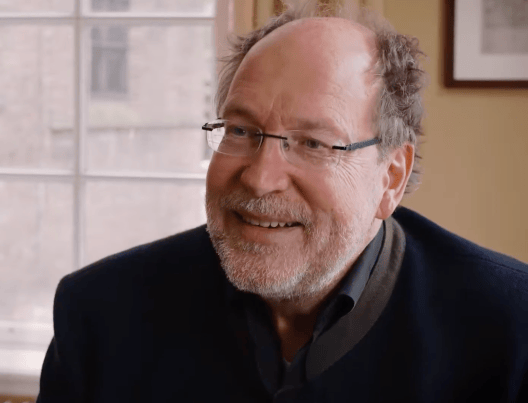
Michael Maul and Bernhard Schrammek

This past week, when doing research for this cantata, I became intrigued by something Michael Maul says in his and Bernhard Schrammek’s podcast from November 5, 2023. He explains that in Bach’s first four months in Leipzig, in 1723, he hadn’t spared any singers or instrumentalists. Opening choruses had been extensive and demanding, and solo instrumentalists had been given virtuoso parts to play in arias. Maul remarks that this changed suddenly in October of that year, when Bach started to alternate elaborate cantatas (the norm from June through September, 1723) with compositions for a smaller orchestra with only a few solo voices. For those smaller cantatas, he needed the choir only in the closing chorale.

I thought it would be helpful to see an overview of this. So, as far as we know now, here is what Bach’s performance schedule looked like for the months of October and November, 1723. The three cantatas with opening chorus in bold, the remaining five are smaller scale. Cantata 70 was an extra-long cantata including a demanding opening chorus and two chorales. Bach had already written the opening chorus, the arias, and one of the chorales of that cantata in Weimar.

October 3 (19th Sunday after Trinity): Cantata 48 Ich elender Mensch, wer wird mich erlösen
October 10 (20th Sunday after Trinity): Cantata 162 Ach! ich sehe, itzt, da ich zur Hochzeit gehe
October 17 (21st Sunday after Trinity): Cantata 109 Ich glaube, lieber Herr, hilf meinem Unglauben!
October 24 (22nd Sunday after Trinity): Cantata 89 Was soll ich aus dir machen, Ephraim?
October 31 (23rd Sunday after Trinity): most probably Cantata 163 Nur jedem das seine (from Weimar)
November 7 (24th Sunday after Trinity): Cantata 60 O Ewigkeit, du Donnerwort!
November 14 (25th Sunday after Trinity): Cantata 90 Es reißet euch ein schrecklich Ende
November 21 (26th Sunday after Trinity): Cantata 70 Wachet! betet! betet! wachet! (partly from Weimar)

In his German-spoken podcast, Maul says:

“I can’t give a specific reason—maybe there was some other event happening at the same time that put a strain on St. Thomas’ singers. Maybe there was also a high rate of sick leave. Perhaps Bach simply wanted—based on the experience he’d gained in the first few months—to give the choir a little breather […] before things really kicked into high gear for the Christmas season, so to speak. Because it was clear that it would be musically very demanding.” [translated by Deepl and me].

Time for another overview. This would be Christmas season 1723/1724 for Bach’s choir. Yes, all in bold, because it’s back to normal by that time, all these are elaborate cantatas with opening choruses.

Christmas Day: Cantata 63 Christen, ätzet diesen Tag (originally from Weimar) and a new Magnificat
Second Christmas Day: Cantata 40 Darzu ist erschienen der Sohn Gotte
Third Christmas Day: Cantata 64 Sehet, welch eine Liebe hat uns der Vater erzeiget
New Year’s Day 1724: Cantata 190 Singet dem Herrn ein neues Lied

While Bach would likely not have conceived the specific cantatas for Second and Third Christmas Day already in October, he might very well already have been writing or at least thinking about the Magnificat, and would have been planning to perform an elaborate cantata on each Christmas Day. If you have ever sung Bach’s Magnificat as a choral singer, you know it is an extremely challenging piece, up there with the trickiest parts of Bach’s Mass in B Minor.

So here’s my possible movie scenario: At a choir rehearsal at the end of September or beginning of October, Bach hands some vocal parts from his own music library to the choir boys. On one of them the text reads “Wachet! Betet!” and on the other “Christen, ätzet diesen Tag.” Maybe there’s even one that says “Gloria Patri.” Only half of the choir is there, the others are sick. There’s scarlet fever going around. The rehearsal is a bit of a disaster, and Bach realizes it will take some time to get this all together.

Other cantatas for this Sunday: Cantata 115 Mache dich, mein Geist, bereit, a chorale cantata from 1724, about which I wrote in 2017 and 2019; and Cantata 55 Ich armer Mensch, ich Sündenknecht, a solo cantata for tenor from 1726. I have never written about that cantata, but I recommend the Gardiner recording with tenor James Gilchrist.

I would love it if you would share this article with a friend! Thank you! Not an email subscriber yet? You can sign up below. I won’t use your email address for anything else.

© Wieneke Gorter, October 31, 2026.

*If you’re interested in watching this movie and are not in Germany, you’ll need a VPN, since it is only available in the ARD Mediathek. The movie has nothing to do with the content of this blog post! I just used one of their photos because it accuratly depicts the choir boys’ and Bach’s clothing. I could write an entire blog post about several strange choices in the script, but it’s a sweet story and it includes good music performed by the St. Thomas Choir, St. Thomas organist Johannes Lang, soprano Miriam Feuersinger, and Continuum Berlin. The movie is supposed to be set in Leipzig, but was mostly filmed at the Dom in Merseburg, and a bit in Weimar as well.

**Cantata numbers were assigned in the19th century by the Bachgesellschaft and do not correspond with the order in which Bach wrote the compositions.
Remember Those Covid-Era Concerts Without Audiences? – Cantatas 98 and 109 for Trinity 21

24 Saturday Oct 2026

Posted by cantatasonmymind in 1723 Trinity season special series, Cantatas, Chorale cantatas 1724/1725, Leipzig, Leipzig 1726/1727

≈ 2 Comments

Tags

Agnes Glassner, Alex Potter, Armin Bereuter, Bettina Messerschmidt, Bettina Simon, BWV 109, BWV 188, BWV 38, BWV 98, Collegium Vocale Gent, Cosimo Stawiarski, Daniel Johannsen, Guro Hjemli, J.S. Bach Foundation, Jan Börner, Johannes Frisch, Johannes Hämmerle, Johannes Kaleschke, Kantaten in Vorarlberg, Katharina Verhaar, Lea Elisabeth Müller, Manuel Walser, Miriam Feuersinger, Netherlands Bach Society, Philippe Herreweghe, Regula Keller, Robert Vanryne, Rodrigo Lopez-Paz, Rudolf Lutz, Shunske Sato, Trinity 21, Wolf Matthias Friedrich

Soprano Miriam Feuersinger introducing the “Bachkantaten in Vorarlberg” concert on November 15, 2020 in Bregenz, Austria.

For this 21st Sunday after Trinity, I would like to share two wonderful videos that were recorded during the Covid pandemic. I have so much respect for all the musicians involved in these concerts. While I can clearly see that it was a joy for them to sing and play Bach, and to make music with their colleagues again, let’s not forget that it must have been incredibly demanding, to perform for an empty church. They all had to pull it from somewhere else, that extra energy that performing for an audience normally gives you.

Cantata 98 Was Gott tut, das ist wohlgetan [I] by Miriam Feuersinger and Friends

The first video features Cantata 98 Was Gott tut, das ist wohlgetan [I] from 1726, performed in Bregenz, Austria, on November 15, 2020, by Miriam Feuersinger, soprano; Lea Elisabeth Müller, alto; Daniel Johannsen, tenor; Wolf Matthias Friedrich, bass; Bettina Simon and Agnes Glaßner, oboe; Regula Keller and Cosimo Stawiarski, violin; Johannes Frisch, viola; Bettina Messerschmidt, violoncello; Armin Bereuter, violone; and Johannes Hämmerle, organ. Watch the video here.

This recording is part of Miriam Feuersinger’s own Bach cantata series in her home state of Vorarlberg, Austria.

Find the German texts with English translations for Cantata 98 here, and the score here.

Cantata 109 Ich glaube, lieber Herr, hilf meinem Unglauben! by the Netherlands Bach Society

Next up: Cantata 109 Ich glaube, lieber Herr, hilf meinem Unglauben! From 1723, performed in Amsterdam, The Netherlands, on May 28, 2021, by the Netherlands Bach Society under the direction of Shunske Sato, with beautiful singing by countertenor Alex Potter and tenor Daniel Johannsen, and fabulous playing by Rodrigo Lopez Paz and Katharina Verhaar on oboe and Robert Vanryne on slide trumpet. Watch the video here.

Alex Potter and Daniel Johannsen both communicate the text in such an extraordinary and moving way, it’s the best kind of storytelling.

Find the German texts with English translations for Cantata 109 here, the score here, and my article from 2016 about this cantata here.

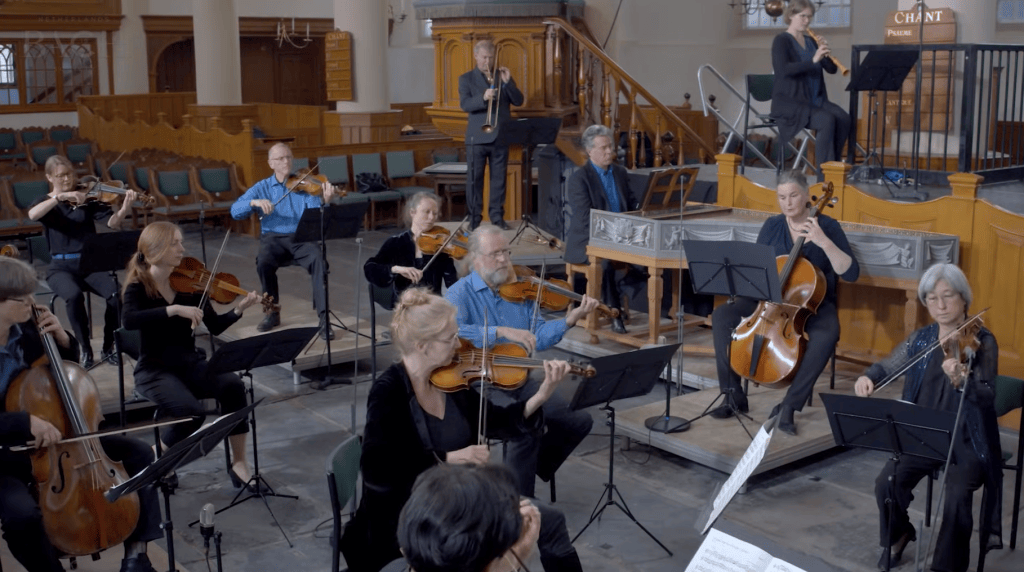
The Netherlands Bach Society in an empty Walloon Church in Amsterdam, May 2021

Other cantatas for this Sunday

Bach wrote Cantata 38 Aus tiefer Not schrei ich zu dir in 1724, as part of his 1724-1725 Chorale Cantata cycle. In my post from 2017 I recommend the Herreweghe/Collegium Vocale Gent recording, in my post from 2020 the Lutz/J.S. Bach Foundation recording. Those articles also include updated links for the score and texts.

For Cantata 188 Ich habe meine Zuversicht from 1728, there’s a lovely video recording by the J.S. Bach Foundation under the direction of Rudolf Lutz, with soprano Guro Hjemli, countertenor Jan Börner, tenor Johannes Kaleschke, and bass Manuel Walser. Find it here. Find the score here, and the German texts with English translations here.

I would love it if you would share this article with a friend!

Not an email subscriber yet? You can sign up below. I won’t use your email address for anything else.

© Wieneke Gorter, October 24, 2026.

The Recording that Knocked My Socks off – Cantata 162 for Trinity 20

17 Saturday Oct 2026

Posted by cantatasonmymind in 1723 Trinity season special series, Cantatas, Leipzig, Weimar

≈ Leave a comment

Tags

Alain de Rudder, Andreas Helm, Anneke Scott, Annina Stahlberger, Bach Akademie Stuttgart, Bach Collegium Japan, Catalina Bertucci, corno da tirarsi, Gaechinger Cantorey, Gerlinde Sämann, Gottfried Reiche, Hans-Christoph Rademann, J.S. Bach Foundation, Marie Henriette Reinhold, Masaaki Suzuki, Olivier Picon, Parable of the Unworthy Wedding Guest, Patrick Grahl, Rijksmuseum, Robert Vanryne, Rudolf Lutz, Simon Kick, Tobias Berndt, Toshio Shimada, Trinity 20, Vision Bach, Yoshimichi Hamada, Yumiko Kuriso

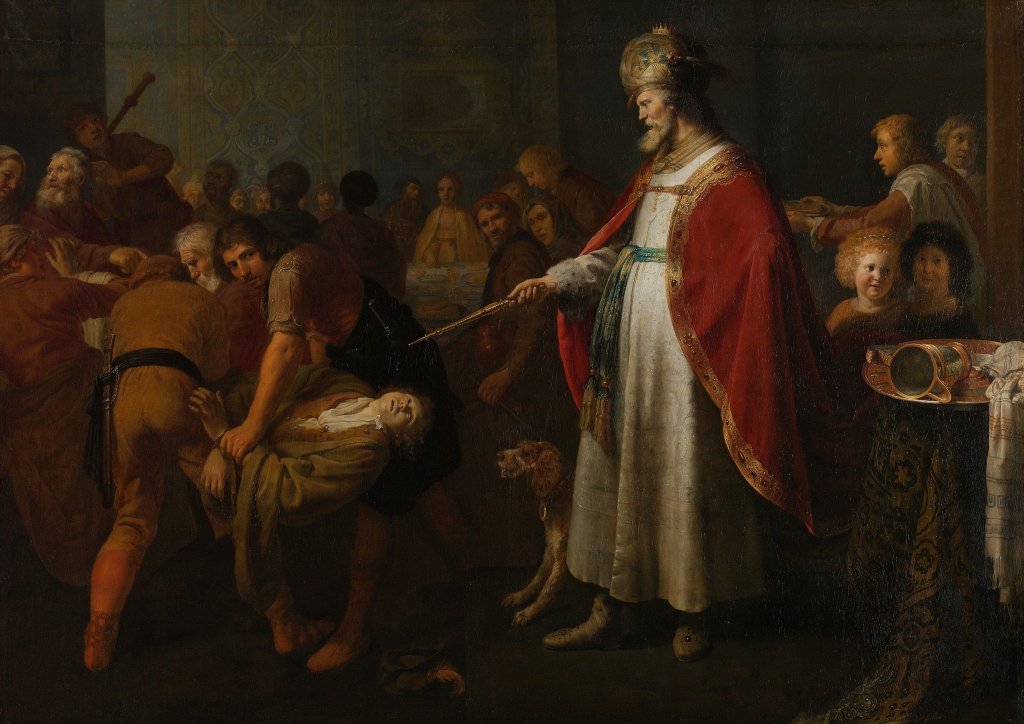
The Parable of the Unworthy Wedding Guest attributed to Simon Kick, circa 1644. Oil on Canvas. Rijksmuseum, Amsterdam, the Netherlands.

Every now and then, a cantata recording knocks my socks off. It happened this week. And since I need to keep this post short, I’ll leave the other five articles I had brewing in my mind on the shelf for the future, and I’ll just tell you about that one recording.

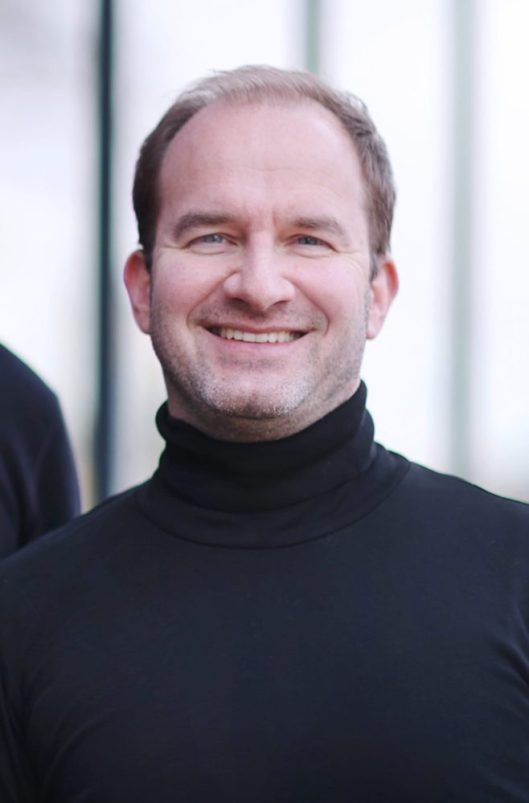
Tobias Berndt

It’s the Leipzig version of Cantata 162 Ach! ich sehe, itzt, da ich zur Hochzeit gehe by Bach Akademie Stuttgart under the direction of Hans-Christoph Rademann, from their Vision Bach series, Volume 4. The opening movement gives me the good kind of stomach ache, thanks to gorgeous singing by Tobias Berndt, unparalleled corno da tirarsi playing by Anneke Scott, and this fantastic orchestra. Another highlight is the duet by alto Marie Henriette Reinhold and tenor Patrick Grahl, accompanied by a terrific continuo group.

Find this recording on YouTube or on Spotify in playlists created by me. To learn more about Bach Akademie Stuttgart’s Vision Bach series and how to purchase the CDs, read my post about their recording of Cantatas 105 and 46. Find the German texts with English translations here, and the score here.

Cantata 162 – A Short History

Bach wrote this cantata originally for the 20th Sunday after Trinity in 1716 in Weimar, setting texts by his favorite librettist there, court librarian Salomon Franck. Franck transforms the question “Am I dressed properly?” from the The Parable of the Unworthy Wedding Guest (Matthew 22:1-14, the Gospel for this Sunday) into “Have I made the right choices?”

Since Bach had limited performance space in the Duke’s chapel in Weimar, he composed this original piece for a small instrumental ensemble: strings, bassoon, and continuo, plus likely a solo wind instrument for the soprano aria (movement 3).*

Anneke Scott – The Queen of the Corno da Tirarsi

For the 1723 performance in Leipzig, Bach added a corno da tirarsi in the first and last movements. In his time, most probably the only person who could play the corno da tirarsi was Gottfried Reiche, because Bach stopped writing for this instrument after Reiche’s death in 1732.

Anneke Scott with corno da tirarsi. Photo by Nick Gilbert.

Today, we are lucky to have more than one musician who can handle this instrument. I’m thinking of Alain de Rudder (Herreweghe), Toshio Shimada (Suzuki), and last but not least, Olivier Picon (J.S. Bach Foundation), who did important research on the instrument and initiated Egger’s reconstruction of the original. But for me, the Queen of the corno da tirarsi is Anneke Scott. I already talked about her fabulous performance in Cantatas 46 and 105 on Volume 3 of Rademann’s Vision Bach several weeks ago, and in this Cantata 162 she does it again! Her playing is simply stunning, I have never heard the corno da tirarsi played with such beautiful phrasing and sound quality as she does on these Vision Bach recordings.

To everyone who recently started following me here on WordPress or on Instagram @weeklycantata, welcome and thank you for being part of my Bach family! Please feel free to share this article with a friend.

Not an email subscriber yet? Sign up below! I won’t use your email address for anything else.

© Wieneke Gorter, October 17, 2026.

*For his recording in 1996 (Yumiko Kurisu, soprano; Yoshimichi Hamada, recorder) Masaaki Suzuki created a part for solo recorder, which has subsequently also been used by Lutz/J.S. Bach Foundation (Gerlinde Sämann, soprano; Annina Stahlberger, recorder) and for the performance discussed here by Rademann/Bach Akademie Stuttgart (Catalina Bertucci, soprano; Andreas Helm, recorder).

It’s Not What You Think – The Kreuzstab Cantata for Trinity 19

10 Saturday Oct 2026

Posted by cantatasonmymind in Cantatas, Leipzig, Leipzig 1726/1727

≈ Leave a comment

Tags

Adolf Theill, Bach, Bach-Archiv Leipzig, BWV 56, cantatas, Christine Blanken, Christoph Birkmann, Collegium Vocale Gent, Daniel R. Melamed, Il Gardellino, Kreuzstab, Marcel Ponseele, Michael Marissen, Peter Kooij, Philippe Herreweghe, Trinity 19

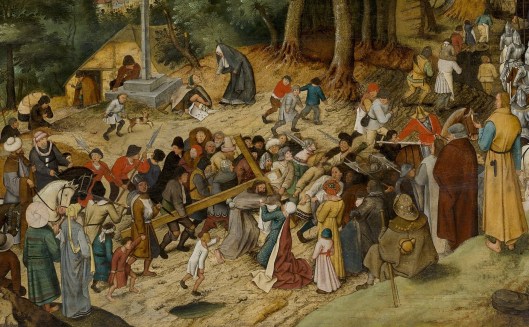
Detail of Pieter Brueghel II’s Landschap met Kruisdraging (Landscape with Christ Carrying the Cross) from around 1605. Oil on oak wood. Bonnefantenmuseum, Maastricht, the Netherlands. Click here to see the entire painting and its eventful history in the 1940s.

What do you think of when you hear the text of the solo cantata for bass “Ich will den Kreuzstab gerne tragen”? My mental image was similar to the painting above, but this week, that got turned on its head when I read research published in 2015. However, my favorite recording is still the same! My love for this particular performance is older than my marriage!

Peter Kooij, image taken from a video by the Netherlands Bach Society.

That favorite recording of Cantata 56 Ich will den Kreuzstab gerne tragen is the one by Herreweghe with Peter Kooij and Marcel Ponseele, from 1991. Not this same piece by Peter Kooij with other conductors or orchestras, only Herreweghe. Because for me, it’s the combination that makes the magic. Peter Kooij’s musicality, voice, and text-awareness is always there, but under Herreweghe’s direction the music flows and every musical line takes you to a point far beyond the note that’s currently in your ears.

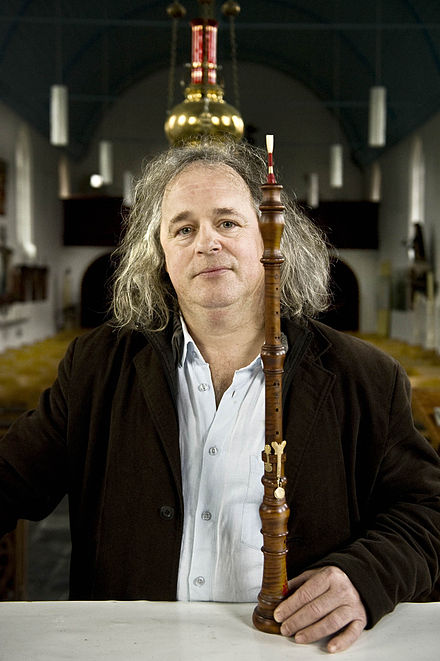
Marcel Ponseele

And then there’s Marcel Ponseele’s oboe playing. I know no other recording where the oboe and the voice dance so beautifully together in the third movement “Endlich, endlich wird mein Joch” (Finally, finally will my yoke). Kooij and Ponseele were both with Herreweghe for decades, but Kooij, 72, has retired from touring, and Ponseele, 69, has recently left Herreweghe’s ensembles to focus more on his own projects. (see my previous post for an example of the fabulous productions he creates with his ensemble Il Gardellino).

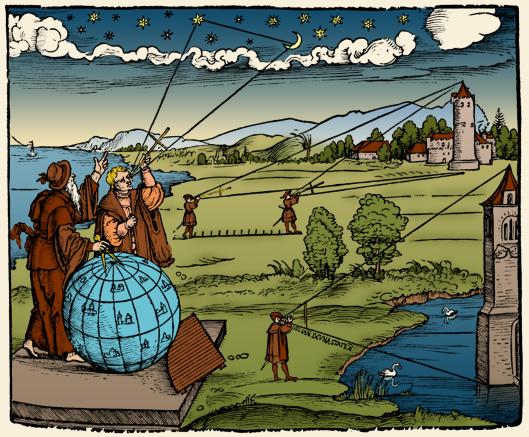
The score of Cantata 56 Ich will den Kreuzstab gerne tragen can be found here. The German text with a thorough and thoughtful English translation by Michael Marissen & Daniel R. Melamed can be found here. In their translation, Kreuzstab is correctly translated as cross staff, such as a Bishop’s staff, or even a medieval navigation device as pictured at the very bottom of this post (more about that later!). But in about half of the English translations out there, it is translated as cross beam.

Wy did I also have that image of the cross beam in my head, instead of a cross staff? For me, that has to do with the word “Joch” (yoke) in the third movement, but also with Bach’s St. Matthew Passion. As a Dutch choral singer, I know the St. Matthew Passion libretto from memory, and thus, for me, that text always comes to mind first. Concert programs also sometimes feature the “Komm, süsses Kreuz” (Come, sweet cross) bass aria from the St. Matthew Passion together with this Kreuzstab cantata.

In the St. Matthew Passion, leading up to that “Kom, süsses Kreuz” aria, the Evangelist sings the Gospel text from Matthew:

Und da sie ihn verspottet hatten, zogen sie ihm den Mantel aus und zogen ihm seine Kleider an und führeten ihn hin, dass sie ihn kreuzigten. Und indem sie hinausgingen, funden sie einen Menschen von Kyrene mit Namen Simon; den zwungen sie, dass er ihm sein Kreuz trug.

And when they [the Roman soldiers] had ridiculed him, they took the cloak off him and put his own clothing on him, and led him forth, so that they might crucify him. And as they were going out, they found a man from Cyrene named Simon; they forced him to carry Jesus’ cross for him.

Thus, that image of literally carrying Jesus’ wooden cross is a vivid one. Then, in the “Komm, süsses Kreuz” aria, Bach’s librettist, in his 18th-century reflection on the Gospel text, makes the connection to suffering, metaphorically bearing a cross.

Komm, süsses Kreuz, so will ich sagen,
Mein Jesu, gib es immer her!
Wird mir mein Leiden einst zu schwer,
So hilfst du mir es wieder tragen.

Come, sweet cross, so I will say,
My Jesus, ever give it here [for me to bear]!
If someday my suffering becomes too heavy for me,
Then you will help me bear it [the cross] again.

But this Kreuzstab Cantata 156 is only partly about that. Foremost, the text talks about finding a way through one’s life, letting God lead the way, and finding a safe harbor, using a wealth of metaphors from marine navigation. See for example the analogy in the second movement “Mein Wandel auf der Welt ist einer Schiffahrt gleich: Betrübnis, Kreuz und Not sind Wellen, welche mich bedecken und auf den Tod mich täglich schrecken” (My course of life in the world is like a ship voyage: distress, cross-bearing, and hardship are waves that cover me and daily scare me) and these words in the closing chorale: “Löse meines Schiffleins Ruder, bringe mich an sichern Port!” (Free the rudder of my little ship, bring me to safe harbor). So in that sense, the image of a cross staff is more appropriate than that of “the” wooden Cross.

I didn’t come up with this myself of course. Already in 1985, Gustav Adolf Theill explained that the cross-staff was a nautical device used to determine distances and positional coordinates. It would take until the 1730s for this to be replaced by the sextant. Theill linked the description of a cross-staff with Bach’s succession of notes in the bass motif (Ich – will – den – Kreuz – stab) of the first movement.

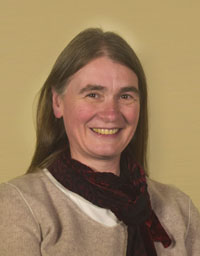
Dr. Christine Blanken

Thirty years later, in 2015, Dr. Christine Blanken of Bach-Archiv Leipzig presented more evidence. She had discovered that Bach’s student Christoph Birkmann was most likely the librettist of this and other solo cantatas from the fall and winter of 1726. In addition, she showed that only two months before Bach’s performance of this cantata, Birkmann, also a mathematician and physicist, had given an academic presentation about trigonometrical calculations requiring the use of cross staffs such as pictured at the bottom of this post.

So, while Bach might have had both Jesus’ wooden cross and a cross staff in mind, his librettist was definitely thinking of the latter.

Read more about all of this in Dr. Christine Blanken’s article from 2015.

To everyone who recently started following me here on WordPress or on Instagram @weeklycantata , welcome and thank you for being part of my Bach family! Please feel free to share this article with a friend.

Not an email subscriber yet? Sign up below! I won’t use your email address for anything else.

© Wieneke Gorter, October 10, 2026.

Frontispiece to the Introductio geographica, by Petrus Apianus, 1532. The illustration depicts the use of a cross-staff, or Jacob’s staff, to measure angles. The instrument was used in astronomy, navigation, and surveying.

A Rainbow of Colors – Cantata 169 for Trinity 18

04 Sunday Oct 2026

Posted by cantatasonmymind in Cantatas, Chorale cantatas 1724/1725, Köthen, Leipzig, Trinity

≈ Leave a comment

Tags

Alex Potter, Anne-Kathryn Olsen, Arp Schnittger Organ, Bach, BWV 1053, BWV 169, BWV 35, BWV 96, cantatas, Christelle Monney, Gli Angeli Genève, Grauhof, Il Gardellino, Leo van Doeselaar, Mühlhausen, Stephan MacLeod, Treutmann organ

Over the summer and fall of 1726, Bach wrote several solo cantatas with the organ as “duet partner” for the vocal soloist. Cantata 169 Gott soll allein mein Herze haben, written for this 18th Sunday after Trinity, is one of these. Until 2023, I had always heard and seen these solo cantatas performed the way you can see in this video, with the organist playing on a small “portative” organ, on the same stage as the other members of the orchestra. 

When in February 2023, ensemble Il Gardellino released a CD featuring two of these solo cantatas with countertenor Alex Potter, I at first merely started listening to it because I was excited to hear one of my favorite soloists perform together with one of my favorite ensembles. The album cover doesn’t reveal more than those two names, and neither did the social media posts that alerted me about the release at the time. 

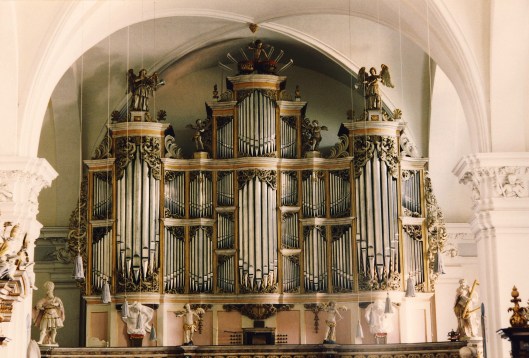
But as I heard the first few notes I started smiling: instead of a portative organ I heard a large church organ! And oh, what an incredibly gorgeous instrument! Turns out this album was recorded at the Stiftskirche St. Georg (collegiate church of St. George) in Grauhof (Goslar), Germany, using that church’s famous Treutmann organ from 1737 (pictured above), played by Dutch organist Leo van Doeselaar. Bach wrote the organ part of these solo cantatas clearly with a large church organ in mind. However, because of challenges of tuning pitch, space, and place, playing these cantatas on large church organs can often not be achieved in concerts. So we’re lucky to have recordings like these!

I’ve listened to this album many times since, because I appreciate Alex Potter’s sensitivity to the text, but also because I love how the rainbow of colors in Alex Potter’s voice is perfectly matched by the organ’s sound, thanks to Van Doeselaar’s  fabulous registration.*  

Find this recording on YouTube or on Spotify. Cantata 169 is the second cantata on this album. Please consider purchasing the recording to support the artists, for example on Amazon if you are in the USA or directly from the record label if you are in Europe.

Please find the score for Cantata 169 Gott soll allein mein Herze haben here, and the German texts with English translations here.

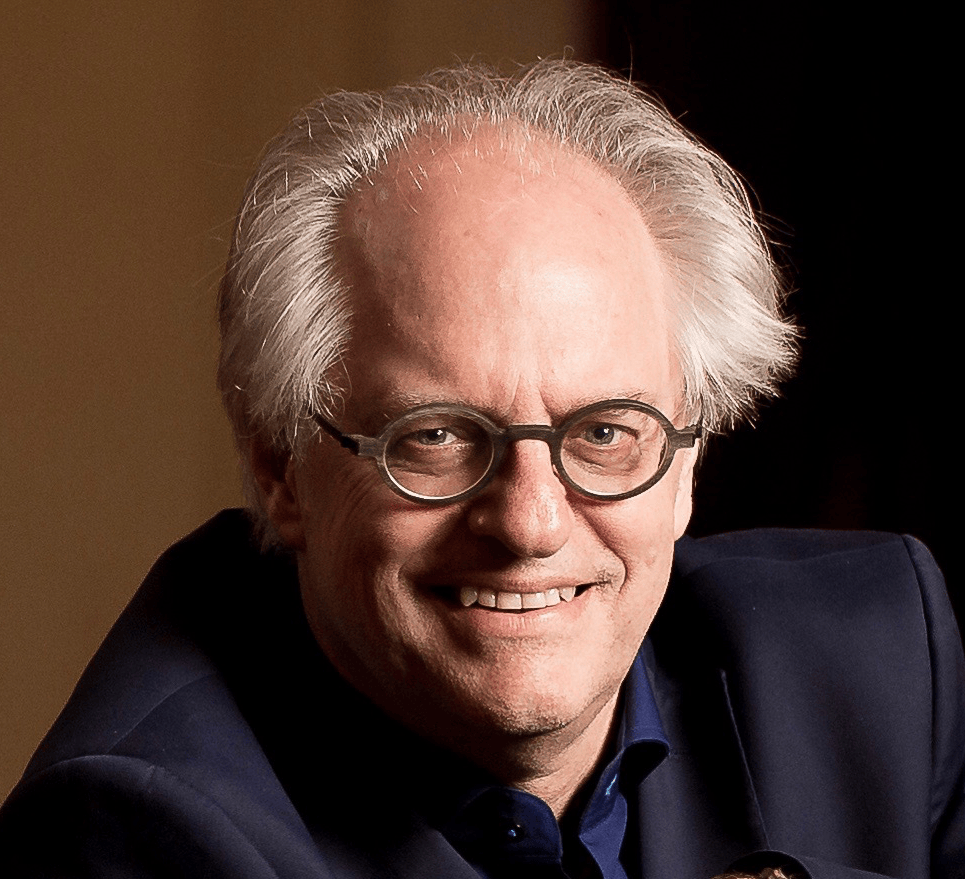
Leo van Doeselaar, photo by Eduardus Lee.

Coming back to Van Doeselaar’s registration, when you listen to this album, don’t miss the organ piece between the two cantatas, the Toccata, Adagio and Fugue in C Major, BWV 564. Van Doeselaar uses the “Glockenspiel” stop in the first measures of the Toccata. The stop was added during a recent renovation of the organ. When I asked Van Doeselaar about using it here, he said that he knows Bach appreciated a Glockenspiel stop since it is listed in his 1708 specification for the new organ in Mühlhausen**, and that he just had to let that shine through in the Toccata, he couldn’t help himself, “it was too much fun!”

This cantata’s text is based on a passage from the Gospel reading for this Sunday, Matthew 22:34–46, in which Jesus formulates the “double commandment”: “Love God with all your heart” and “Love your neighbor as yourself.” Only the recitative (movement 6) addresses the “Love your neighbor as yourself”; the preceding movements focus on “Gottesliebe” (love for or from God), in its two meanings: humankind’s subjective love for God, which implies a rejection of worldly pleasures (movements 2,3, and 5); and God’s objective love for people, which comes to people as a gift (movement 4).

If the music reminds you of something, you’re right! For the first two movements of his harpsichord concerto BWV 1053 in E major Bach arranged movement 1 and 5 from this cantata.*** However, the cantata movements are not the original pieces of music either, but rather arrangements of a lost concerto. For a long time it was assumed that this was a concerto composed in Köthen for a woodwind instrument or a viola, and there are many recordings of this piece as an oboe concerto. Only in 2005 Christoph Wolff suggested that it may have been an organ concerto performed in 1725 at the Sophienkirche in Dresden.

There is, hooray, one more cantata for this Sunday featuring Alex Potter’s gorgeous singing: Cantata 96 Herr Christ, der einge Gottessohn from Gli Angeli Genève’s Chorale Cantata Box I spotlighted last week. Please find this recording here on Youtube and here on Spotify. Exceptionally, in this cantata Bach gives the cantus firmus in the opening chorus to the altos. And on Gli Angeli Genève’s recording, the a capella chorale preceding the cantata is sung by two altos and one soprano: Alex Potter, Christelle Monney, and Anne-Kathryn Olsen. Read my post from 2017 to learn why Bach brings the Christmas story into a Trinity cantata, and find a video by the J.S. Bach Foundation’s in my post from 2020.

I would love it if you share this message with a friend, feel free to forward!

If you have a question for me, would like to reach out, or let me know how you found this blog, I would love to hear from you! If you don’t feel comfortable writing a comment under this post, you can simply reply to the email you received about this post, and the message will get directly to me. Not an email subscriber yet? Sign up below! I won’t use your email address for anything else.

© Wieneke Gorter, October 4, 2026.

*When talking about an organ, “registration” means the organist’s decision regarding which sound registers, called “stops,” to use when playing a piece of music. If you would like to know more about this art, please watch this video by the Netherlands Bach Society, in which Van Doeselaar explains his approach and compares it to the work of a chef. The organ in this video is the Arp Schnittger organ in Groningen I mentioned and pictured in my previous post.

**As organist of the Blasiuskirche in Mühlhausen, from 1707 to 1708, Bach initiated a complete renovation of the organ by local builder Johann Friedrich Wender. He however already left Mühlhausen before the instrument would be finished in 1709. The organ was reconstructed in the 1950s at the instigation of Albert Schweitzer based on Bach’s specification drawn up in 1708.

***The music of the third movement is the same as the opening chorus of Cantata 49, which is part of that same group of solo cantatas with organ from 1726.

Recent Posts

  • From the Archives, with a New Recording – Cantatas 60 and 26 for Trinity 24
  • A Controversy and a Coin Collection – Cantata 163 for Trinity 23
  • Giving the Choir a Breather? – Cantata 89 for Trinity 22
  • Remember Those Covid-Era Concerts Without Audiences? – Cantatas 98 and 109 for Trinity 21
  • The Recording that Knocked My Socks off – Cantata 162 for Trinity 20

Archives

  • November 2026
  • October 2026
  • September 2026
  • August 2026
  • August 2025
  • July 2025
  • December 2024
  • November 2024
  • June 2024
  • January 2024
  • December 2023
  • October 2023
  • September 2023
  • August 2023
  • April 2022
  • February 2022
  • January 2022
  • December 2021
  • November 2021
  • June 2021
  • May 2021
  • April 2021
  • February 2021
  • January 2021
  • December 2020
  • November 2020
  • October 2020
  • September 2020
  • August 2020
  • July 2020
  • May 2020
  • April 2020
  • March 2020
  • February 2020
  • January 2020
  • December 2019
  • November 2019
  • May 2018
  • April 2018
  • March 2018
  • February 2018
  • January 2018
  • December 2017
  • November 2017
  • October 2017
  • September 2017
  • August 2017
  • July 2017
  • June 2017
  • May 2017
  • April 2017
  • March 2017
  • February 2017
  • January 2017
  • December 2016
  • November 2016
  • October 2016
  • September 2016
  • August 2016
  • July 2016
  • June 2016
  • May 2016
  • April 2016
  • March 2016
  • February 2016
  • January 2016

Enter your email address to follow this blog and receive notifications of new posts by email.

Join 337 other subscribers

Categories

  • 1723 Trinity season special series
  • Advent
  • After Easter
  • Ascension
  • Bach's life
  • Cantatas
  • Chorale cantatas 1724/1725
  • Christmas
  • Easter
  • Epiphany
  • Following Bach in 1725
  • Köthen
  • Leipzig
  • Leipzig 1726/1727
  • Septuagesima
  • Travel
  • Trinity
  • Weimar

Meta

  • Create account
  • Log in
  • Entries feed
  • Comments feed
  • WordPress.com

Website Built with WordPress.com.

  • Subscribe Subscribed
    Weekly Cantata
    Join 157 other subscribers

    Have a WordPress.com account? Log in now.

  • Weekly Cantata
    View site in Reader
    Manage subscriptionsSign upLog in
    Report this content
    Collapse this bar
Loading Comments...