
Tags
Alex Potter, Alexandra Lewandowska, Alexis Kossenko, Anne-Kathryn Olsen, Arp Schnittger Organ, Bach, BWV 114, BWV 148, Daniel Johannsen, Francis Jacob, Georg Poplutz, Gli Angeli Genève, J.S. Bach Foundation, Martinikerk Groningen, Rudolf Lutz, Sarah van Mol, Stephan MacLeod, Thomas Hobbs, Trinity 17

This week I returned from a wonderful vacation in the Scottish Highlands. While I miss the stunning nature and the friendly people, it was much easier to get back to writing than normally after a trip, because this fall I’m part of an all-women writer’s group. Two times a week we all log in to Zoom and then do our own writing for 2 hours and receive inspiring coaching by Jennifer Louden. The community and accountability work wonders for me, and I hope that after the group disbands in December, I will have sufficiently strengthened the commitment to myself to keep making time for my writing, and keep my standards at a realistic level.
Gli Angeli Genève’s Chorale Cantata Box
Continuing to highlight remarkable cantata recordings that came out over the past few years, this time I would like to put the spotlight on baritone Stephan MacLeod’s ensemble Gli Angeli Genève. And before you start giggling about about me featuring a Scottish conductor after coming back from a trip to Scotland, Stephan MacLeod is a native of Geneva!
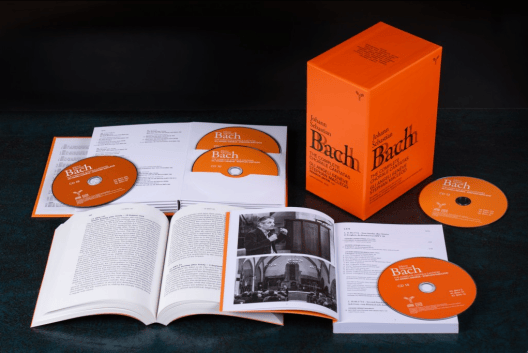
In 2025, Gli Angeli Genève released “The Complete Chorale Cantatas”: nineteen CDs packaged together in a tastefully and thoughtfully designed cardboard album, with two paperback books, one with all the tracks and texts, the other with all the program notes. Both books have most of the information in English, German, and French. The only place an English translation is missing is in the cantata texts. Those only have French translations.
It’s of course not just this collection’s design that makes it an exceptional release. What stands out to me most are the musical introductions to each cantata. Each work is preceded by an organ prelude by Bach or one of his contemporaries on the same chorale that the cantata is based on, followed by the chorale itself, sung a capella by two or three singers. In today’s world where we listeners are not as familiar with these chorale tunes as listeners in Bach’s time were, this makes a huge difference in appreciating these cantatas.
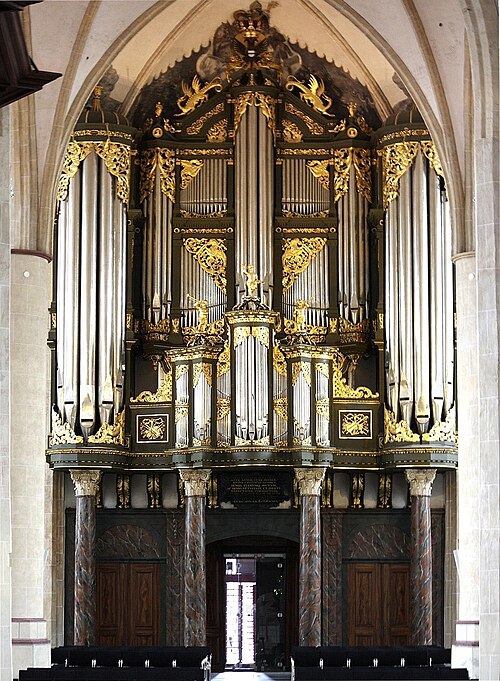
I applaud Gli Angeli Genève going through the extra trouble of recording these additional pieces after they had already recorded all the cantatas. The cantatas were recorded live over the course of 12 years, from 2011 to 2023, all in Geneva. The a capella chorale tunes were recorded in three different sessions spread out over 2024, in Geneva, Chaux-de-Fonds (also in Switzerland), and Groningen (the Netherlands). All the organ preludes were recorded in September 2024 on a historic organ from Bach’s time, the Arp Schnitger Organ in the Martinikerk (St. Martin’s church) in Groningen, the Netherlands. Organist Francis Jacob does a fabulous job on this beautiful instrument, and his registrations and notes for each of the pieces are included in one of the books included with the CD box.
Cantata 114 Ach, Lieben Christen, seid getrost for the 17th Sunday after Trinity
On to the cantata for this Sunday, Cantata 114 Ach, lieben Christen, seid getrost, from 1724. It appears on CD 7 of Gli Angeli Genève’s “The Complete Chorale Cantatas” box. If you’re in Europe, you can purchase the box on jpc.de: you pay 160 euros instead of the original price of 200 euros. It’s also available on Amazon.de and Amazon.uk. If you’re outside of Europe you’ll have to rely on the streaming platforms. Find Cantata 114 here on Spotify, or here on YouTube (this is a playlist of the entire album (CD 7), just scroll down to the 9th track to start this cantata with the organ prelude).
Find the German texts with English translations for Cantata 114 here, and the score here. I have previously published two articles about this cantata on this blog, in 2017 and 2020. The one from 2017 includes a detailed listening guide and the one from 2020 shares a few more recordings.
Coming back to the musical introductions I mentioned above, sopranos Aleksandra Lewandowska and Sarah van Mol sing a 17th-century anonymous setting of the chorale. I love their voices together and I could listen to their a capella chorale singing all day. If you have time, check out their rendition of “Lobe den Herren, den mächtigen König der Ehren” preceding Cantata 137 on CD 5 of this same box. Goose bumps!
However, what I love most about Gli Angeli Genève’s recording of this cantata is the opening chorus, with exquisite phrasing by the orchestra, and beautiful transparency in the chorus. The two-on-a-part singing works really well in this case!
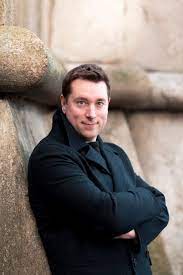
Tenor Thomas Hobbs and flutist Alexis Kossenko do a terrifyingly beautiful job in the tenor aria. This is the slowest I’ve ever heard this aria performed, but again, it works. In this tempo, the “sighs” in the flute part really make me think of sobs, fitting for an illustration of “Jammertale” (vales of tears). I still also really love the J.S. Bach Foundation/Lutz’ recording with flutist Marc Hantaï and tenor Georg Poplutz. When you regard this aria’s text, Wo wird in diesem Jammertale vor meinen Geist die Zuflucht sein? (Where in this vale of tears will there be a refuge for my spirit?) I feel that Thomas Hobbs focuses more on illustrating the vale of tears, while Georg Poplutz expresses the problem of where to turn to.
But let’s not forget the soprano and alto solos! The soprano solo consists of a verse of the chorale with an exciting continuo accompaniment, performed convincingly here by sopranos Alexandra Lewandowska and Anne-Kathryn Olsen. It’s fun for me to hear Anne-Kathryn sing, because she and I chatted online during the Covid pandemic about her working in Europe as an American soprano, and about San Francisco Bay Area audiences versus European audiences (it’s not what you think). Her voice also sounds fabulous together with Alexandra Lewandowska’s, so I guess Alexandra is good at selecting fellow singers 🙂
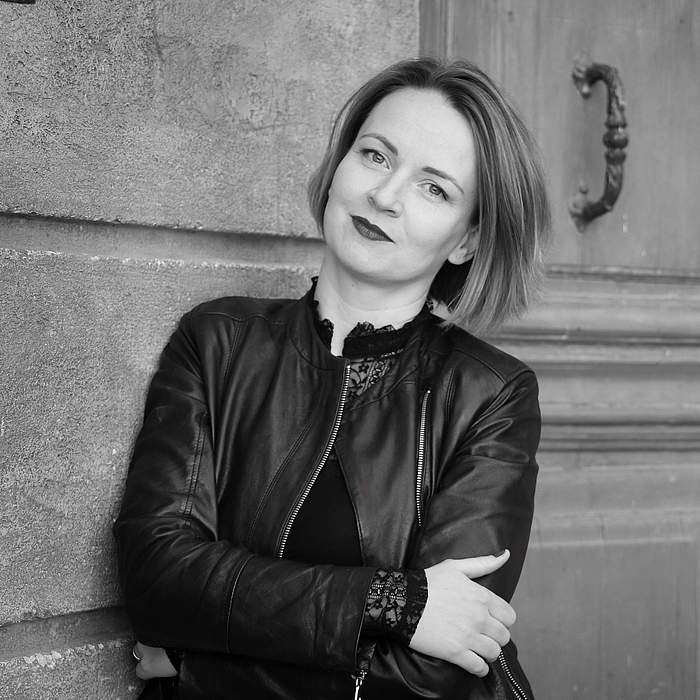
Now we can all go in peace.
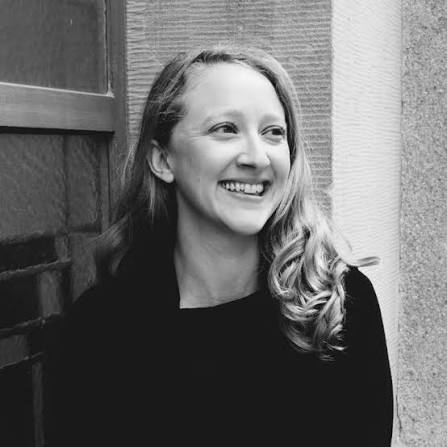
As almost always in a Bach cantata, there is a turning point where the text and music move from misery to glory. In this cantata this happens in the alto aria. Bach illustrates the at the same time victorious and peaceful text with a joyful orchestra accompaniment with oboe solos, beautifully played by Emmanuel Laporte, and a virtuoso part for the singer. And what better countertenor to sing this than Alex Potter? Now we can all go in peace.
More cantatas for this 17th Sunday after Trinity
One year later, for this same 17th Sunday after Trinity, Bach wrote Cantata 148 Bringet dem Herrn Ehre seines Namens. Please find my previous posts about this cantata here. Since last year, there’s been a beautiful new recording out on Youtube, performed by the J.S. Bach Foundation under the direction of Rudolf Lutz, with two of my favorite soloists, countertenor Alex Potter and tenor Daniel Johannsen. Find it here.
© Wieneke Gorter, September 25, 2026.

