Weekly Cantata

Weekly Cantata

Tag Archives: Alex Potter

It is NOT ‘O Haupt’! – The crucial role of the chorale in Cantata 161 for Trinity 16

27 Sunday Sep 2020

Posted by cantatasonmymind in 1723 Trinity season special series, Cantatas, Chorale cantatas 1724/1725, Leipzig, Trinity, Weimar

≈ 3 Comments

Tags

Alex Potter, All of Bach, All Souls, Anna Magdalena Bach, Bachvereniging, Benny Aghassi, BWV 161, BWV 27, BWV 8, BWV 95, Daniel Johanssen, David Yearsley, Dies Irae, Dorothee Mields, figura suspirans, Hans Jörg Mammel, Herzlich tut mich verlangen, J.S. Bach Foundation, Johann Hermann Schein, Matthew White, Matthias Havinga, Netherlands Bach Society, O Haupt voll Blut und Wunden, Philippe Herreweghe, Rosenmüller, Rudolf Lutz, Shunske Sato, Stephan MacLeod, Thomas Hobbs, Trinity 16, Widow of Nain

Resurrection of the Widow of Nain’s Son  by Paolo Veronese. 1565-1570, oil on canvas. Kunsthistorisches Museum, Vienna, Austria.

This is an extended lesson, in several steps, but please bear with me, it’s worth it and you get to watch or listen to some excellent videos. Happy learning and listening!

This 16th Sunday after Trinity seems to be “chorale Sunday” for Bach. His cantatas for this Sunday (161, 95, 8, and 27) either contain a high number of chorales, or are centered around an important chorale. Read for example about the four (!) chorales in Cantata 95 Christus, der ist mein Leben from 1723 in this blog post. Already in 1716, in Weimar, Bach put great emphasis on the chorale in the first cantata he ever wrote for this Sunday, Cantata 161 Komm, du süße Todesstunde.

Why this stress on chorales? In his book about Anna Magdalena Bach, David Yearsley suggests it has something to do with widows. The Bible story for this Sunday is the Resurrection of the Widow of Nain’s son. Based on sermons from Bach’s time, Yearsley concludes that this 16th Sunday after Trinity was seen as some sort of National Widow Day, and wonders why no Bach scholar ever discusses this in relation to these cantatas. On page 207 of his book, he says: “Even by Bachian standards, this group of cantatas is dense with chorales, the singing of which was one crucial way for widows to make their lives bearable; melodies and texts buttressed single women’s emotional well-being and held off melancholy.”

The crucial role the chorale Herzlich tut mich verlangen nach einem sel’gen End (My heart is filled with longing to pass away in peace) plays in Cantata 161 Komm, du süße Todesstunde from 1716 brings me to Part II of my review of the All Souls production by the Netherlands Bach Society in the Fall of 2019, guest-directed by Alex Potter. (Part I is here). That program included the absolute best performance of Cantata 161 I have ever heard. Unfortunately, none of the performances were recorded.
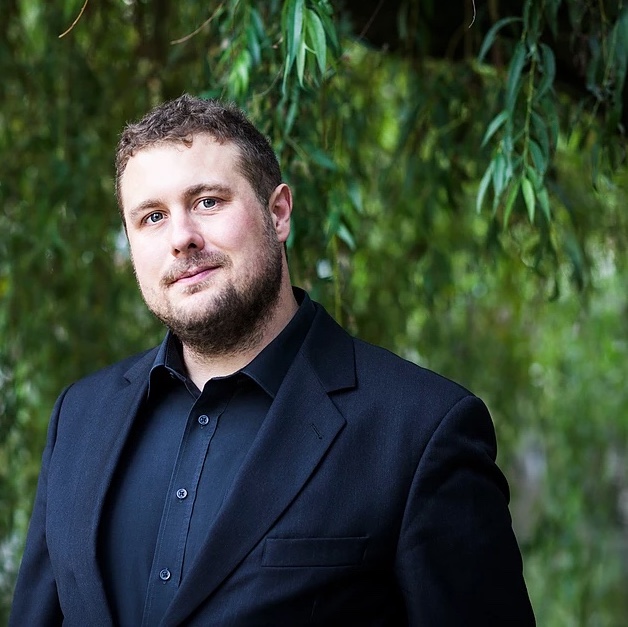
Alex Potter. Photo by Annelies van der Vegt.

I will discuss two good alternatives for recordings later, but first I would like to introduce* Alex Potter with this video by the Netherlands Bach Society. In this video, Potter talks about the countertenor voice, and explains how he came to be a countertenor. It’s a lovely and very accessible interview. But for me, the best are the snippets of rehearsals for the All Souls program. It’s cold comfort for the absence of a complete All of Bach recording, but for a few seconds, you can see Potter perform the alto recitative from Cantata 161 with the superb band he had put together for this : the dramatic so schlage doch section around 1’38” and the start of the recitative around 7’12”. Other singers in this recording are Dorothee Mields, soprano; Thomas Hobbs, tenor; and Stephan McLeod, bass.

The chorale Herzlich tut mich verlangen nach einem sel’gen End features prominently in the opening movement of Cantata 161, is referred to in the tenor aria, and then comes back in the final movement. It was an important chorale for Bach, and he used it often. Watch this 3-minute explanation by organist Matthias Havinga on how earthly misery gets replaced by heavenly paradise in the chorale prelude (BWV 727) of the same name, also written in Weimar. **

Potter wanted to make absolutely sure that the Netherlands Bach Society audience members, who all have St. Matthew Passion running through their veins, would not hear this tune as O Haupt voll Blut und wunden:

“It is NOT ‘O Haupt’ – indeed in hymnals from the time, ‘O Haupt’ is often listed to be sung to the melody of ‘Herzlich tut mich verlangen’,” he explained a few days after the concerts, when I had written him to ask about some of his choices.

By the time Bach repeated this cantata in Leipzig, probably sometime in the late 1720s or in the 1730s, O Haupt voll Blut und Wunden had become much better known, and Bach might have had a similar concern as Alex Potter had in 2019: he wanted to make sure the congregation would have the correct chorale, and thus the correct message in mind.

In the original Weimar version from 1716, the chorale melody in the opening chorus was played, without words, on the organ. Listeners would have heard the words in their heads. For a wonderful example of this version, listen to Herreweghe’s recording here on YouTube, or here on Spotify. Soloists on this recording are Matthew White, countertenor, and Hans Jörg Mammel, tenor.

Bach’s later Leipzig solution: He replaced the organ part with a soprano part, using the first verse of Herzlich tut mich verlangen. For an example of this version, with all sopranos singing the chorale, watch the live performance by the J.S. Bach Foundation here on YouTube. Please note another typical Leipzig change here: recorders were replaced by the more fashionable transverse flutes. Soloists in this recording are Alex Potter, countertenor, and Daniel Johanssen, tenor.

It makes that you hear these two texts at the same time, which is very special:

Komm, du süße Todesstunde,
Da mein Geist
Honig speist
Aus des Löwen Munde;
Mache meinen Abschied süße,
Säume nicht,
Letztes Licht,
Dass ich meinen Heiland küsse.
 Come, sweet hour of death,
when my spirit
feeds on honey
from the lion’s mouth;
make my departure sweet,
do not delay,
last light
so that I may kiss my saviour.
Alto Aria
Herzlich tut mich verlangen
nach einem sel’gen End;
weil ich hie bin umfangen
mit Trübsal und Elend.
Ich hab Lust abzuscheiden
von dieser argen Welt;
sehn mich noch ew’gen Freuden:
o Jesu, komm nur bald.
My heart is filled with longing
To pass away in peace;
For woes are round me thronging,
And trials will not cease.
O fain would I be hasting
From thee, dark world of gloom,
To gladness everlasting;
O Jesus, quickly come!
Soprano chorale

Alex Potter’s 2019 solution: Use the soprano part from the Leipzig version, sung solo by the incomparable Dorothee Mields, but keep the recorders from the Weimar version.

A pragmatic solution, as Potter explained partly in the program book: recorder player Benny Aghassi was available; partly in his message to me: “I think that for a modern audience having the voice cut through a bit more makes it clearer – also with the text. I also think that any opportunity to hear more Dorothee Mields is worth it, and I got to sing with her as an added bonus.”

It turned out to be a brilliant one. If you have ever watched and heard Dorothee Mields and Alex Potter sing a duet, you know that that is pure heaven. I also truly prefer the somewhat more penetrating sound of recorders over the sweet tones of the flutes in all the movements of this cantata that they appear in (alto aria, alto recitative, chorus, and closing chorale), but especially in the illustration of the death bells in the text “so schlage doch, du letzter Stundenschlag!” (therefore sound, stroke of the last hour!)***
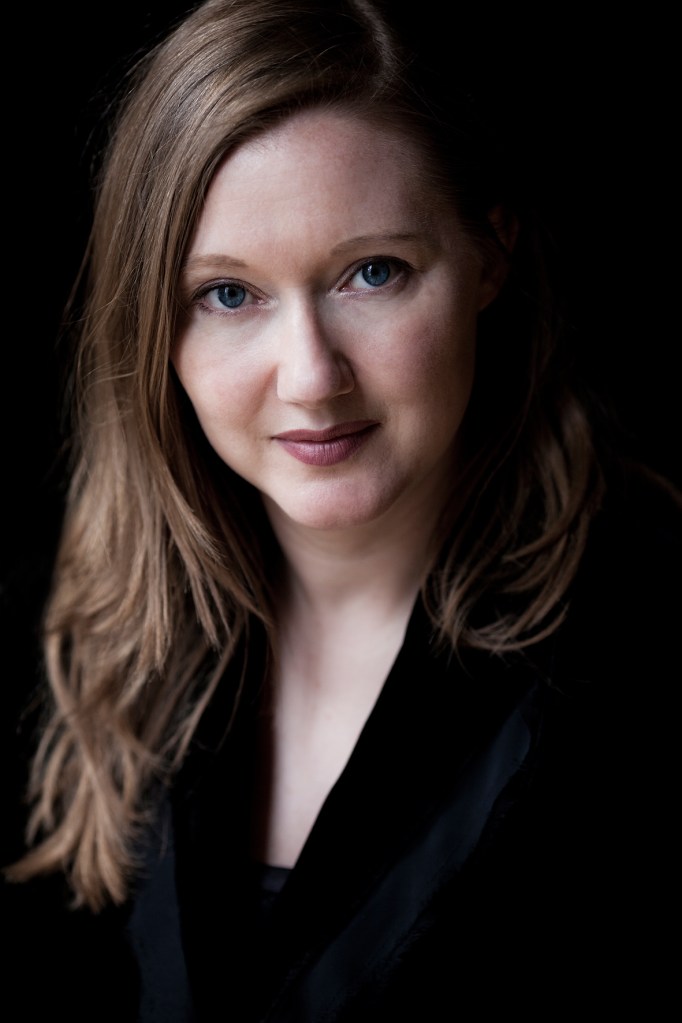
Dorothee Mields

And, in those concerts in the Netherlands in 2019, we got to hear even more Dorothee Mields. In an extra effort to set the audience up with the correct chorale, Alex Potter had her sing Johann Hermann Schein’s setting of Herzlich tut mich verlangen right before the cantata started. Especially in the Nieuwe Kerk in The Hague on Sunday November 3 this was an event: She stood in a very humble location behind the stage, almost tucked into a corner next to the stairs leading up to the pulpit, hidden from view for probably half the audience. Then, during the instrumental introduction to the Bach cantata, she very slowly climbed the stairs to the pulpit, and then sang the chorale from there during the opening aria. It was as Bach intended: to die for.

I mentioned before that Herzlich tut mich verlangen is also referenced in the tenor aria. It is not just with the word “Verlangen” in the text, but also with the “figura suspirans” (or longing in the music, as explained in the organ video of Matthias Havinga mentioned above) that is present here too, in the tenor part as well in the violin part. The effect Shunske Sato’s longing style of playing had on Thomas Hobbs’ singing in this aria was out of this world. Thomas Hobbs really needs a shout-out for his role in this All Souls production, even though I’m writing this so long after the fact. I’ve seen him several times in concerts with Herreweghe, and his stage presence has always been an inspiration to me, but I was especially impressed by his singing in these performances. The way he sang the sentence “Der blasse Tod ist meine Morgenröte” in the tenor recitative of Cantata 161 was unrivaled. And in the first half of the program, Hobbs and his laser-beam long notes were the star of Rosenmüller’s Dies Irae and the Gregorian Requiem that preceded it.

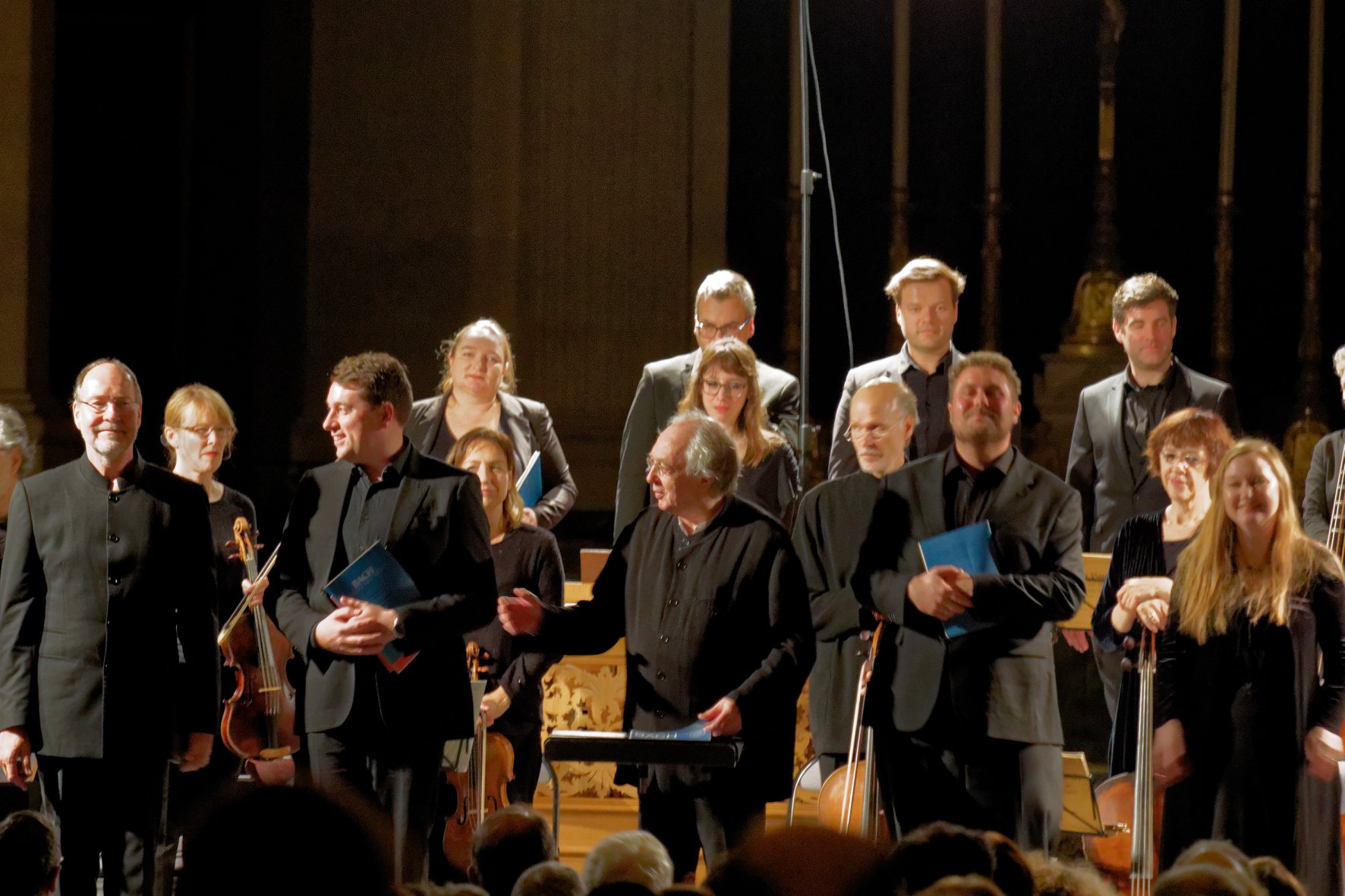
Alex Potter receiving applause in Naarden, October 31, 2019. To Potter’s right: tenor Thomas Hobbs, recorder player Benny Aghassi, and soprano Dorothee Mields.
Photo by Hans van der Woerd, courtesy of The Netherlands Bach Society.

Wieneke Gorter, September 26, 2020, updated September 22, 2023

* Since I first heard Alex Potter live in 2018, I have written many posts about his extraordinary interpretations of Bach’s music. You can find most of them by typing Alex Potter into the search bar at the top of this post. The top three, in my humble opinion, are here, here, and here.

** Find the video of the entire organ prelude (BWV 727) here.

***Bach illustrates death bells in instrumentation, often using flutes, but sometimes only pizzicato strings, in cantatas 73, 8, 95, 105, 127, and 198. 

Among Bach’s own favorites: BWV 46 and 102 for Trinity 10

16 Sunday Aug 2020

Posted by cantatasonmymind in 1723 Trinity season special series, Cantatas, Leipzig, Trinity

≈ Leave a comment

Tags

Adolf Bernhard Marx, Alex Potter, Bruges Bach Academy, BWV 101, BWV 102, BWV 103, BWV 233, BWV 235, BWV 46, Carl Philipp Emmanuel Bach, Damien Guillon, Dorothee Mields, Il Gardellino, Lieven Termont, Marcel Ponseele, Marcus Ullman, Mendelssohn, Peter Kooij, Philippe Herreweghe, Telemann, Thomas Hobbs

  • Marcel Ponseele
  • Damien Guillon, photo by Julien Mignot

We don’t have any letters in which Bach writes about his own compositions, so we officially don’t know which ones were his own favorites. But when we see which cantatas he gave a “second life” in another work, and which cantatas were performed by his sons, we can make an educated guess.

Two of these cantatas, Cantata 46 Schauet doch und sehet, ob irgend ein Schmerz sei (from 1723) and Cantata 102 Herr, deine Augen sehen nach dem Glauben! (from 1726), were written for this Sunday, the 10th after Trinity.

Bach gave the opening chorus from Cantata 46 Schauet doch und sehet, ob irgend ein Schmerz sei a second life in the Qui Tollis in his Mass in B minor. Find a YouTube video of just that opening chorus, from Herreweghe’s performance at the 2013 Saintes Festival in France, here. Find my post from 2016 about this cantata, with links to translations, score, and my favorite recording here.

Cantata 102 Herr, deine Augen sehen nach dem Glauben! received even more second lives (see table below), and was performed at least twice in Hamburg by Bach’s second surviving son, Carl Philipp Emmanuel Bach. My favorite performance of this cantata was the one by Herreweghe I attended in January 2018 at the Bruges Bach Festival, with Dorothee Mields, Alex Potter, Thomas Hobbs, and Peter Kooij. Alas there is no recording of this. Of all recordings currently available, my favorite is here on YouTube, by oboist Marcel Ponseele’s Ensemble Il Gardellino, with Damien Guillon, countertenor; Marcus Ullman, tenor; and Lieven Termont, bass. Especially the Aria Weh der Seele, die den Schaden by countertenor Damien Guillon and oboist Marcel Ponseele (both pictured at the top of this post) is to die for, and this combination of singer and oboist is simply unrivaled by any other recordings.

Find the texts & translations of Cantata 102 here, and the score here.

Movement from Cantata 102Movement in later work
Opening chorusOpening chorus of the Missa Brevis in g minor, BWV 235
Alto ariaSoprano aria “Qui tollis peccata mundi” of the Missa Brevis in F Major, BWV 233
Tenor ariaAlto aria “Quoniam to solus sanctus” of the Missa Brevis in F Major, BWV 233

A little more about the early “revival” of this cantata by Carl Philipp Emmanuel Bach. In 1768, C.Ph.E. Bach succeeded Telemann as music director of the five largest churches in Hamburg, and remained in that position until his death in 1788. As such, he performed a handful of his father’s cantatas, albeit with adaptations. In 1776 or 1777 as well as in 1781, he performed Cantata 102 Herr, deine Augen sehen nach dem Glauben!

Adolf Bernhard Marx

These early “promotions” of this cantata must have inspired more performances or at least discussions about them, and eventually this composition along with some other cantatas likely reached the circle around Mendelssohn. In 1830, shortly after Mendelssohn’s Berlin revival of Bach’s St. Matthew Passion in 1829, Adolf Bernhard Marx published three Bach cantatas BWV nrs 101, 102, and 103. It was the firsts time since 1709 that a Bach cantata appeared in print.

Wieneke Gorter, August 16, 2020.

Alex Potter and Julia Doyle – 6th Sunday after Trinity

17 Friday Jul 2020

Posted by cantatasonmymind in 1723 Trinity season special series, Cantatas, Chorale cantatas 1724/1725, Leipzig

≈ Leave a comment

Tags

1723, 1724, 1726, Alex Potter, All of Bach, Amandine Beyer, BWV 170, BWV 9, Charles Daniels, J.S. Bach Foundation, J.S. Bach Stiftung, Julia Doyle, Leo van Doeselaar, Marc Hantaï, Netherlands Bach Society, Rudolf Lutz, Trinity 6

soprano Julia Doyle, photo by Louise O’Dwyer

In my opinion, one of the absolute best background videos on AllofBach is the one in which countertenor Alex Potter explains the different layers of solo cantata 170 Vergnügte Ruh, beliebte Seelenlust from 1726. I remember how happy and impressed I was when I first found this video. So instead of offering you my own discussion, I suggest you watch Alex Potter’s here on YouTube.

Then watch the excellent and moving live performance of this cantata by Alex Potter with the Netherlands Bach Society here on YouTube.

A lot more information, including the German text with English translations, a list of all participating instrumentalists, the staff that made this beautiful document possible, and a short but insightful interview (in text only) with organist Leo van Doeselaar, can be found here on AllofBach.

Bach’s first two cycles in Leipzig didn’t include a cantata for this Sunday (the 6th after Trinity). My speculations for why this might have happened in 1723 are mentioned in this blog post. For 1724, it is very likely that Bach never wrote a cantata that year for this Sunday. Because later in his life, Bach most probably wrote Cantata 9 Es ist das Heil uns kommen her for this moment in the church year, in an effort to fill the gaps within his 1724/1725 chorale cantata cycle.

There’s a wonderful live performance of Cantata 9 on YouTube, by the J.S. Bach Foundation under direction of Rudolf Lutz. Watch it here. My favorite part of this cantata is the glorious duet Herr, du siehst statt guter Werke, beautifully sung by soprano Julia Doyle and alto Alex Potter. I love how well their voices and singing style match for this! This performance also features exquisite music-making by flutist Marc Hantaï, violinist Amandine Beyer, and tenor Charles Daniels.

Wieneke Gorter, July 17, 2020.

Trombones and altos from heaven (a guide to BWV 2)

26 Thursday Mar 2020

Posted by cantatasonmymind in Bach's life, Cantatas, Chorale cantatas 1724/1725, Leipzig, Trinity

≈ Leave a comment

Tags

Alex Potter, BWV 12, BWV 135, BWV 172, BWV 18, BWV 182, BWV 2, BWV 20, BWV 21, BWV 7, chorale cantata, cornetto, Eduard van Hengel, Georg Poplutz, J.S. Bach Foundation, J.S. Bach Stiftung, Luther, Markus Volpert, Psalm 12, Renate Steinmann, Rudolf Lutz, Trinity 2, trombone

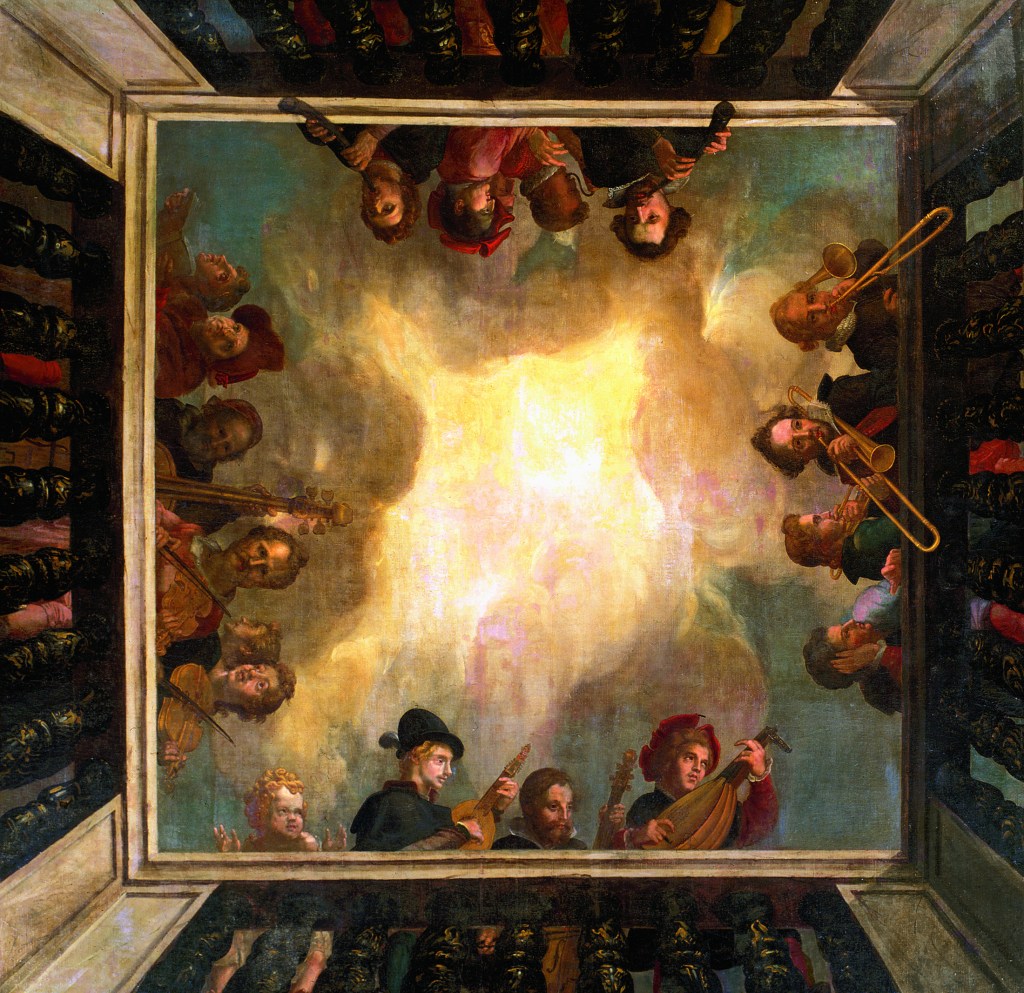
Ceiling painting installed around 1700 in Christian V’s Hall in Rosenborg Castle, Denmark. Possibly by Reinhold Timm, ca. 1620, originally for for a music pavilion in Kongens Have. *

Yesterday, Wednesday March 25, 2020, the J.S. Bach Foundation published their live video recording of Cantata 2 Ach Gott, vom Himmel sieh darein (Please God, look down from Heaven) on their YouTube channel. I thought it might be nice to provide a listening guide to go with this performance.

I love this cantata because it has trombones in the orchestra, doubling the choir parts, and because the altos have the cantus firmus (=they sing the chorale melody in long notes) in the opening chorus, which sounds incredibly good, and is unique within Bach’s writing.

Find the video recording by the J.S. Bach Foundation here on YouTube. Soloists are Alex Potter, alto; Georg Poplutz, tenor; and Markus Volpert, bass.

Find the German texts with English translations here, and the full score here.

This cantata was the second in Bach’s 1724 series of Chorale Cantatas. He most probably intended for the first four cantatas in that series to form a set, or at least to present some kind of order,  if you look at the composition form of the opening movement, and which voice has the cantus firmus of the chorale tune in that chorus:

  1. Cantata 20 O Ewigkeit, du Donnerwort: French Overture, with cantus firmus in the soprano (find my blog post about this cantata here)
  2. Cantata 2 Ach Gott, vom Himmel sieh darein: Chorale motet, cantus firmus in alto (the cantata discussed here)
  3. Cantata 7 Christ unser Herr zum Jordan kam: Italian concerto, cantus firmus in tenor. (find my blog post about this cantata here)
  4. Cantata 135 : Ach Herr, mich armen Sünder: Chorale fantasia, cantus firmus in bass. (find my blog post about this cantata here)

We know that Bach liked to use order and symmetry when he wanted to impress other people with a composition. But perhaps he was also thinking of his legacy. When he started composing cantatas at the Weimar court in 1714, albeit on a monthly instead of weekly basis, his first four cantatas formed a similar portfolio of composition styles in the opening choral movements:

  1. Cantata 182 Himmelskönig, sei wilkommen: Choral fugue
  2. Cantata 12 Weinen, klagen, sorgen, zagen: Passacaglia
  3. Cantata 172 Erschallet, ihr Lieder, erklinget, ihr Saiten!: Concerto
  4. Cantata 21 Ich hatte viel Bekümmernis: Motet.

Back to this Cantata 2 Ach Gott, vom Himmel sieh darein (Please God, look down from Heaven), and what to listen for.

Opening chorus:

The chorale, based on Psalm 12, is by Luther. For an idea what Luther’s original song would have sounded like, you can watch this video. For readers who understand German: Eduard van Hengel’s website (in Dutch) has a very insightful overview of the original German text of Psalm 12, the text of Luther’s chorale, and how Bach’s librettist changed that into the text for the cantata.  You can find it here.

When Bach uses a chorale by Luther in a cantata, he often demonstrates his reverence for the father of his faith by using the archaic form of chorale motet as opening chorus combined with the equally archaic trombone quartet (1 cornetto and 3 trombones) to double the choir parts.**

Giving the cantus firmus to the altos is however not something Bach does very often. If only he had! In this case it is especially wonderfully orchestrated, with doubling by one trombone, two oboes, and all second violins. Both on this video recording by the J.S. Bach Foundation as well on the Herreweghe audio recording I recommended back in 2017, Alex Potter’s voice significantly enhances this winning blend of alto voices and instruments, and on this J.S. Bach Foundation video recording he also sings the beautiful alto aria. It definitely made my day yesterday.

Alto aria:

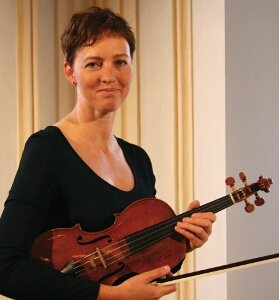
Bach alto and tenor arias are at their prettiest, I find, when they are written as a trio sonata, and the alto aria Tilg, o Gott in this cantata is a beautiful example of that. Wonderful singing and playing by alto Alex Potter and violinist Renate Steinmann. The aria is a plea for help in fighting the “Rottengeister,” or the sectarians amidst the Lutherans. When the alto starts singing the word “Rottengeistern,” we realize we had heard this word already many times in the triplets of the violin part. As Eduard van Hengel says, it is the “popular easy talk of the sectarians, and that is also the reason why the other two parts don’t have this motive” [to further illustrate the schism].

Renate Steinmann, violin and Alex Potter, alto. Photo of Alex Potter by Annelies van der Vegt.

Bass recitative:

Definitely keep the text & translations handy for this one, because this movement contains a wealth of text illustrations in the music. On the word Armen  (the poor) sounds a sorrowful diminished seventh, the word seufzend (sighing) has a rest/sigh in the middle of the word, and more such things happening on the words Ach (sighing) and Klagen (complaining). In contrast to this, a few lines later, the chord on the word Gott (God) sounds open and liberating, after which God himself gets to speak, and the music turns to an arioso (similarly to how Bach does that in his much earlier Cantata 18 when God speaks). At the word heller Sonnenschein (bright sunshine) the light gets turned on in the music too: the harmony changes to C Major.

Tenor aria:

Here we have arrived at the solution/salvation part of the cantata, and so this music is more pleasant, easier to listen to. But Bach is still preaching: there are some crossing (!) lines in the music, and in the middle section, which tells the listeners to be patient (sei geduldig) and Bach stresses the words Kreuz und Not.

With many thanks to Eduard van Hengel and Rudolf Lutz for their explanations of this cantata,

Wieneke Gorter, March 26, 2020.

*more information about this painting and the other objects in Christian V’s Hall in Rosenborg Castle can be found here.

**The best examples of this are cantatas 2, 25, 38, and 121.

One more St. John Passion to watch today, available until April 13, 2020

15 Sunday Mar 2020

Posted by cantatasonmymind in Leipzig

≈ 1 Comment

Tags

Alex Potter, Bruges, BWV 245, Collegium Vocale Gent, Dorothee Mields, Julian Pregardien, Krezimir Strazanac, Peter Kooij, Philippe Herreweghe, Reinoud van Mechelen, St. John Passion

Pilate washing his hands by Bernhard Strigel, circa 1500. The Walters Museum, Baltimore, USA.

Another St. John Passion to watch today! Available until April 13, 2020: Collegium Vocale Gent’s / Herreweghe’s dress rehearsal of the St. John Passion from Bruges, March 13.

After this rehearsal, their entire St. John tour as well as St. Matthew tour was canceled. For Baroque musicians in Europe, this time of year, with the Bach passions, is when they earn most of their money. The link to the video also includes info on how to donate to Collegium Vocale Gent, who will make sure the money is divided equally over the musicians who are otherwise not getting paid for this long period.

This starts with French text on the website, but rest is in English. https://www.collegiumvocale.com/en/


Julian Prégardien, tenor-evangelist
Krezimir Strazanac, bass-Christ
Dorothee Mields, soprano
Alex Potter, countertenor
Reinoud Van Mechelen, tenor
Peter Kooij, bass

Romina Lischka, viola da gamba

Find the German texts with English translations here, and the score, in two parts: part 1 here, and part 2 here.

Again, I urge you to support all musicians suffering enormous loss of income during this difficult time. Donate at least the money you would otherwise have spent on tickets to their performances, but if you can, give more. Take care of each other, please take social distancing seriously, keep going for walks if allowed, check in on your elderly neighbors, and wash. your. hands.

Wieneke Gorter, March 15, 2020, updated March 21, 2020.

Memorable for at least 47 days. Leave it to Alex Potter.

22 Saturday Feb 2020

Posted by cantatasonmymind in Cantatas, Leipzig

≈ 1 Comment

Tags

Alex Potter, bwv 127, BWV 159, BWV 22, BWV 23, Dorothee Mields, Estomihi, Jan Kobow, Matthew White, Miriam Feuersinger, Netherlands Bach Society, Peter Kooij, Philippe Herreweghe, Stephan MacLeod, Thomas Hobbs

Between Estomihi Sunday (or the last Sunday before Lent) and Good Friday, there were 47 days in 1729. During that entire time the Leipzig congregations would hear no music in the churches, except for chorales. So Bach’s last music had to be as memorable as possible, had to give them hope, and ideally also prepare them for the St. Matthew Passion they would get to hear on Good Friday.

Bach successfully checked all these boxes with Cantata 159 Sehet! wir gehn hinauf gen Jerusalem. And leave it to alto Alex Potter to bring all this out in a performance. Opera-like drama, heart-breaking emotion, the promise of hope and redemption, it is all there in his singing, and in that voice with the beautiful variety of colors.

Listen to / watch the performance by the Netherlands Bach Society here on YouTube. Soprano: Miriam Feuersinger; Alto: Alex Potter; Tenor: Thomas Hobbs; Bass: Stephan MacLeod. Read some comments by Alex Potter on this cantata here on the AllofBach website.

Find the German texts with English translations here, and the score here.

The Herreweghe recording deserves a mention here too. Dorothee Mields’ singing in the duet with Matthew White is very moving, and Peter Kooij’s interpretation of the bass aria “Es ist vollbracht” on this recording is unrivaled. Find that recording here on YouTube, but better yet, support the artists and purchase the entire album Jesu, deine Passion here on Amazon or here on iTunes. It contains all four cantatas Bach wrote for this Sunday, and they are all excellent. Read more about Cantatas 127, 22, and 23 in my blogpost from 2018 here.

Wieneke Gorter, February 22, 2020, updated February 13, 2021.

Sweet soprano consolation for Third Christmas Day 1725, or “the one with the dirty baby”

26 Thursday Dec 2019

Posted by cantatasonmymind in Cantatas, Christmas, Leipzig

≈ Leave a comment

Tags

Alex Potter, BWV 151, Charles Daniels, Christmas 3, flute, Frank Theuns, Jos van Veldhoven, Maria Keohane, Matthias Winckhler, soprano

The Nativity of Christ, by Federico Barocci, ca. 1590. Museo del Prado, Madrid, Spain.

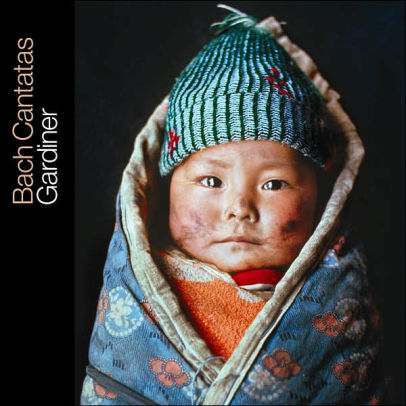
Sometime in the first decade of this century, after I had already moved to the USA, my mother acquired Gardiner’s Christmas Cantatas CD from 2000 (Volume 15 of the Cantata Pilgrimage CD series). I remember that every time a Bach lover came to visit they were urged to listen to the soprano aria from this CD. Among my mother, her sisters, and my grandma, this CD became known as “the one with the dirty baby.” (or as they said in Dutch “die met het vieze kindje”). At some point my mother allegedly said to them that this particular recording should be played at her funeral. Listen a bit to that Gardiner recording of Cantata 151 Süsser Trost, mein Jesus kömmt with Gillian Keith, soprano, and Rachel Beckett, flute, here on YouTube. Just listen for a little bit, because a much better recording of this cantata is coming up in this post! When the time came (much sooner than anyone in the early 2000s could have thought) to plan my mother’s funeral, we were blessed with a live performance, not a recording, I personally didn’t remember the “dirty baby” story that vividly, and we opted for another aria instead (read more about that here).

I don’t remember ever hearing anything more from the CD with the dirty baby than this one aria, and I never ever realized it was from a cantata for the Third Day of Christmas. (Read here why I didn’t know any other cantatas for the Third Day of Christmas than the third cantata from the Christmas Oratorio.)

Swedish soprano Maria Keohane

Fast forward to last week, when I was researching new live video recordings for Cantata 110 for Christmas Day, and discovered that the Christmas concert by the Netherlands Bach Society from 2015 also featured this Cantata 151, and that Maria Keohane does an absolutely beautiful job singing that opening movement. I also enjoy all the other soloists. Watch this live recording here on YouTube. Soloists are Frank Theuns, flute; Maria Keohane, soprano; Alex Potter, alto; Charles Daniels, tenor; and Matthias Winckhler, bass. Interestingly, Maria Keohane has recorded this cantata on video with two other ensembles: Concerto Copenhagen and Ricercar Consort. Those other performances are good too, but I very much prefer the performance and the camera work on this one with the Netherlands Bach Society.

Find the text of Cantata 151 Süsser Trost, mein Jesus kömmt here, and the score here.

Wieneke Gorter, December 26, 2019.

Bach and the Christmas Day message

24 Tuesday Dec 2019

Posted by cantatasonmymind in Bach's life, Cantatas, Christmas, Leipzig

≈ 2 Comments

Tags

Alex Potter, Bachvereniging, BWV 110, Charles Daniels, Christmas 1, Christmas Day, Grote Kerk Naarden, Jos van Veldhoven, Maria Keohane, Matthias Winckhler, Netherlands Bach Society

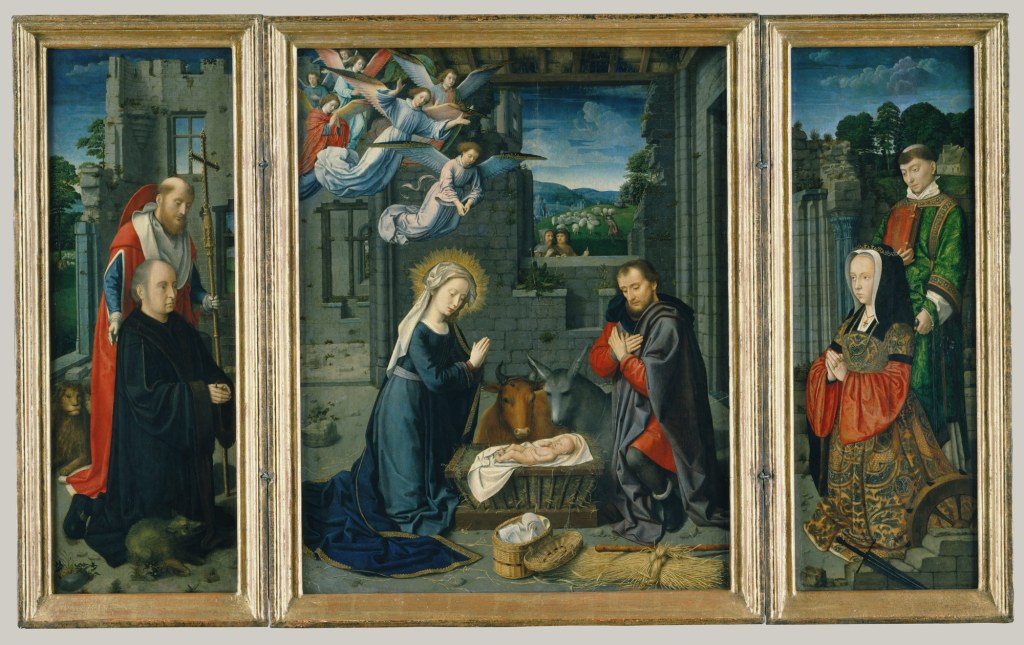
The Nativity with Donors and Saints Jerome and Leonard, by Gerard David, ca. 1510-15. Metropolitan Museum of Art, New York. More information about this painting can be found here.

On this blog I have shared only two of Bach’s compositions for Christmas Day so far: Cantata 91 from 1724 here, and of course the first cantata from the Christmas Oratorio (our family’s “wake-up call” on Christmas morning) from 1734 here. But Bach wrote at least three more cantatas for this day, as well as his Magnificat.

Today I’d love to share Cantata 110 Unser Mund sei voll Lachens (May our mouth be full of laughter) from 1725. Find The Netherlands Bach Society’s live recording of this cantata here on YouTube.

Find the text with English translations here, and the score here.

This live video registration has an abundance of Christmas presents for me: the festive setting of the Grote Kerk in Naarden; soprano Maria Keohane in a Scandinavian Christmas dress and truly enjoying herself; tenor Charles Daniels, always a delight; a promising new young bass, Matthias Winckhler, who can actually sing every note of the enormously challenging bass aria in this cantata; and the best gift of all: Alex Potter singing the alto aria, which to me is the most moving part of this cantata, and also the core message Bach wanted to communicate to his fellow believers on this Christmas Day in 1725.

Alex Potter. Photo by Annelies van der Vegt.

For the joyous opening of this cantata, Bach re-uses his Orchestral Suite no. 4 in D major (BWV 1069) to grandly illustrate the “arrival” of Jesus. In the center of the cantata, after the festivities of the opening chorus, but before the very pretty Christmas-y “Glory to God in the highest” soprano-tenor duet, and an impressive bass aria with trumpet, the music goes into a minor key, and also turns inward, in the alto aria. The text of that alto aria is as follows:

Ach Herr, was ist ein Menschenkind,
Ah, Lord, what is a child of man
Dass du sein Heil so schmerzlich suchest?
that you should seek his salvation with so much pain?
Ein Wurm, den du verfluchest,
A worm whom you curse
Wenn Höll und Satan um ihn sind;
when hell and Satan are around him;
Doch auch dein Sohn, den Seel und Geist
but also your son, whom soul and spirit
Aus Liebe seinen Erben heißt.
Through love call their inheritance.

Of course this text refers to the believers in general, that on the one hand they are worms, and on the other hand will be saved by Jesus. but I feel the choice of the word “Menschenkind” is not a coincidence. It definitely also refers to the the fact that Jesus can’t just stay in the godly realm, but in order to be a true savior, he has to come to earth, become man, and go through all the rotten reality that might imply. This theme appears more or less prominently in all Bach’s cantatas for Christmas Day, and in this cantata 110 it is already announced in the tenor aria:

Er wird Mensch, und dies allein,
He has become man, and this only
Dass wir Himmels Kinder sein.
so that we may become children of heaven.

Nine years later, in the first cantata of his Christmas Oratorio, Bach also stresses this “coming to earth” and “becoming man” of Jesus on this first Christmas Day, in what is also the most moving and inward-looking part of that particular cantata: the soprano-bass duet. The text Bach gives to the bass in that duet is as follows. Note the last line.

Wer will die Liebe recht erhöhn,
Who will rightly extol the love
Die unser Heiland vor uns hegt?
that our Saviour cherishes for us?
Ja, wer vermag es einzusehen,
Indeed, who is able to realise
Wie ihn der Menschen Leid bewegt?
how he is moved by human suffering?
Des Höchsten Sohn kömmt in die Welt,
The highest’s son came into the world
Weil ihm ihr Heil so wohl gefällt,
because its salvation pleases him so well
So will er selbst als Mensch geboren werden.
that he himself is willing to be born as a man.

Merry Christmas!

Wieneke Gorter, December 24, 2019

The Shining Star of the Netherlands Bach Society

04 Wednesday Dec 2019

Posted by cantatasonmymind in Advent, Cantatas, Leipzig, Trinity, Weimar

≈ Leave a comment

Tags

16th Sunday after Trinity, Alex Potter, All of Bach, All Souls, Bachvereniging, BWV 161, BWV 36, Grote Kerk Naarden, Hans van der Woerd, Marco Borggreve, Netherlands Bach Society, Nieuwe Kerk Den Haag, Shunske Sato, St. Matthew Passion, The Hague, Thomas Hobbs, Zsuzi Tóth

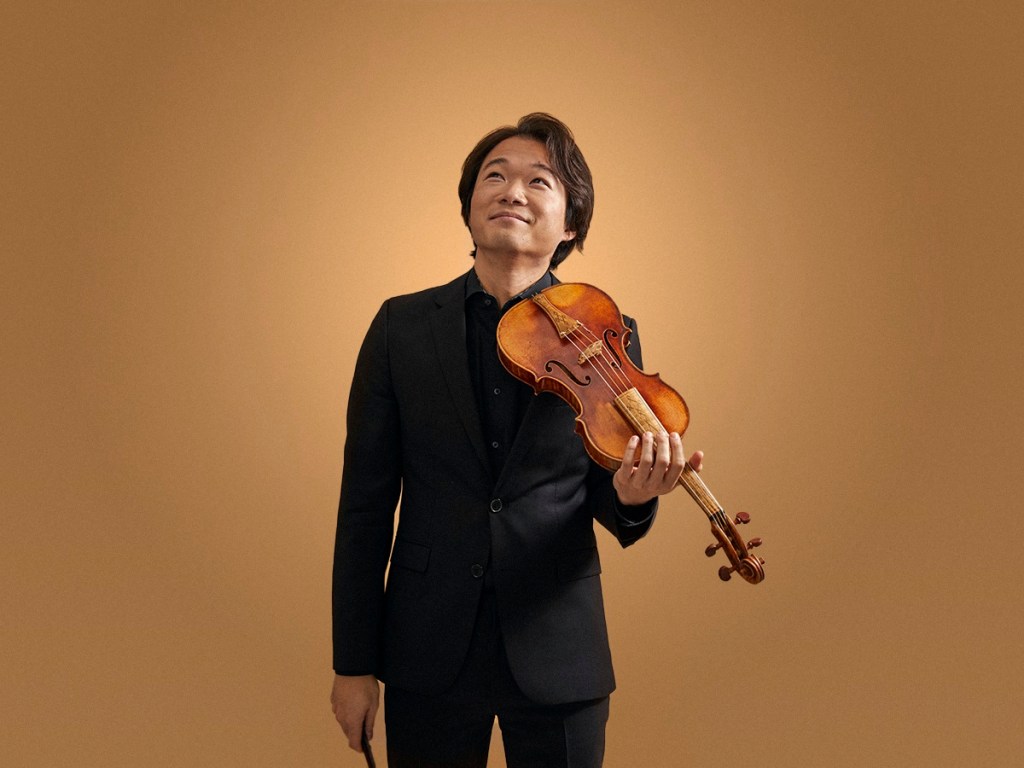
Shunske Sato, concertmaster since 2013 and artistic director since 2018 of the Netherlands Bach Society. Photo by Dana van Leeuwen.

To find the Weekly Cantata Advent Calendar, please click here.

Several people have asked me what made me start writing for this blog again. The answer is simple: Shunske Sato’s violin playing in the “Mein Verlangen” tenor aria from Cantata 161 Komm, du süsse Todesstunde. I had already heard that Sato was “a good one” from people with authority on the matter, and had enjoyed listening to his recordings, but it took these live concerts to experience the magic that happens when he is a soloist in a Bach aria.

During a visit to my home country, the Netherlands, I attended the Netherlands Bach Society’s “All Souls” concerts on October 31 in the Grote Kerk in Naarden and on November 3 in the Nieuwe Kerk in The Hague. I had been unsure how to talk about these concerts in the framework of this blog, especially now that it’s more than a month ago and we’re in Advent already (yes there is Advent music in this post, please keep reading) and there is no recording of these concerts.

Solo sonatas and partitas on All of Bach

But it turns out that this week is the perfect time for a spotlight on Shunske Sato, because this Thursday December 5, 2019, the Netherlands Bach Society will publish the final episode of his series of solo violin sonatas and partitas on All of Bach, their online video archive of Bach performances. Just click on this link and the entire series is right there, under “recently added.”

Sato was appointed concertmaster of the Netherlands Bach Society in 2013, and became their artistic director in June 2018. For the concerts I attended, he was concertmaster only, having invited alto Alex Potter to program and lead this production. (Alex Potter deserves a blog post too, but that will come later). By inviting a different guest director for each program, Sato has breathed fresh air into the he group of musicians I feel.

Instead of the standard biographies, the program booklet featured personal stories from Sato and the four vocal soloists. As a person who’s produced many program books in her lifetime, I felt this was a breath of fresh air too. And as a mom of two teenagers who are finding their way through school and life, I especially liked this part from Sato’s story:

“Things got tricky in my teens: I began spending lots of time away from school playing concerts, and my grades at school were impressively low (except for French and Maths).  Giving up on school, I often spent my weekdays at my favorite bookstore instead and read about history, computer programming and linguistics, and composed string quartets.  Saturdays always came as a relief: classes and lessons at the Juilliard School in New York, where hung out with my “real” friends.”

Playing Weimar style

Back to what happened in the concert in Naarden on October 31. For this entire program, the violinists were playing one-on-a-part, the same way it was probably done in Weimar, where Bach first performed Cantata 161 on the small organ loft in 1716. This meant that Sato was thus the instrumental soloist in the tenor aria “Mein Verlangen,” and with the rest of the ensemble completely in sync with him, he could truly do his own thing.

And then there was light

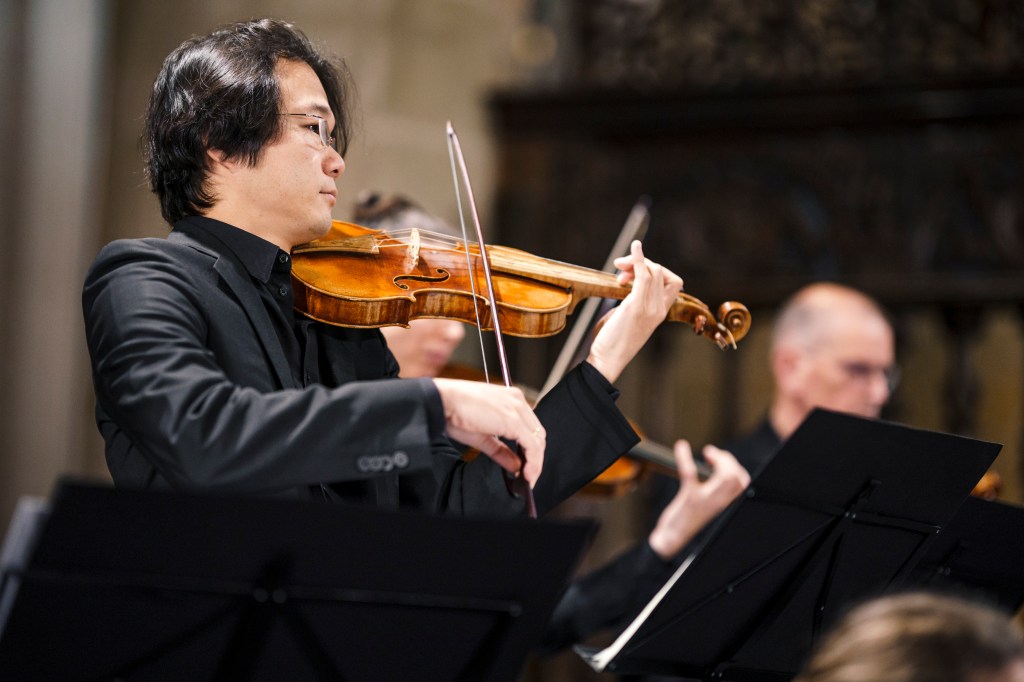
Shunske Sato in Naarden, October 31, 2019. Photo by Hans van der Woerd, courtesy of The Netherlands Bach Society.

And boy, did he do that! Every time he played the “Mein Verlangen” theme, he stretched the tempo just a little bit, every time slightly differently. It created a halo over the entire aria. Even though the tenor wasn’t singing yet, the text was already there: the longing (“Verlangen”) but also the pure radiance (“reiner Schein”) of the soul and the image of angels. He truly brought light into the music, and also for me personally into my heart and mind. It made all my frustrations and worries melt away, and it made the other instrumentalists play and tenor Thomas Hobbs sing with even more inspiration than they already had in this concert.

“The more I let go, the more I risk, the more I dare to really tell the story”

Witnessing Sato communicate the text of the aria before the singing started, I was immediately reminded of this wonderful interview with him for All of Bach. It is specifically about the “Erbarme dich” aria from the St. Matthew Passion, but his message “The more I let go and the more I risk, the more I dare to really tell the story…” applies just as well to this aria that I saw him play.

I went to the “All Souls” concert again three days later in the beautiful concert venue the Nieuwe Kerk has become. Sato’s playing there was possibly even more moving and the effect on those on stage and in the audience possibly stronger too. Several people had tears in their eyes.

Watch for yourself in this Advent aria

See the “Sato magic” happen in the soprano aria from Cantata 36 Schwingt freudig euch empor on All of Bach, with soprano Zsuzsi Tóth. Never did I enjoy a “da capo” this much. To read more about this cantata, the third one Bach wrote (or adapted) for the first Sunday of Advent, read my blog post from 2017 here.

With special thanks to Marloes Biermans and Annelie Bulsing of the Netherlands Bach Society for their generosity in providing photos and copy for me to use,

Wieneke Gorter, December 3, 2019.

To find the Weekly Cantata Advent Calendar, please click here.

Paintings, praises, and a possible prelude to the St. Matthew Passion

03 Saturday Feb 2018

Posted by cantatasonmymind in Bach's life, Cantatas, Chorale cantatas 1724/1725, Leipzig

≈ Leave a comment

Tags

Alex Potter, Bruges Bach Academy, BWV 105, BWV 125, BWV 234, BWV 46, Candle Mass, cello, Collegium Vocale Gent, Dorothee Mields, Eglise St. Roch, floating aria, flute, Ingeborg Danz, oboe da caccia, organ, Peter Kooij, Philippe Herreweghe, Presentation at the Temple, Purification of Mary, strings, Thomas Hobbs

triptych-of-jan-floreins-1479

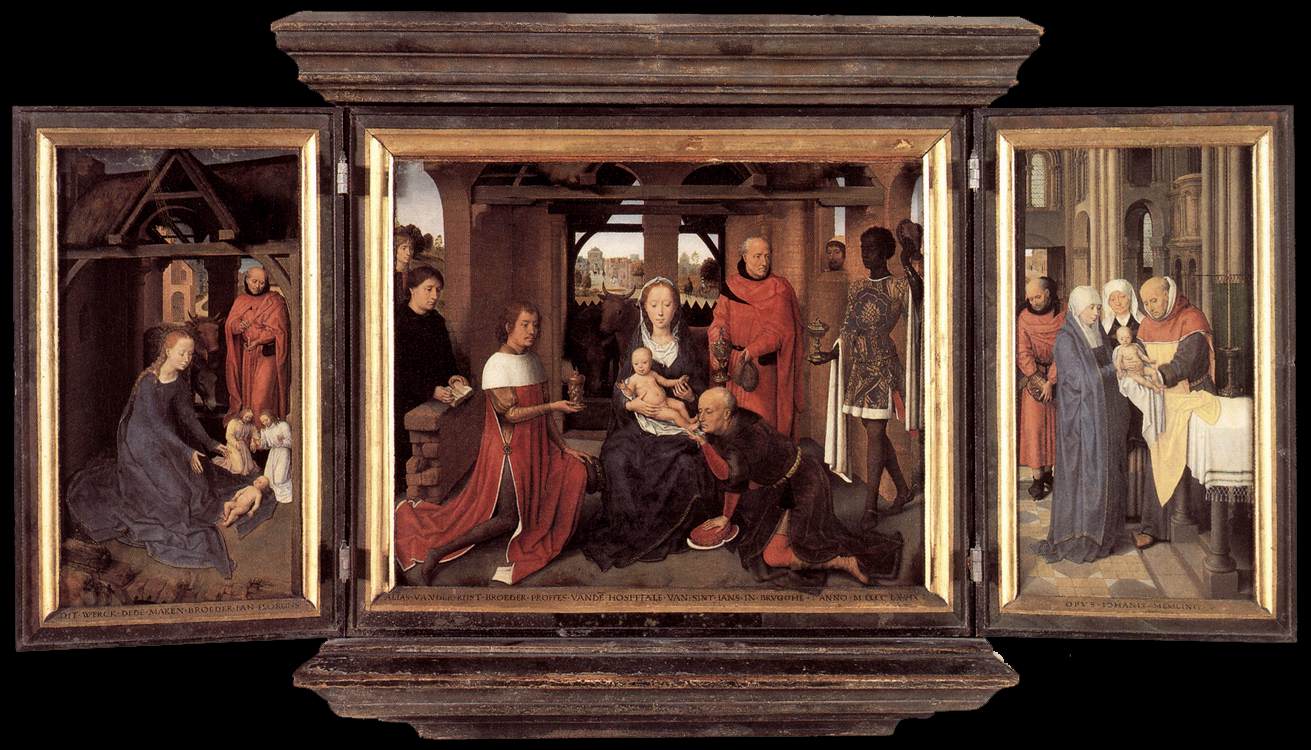
“Adoration of the Magi” triptych of Jan Floreins by Hans Memling, 1479. Memling Museum (Old St. John’s Hospital), Bruges, Belgium. The right-hand panel features “The Presentation at the Temple,” with the Temple really being the former St. Donaas church in Bruges.

If you are reading this in the email you received from WordPress, please click on the title of this post to enjoy the paintings and the formatting 🙂

This post is almost two days late, as it was for Friday February 2, the feast of the Purification of Mary, or Candle Mass, or Presentation at the Temple. If you have time, please read how this holiday was strongly connected to folk culture in my post from last year. In Lutheran reality, this was the day when Simeon’s song of praise Herr, nun lässest du deinen Diener in Friede fahren  or Nunc Dimittis was celebrated. With his chorale Mit Fried und Freud ich fahr dahin Luther turned Simeon’s song of praise into a message of “Now I can die in peace.” This is why all five cantatas (The famous Ich habe genug 82, 83, 125, 157, and 158) Bach wrote for this holiday are mostly about the joy of dying.

Since I’m following Bach’s chorale cantata writing in Leipzig in 1725, I’m featuring Cantata 125 Mit Fried und Freud ich fahr dahin, written for February 2 of that year, and based on that same chorale by Luther.

My favorite overall recording of this cantata is Herreweghe’s recording from 1998, with Ingeborg Dantz, alto; Mark Padmore, tenor; and Peter Kooij, bass. You can find it here on YouTube. Please consider supporting the artists by purchasing the album on Amazon or on iTunes. It also includes the stunning Cantata 8 (Herreweghe’s personal favorite!) and the beautiful Cantata 138.

Please find the German text with English translations of this cantata here, and the score here.

There are some similarities with last week’s cantata, such as the bass solo that is made up of bits of recitative and bits of chorale melody, but already in the opening chorus a new day is dawning. If you read the history of today’s holiday in my post from last year, you know that Candle Mass was a natural time of year to start with something new.

Could the new inspiration in Bach’s brain be the St. Matthew Passion? It is not unlikely at all. Van Hengel suggests that the opening chorus has elements of the St. Matthew opening chorus, but then argues that that piece was not written yet in 1725. However, Gardiner (in his book Music in the Castle of Heaven) makes a strong case that Bach might have initially planned to have the St. Matthew Passion ready for Good Friday 1725. I’ve pointed out before that we can find preludes to the “Great Passion” in Bach’s cantatas as far back as the fall of 1723 (see posts about cantatas 105 and 46), so it is not unlikely that Bach was working on this in January 1725.

Keeping all this in mind, it is striking that the first aria after the opening chorus is an alto aria in St. Matthew style, full of pietism. Watch Alex Potter (keep reading to find out more about him) sing this aria with the J.S. Bach Foundation here on YouTube. The instrumentation resembles the “Aus Liebe” soprano aria from the St. Matthew Passion: there are no organ chords in the bass, only repeated cello notes, and for the rest it is just flute and oboe da caccia, an unusual combination.

Because of the  many connections with this Cantata 125 I’m now going to sneak in a mini review of the Herreweghe/Collegium Vocale concerts I attended in Europe this past week.

paris_1-30_concert

Applause at the end of the concert in the Eglise St. Roch in Paris, January 30, 2018. From left to right in front row: Peter Kooij, Thomas Hobbs, Philippe Herreweghe, Alex Potter, Dorothee Mields. Photo by Aube Neau/Luc Barrière, published with permission.

Let’s take the alto aria from Cantata 125. I call this type of aria a “floating aria” because it has no real basso continuo: there is no melodic line in the cello or chords in the organ, i.e. no foundation for the singer to stand on. These floating arias are incredibly beautiful and the stuff of goose bumps, but also incredibly challenging for the vocal soloist. In the terrific concert in Paris on Tuesday January 30, soprano Dorothee Mields had two such arias: the “Qui tollis” from the Mass in A Major (BWV 234)* and the “Wir zittern und wanken” from Cantata 105. She did an absolutely marvelous job in both of them, but her singing was the most mesmerizing in the “Wir zittern und wanken” aria. Cantata 105 stood out during that Paris performance anyway in my humble opinion. It simply has the best opening chorus of all cantatas Collegium Vocale performed in the three concerts I attended. On top of that, the group (including soloists Thomas Hobbs and Peter Kooij) recorded this in 2012, and you could tell it was still in everyone’s bones and it was a pleasure to see Herreweghe direct the strings as well as the soloists. One of my favorite bass ariosos occurs in that cantata (it makes me think of the “Am Abend da es kühle war” from the St. Matthew) and Peter Kooij’s strong rendition almost made me cry.

memling_presentation_temple_floreins

Detail of right-hand wing of the “Adoration of the Magi” Jan  Floreins triptych by Hans Memling, showing the Presentation at the Temple, or Mary presenting Jesus to Simeon

And then on to countertenor Alex Potter. It was in Bruges’ St. John’s Hospital museum that I saw the Memling painting featured in this post, and this is also where I ran into Alex Potter and was able to tell him how much I enjoyed his singing on Friday January 26. During the concert in Paris on January 30 his most impressive performance was the “Quoniam” aria from the Mass in A Major (BWV 234)**, which I heard in Bruges on Sunday January 28 and again in Paris on Tuesday January 30. He had a clear understanding of the text, made the music soar, and seemed to passionately enjoy what he was doing. It was a joy to watch and listen to.

Wieneke Gorter, February 3, 2018.

*originally from Cantata 179 from August 8, 1723.

**originally from Cantata 79 from October 31, 1725.

← Older posts
Newer posts →

Recent Posts

  • “Missa Miniatura” by CONTINUUM/Elina Albach Even More Moving in 2025
  • Bachfest Leipzig 2025
  • Bach Cantatas for Christmas – 1724 and 1734 editions
  • Fourth Sunday of Advent – more insight into Cantata 62 helped me better understand Bach’s Christmas Oratorio
  • Saint Ambrose and Luther in Milan – Second Sunday of Advent

Archives

  • August 2025
  • July 2025
  • December 2024
  • November 2024
  • June 2024
  • January 2024
  • December 2023
  • October 2023
  • September 2023
  • August 2023
  • April 2022
  • February 2022
  • January 2022
  • December 2021
  • November 2021
  • June 2021
  • May 2021
  • April 2021
  • February 2021
  • January 2021
  • December 2020
  • November 2020
  • October 2020
  • September 2020
  • August 2020
  • July 2020
  • May 2020
  • April 2020
  • March 2020
  • February 2020
  • January 2020
  • December 2019
  • November 2019
  • May 2018
  • April 2018
  • March 2018
  • February 2018
  • January 2018
  • December 2017
  • November 2017
  • October 2017
  • September 2017
  • August 2017
  • July 2017
  • June 2017
  • May 2017
  • April 2017
  • March 2017
  • February 2017
  • January 2017
  • December 2016
  • November 2016
  • October 2016
  • September 2016
  • August 2016
  • July 2016
  • June 2016
  • May 2016
  • April 2016
  • March 2016
  • February 2016
  • January 2016

Enter your email address to follow this blog and receive notifications of new posts by email.

Join 338 other subscribers

Categories

  • 1723 Trinity season special series
  • Advent
  • After Easter
  • Ascension
  • Bach's life
  • Cantatas
  • Chorale cantatas 1724/1725
  • Christmas
  • Easter
  • Epiphany
  • Following Bach in 1725
  • Köthen
  • Leipzig
  • Septuagesima
  • Travel
  • Trinity
  • Weimar

Meta

  • Create account
  • Log in
  • Entries feed
  • Comments feed
  • WordPress.com

Website Built with WordPress.com.

  • Subscribe Subscribed
    • Weekly Cantata
    • Join 158 other subscribers
    • Already have a WordPress.com account? Log in now.
    • Weekly Cantata
    • Subscribe Subscribed
    • Sign up
    • Log in
    • Report this content
    • View site in Reader
    • Manage subscriptions
    • Collapse this bar
 

Loading Comments...