Weekly Cantata

Weekly Cantata

Tag Archives: Peter Kooij

Bach Cantatas for Christmas – 1724 and 1734 editions

23 Monday Dec 2024

Posted by cantatasonmymind in Cantatas, Chorale cantatas 1724/1725, Christmas, Epiphany, Leipzig

≈ 4 Comments

Tags

Alex Potter, Antonia Frey, baroque-music, Bart Aerbeydt, Bernhard Bechtold, Carine Tinney, Charles Daniels, Christmas, Christmas Oratorio, Collegium Vocale Gent, Concerto Copenhagen, Daniel Johannsen, Eric Milnes, Florian Sievers, Harry van der Kamp, J.S. Bach Foundation, J.S. Bach Stiftung, Jan Kobow, Julia Doyle, Lars Ulrik Mortensen, Lucia Giraudo, Margot Oitzinger, Maria Keohane, Mark Padmore, Matthew Brook, Matthew White, Milo Maestri, Monika Mauch, Montreal Baroque, Netherlands Bach Society, Peter Kooij, Philippe Herreweghe, Rodrigo Lopez-Paz, Rudolf Lutz, Sarah Connolly, Stephan MacLeod, Tomáš Král, Vasiljka Jezovsek

Merry Christmas! Below are my recommendations for recordings of Bach’s chorale cantatas for the Christmas season, written in 1724/1725, as well as a link to the video of this year’s wonderful live performance by the Netherlands Bach Society of Bach’s Christmas Oratorio, written in 1734/1735. Before I get to that, I wanted to share a personal story. (If you want to “jump to the recipe,” just scroll down three paragraphs to the next header).

As regular readers of this blog know, Christmas morning for me = “Jauchtzet, frohlocket,” the first entrance of Bach’s Christmas Oratorio*. But ten days ago, during the first-ever Christmas Oratorio concert of my life as a chorus member, I couldn’t sing those words.

I had unwittingly set myself up for it, because I had just done two things to remember my late mother. It was very cold in the church, and I had lent one of my mother’s scarves to a friend who was singing next to me. As we were getting on stage, I told her: “this scarf has been in many a Bach concert, because my mother used to sing in a Bach choir too.” And then I showed her how I had copied my mother’s signature from her old piano reduction to the new one I was using now.

So while I had been completely fine during all the rehearsals, now with the audience there and those memories, the first notes of the timpani made me choke up. Fortunately, that first soprano entrance is low and doubled by many other voices, so nobody noticed. And I was fine for the rest of the concert, and thoroughly enjoyed getting to sing cantatas 1, 2, 5, and 6 of Bach’s Christmas Oratorio with a good orchestra and great soloists.

Do you have special memories associated with Bach’s or other Christmas music? Please let me know in the comments. Here are my recommendations for recordings:

Christmas Cantatas from Bach’s Chorale Cantata cycle, 1724/1725

Christmas Day: Cantata 91 Gelobet seist du, Jesu Christ by the J.S. Bach Foundation/Rudolf Lutz, with Monika Mauch – Soprano; Margot Oitzinger – Alto; Bernhard Berchtold – Tenor; and Peter Kooji – Bass. Find the score here, and English translations here.

Second Christmas Day: Cantata 121 Christum wir sollen loben schon by Concerto Copenhagen/Lars Ulrik Mortensen, with Maria Keohane – Soprano; Alex Potter – Alto; Jan Kobow – Tenor; and Matthew Brook – Bass. Find the score here, and English translations here.

Third Christmas Day: Cantata 133 Ich freue mich in dir by Concerto Copenhagen/Lars Ulrik Mortensen, with Maria Keohane – Soprano; Alex Potter – Alto; Jan Kobow – Tenor; and Matthew Brook – Bass. Find the score here, and the English translations here.

Maria Keohane

Sunday after Christmas: Cantata 122 Das neugeborene Kindelein by Collegium Vocale Gent/Philippe Herreweghe, with Vasiljka Jezovsek – Soprano; Sarah Connolly – Alto; Mark Padmore – Tenor; and Peter Kooij – Bass. Find the score here, and the English translations here.

New Year’s Day: Cantata 41 Jesu nun sei gepreiset by the J.S. Bach Foundation/Rudolf Lutz, with Julia Doyle – Soprano; Antonia Frey – Alto; Florian Sievers – Tenor; and Stephan MacLeod – Bass. Find the score here, and the English translations here.

Jan 6, Epiphany: Cantata 123 Liebster Immanuel, Herzog der Frommen by Montréal Baroque/Eric Milnes, with Matthew White, alto; Charles Daniels, tenor; and Harry van der Kamp, bass. Find the score here, and the English translations here.

From Bach’s Christmas Oratorio, 1734/1735

Bart Aerbeydt and Milo Maestri
Lucia Giraudo
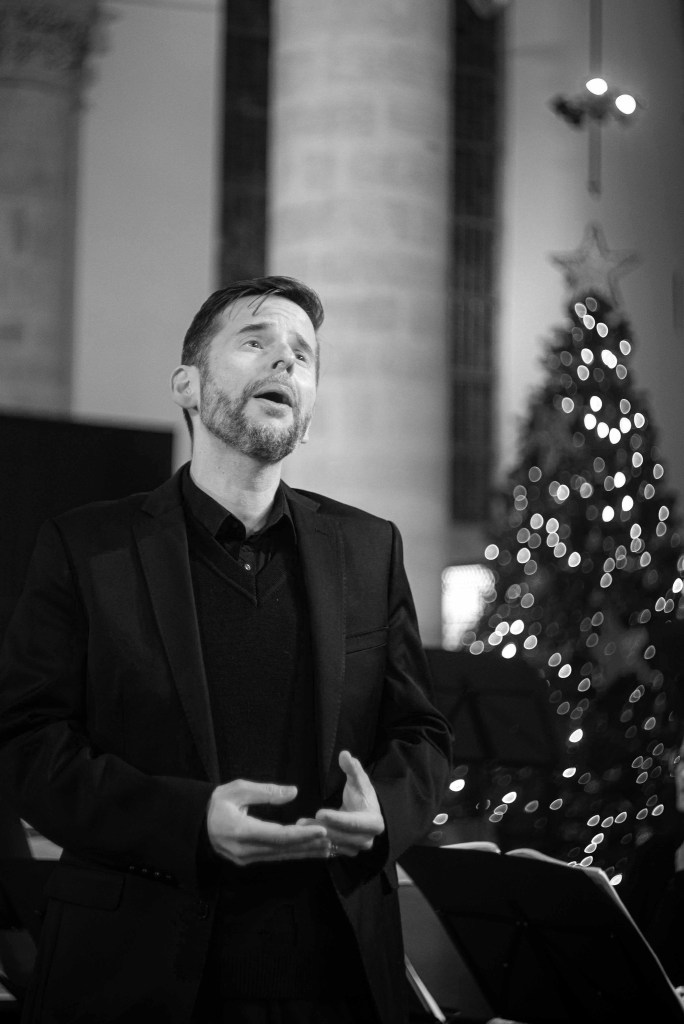
Daniel Johannsen

All photos above by Donald Bentvelsen. Find him on Instagram at @bentvel.

I highly recommend the video of the most recent live performance by the Netherlands Bach Society under the direction of Lars Ulrik Mortensen. They performed cantatas 1, 4, 5, and 6 of Bach’s Christmas Oratorio in the Netherlands earlier this month. I attended the concert in Naarden on December 11, the video below is from the performance in Utrecht, two days later. The choir could have been a bit larger for my personal taste, but for the rest I absolutely loved this performance, with text-focused singing by all soloists, and fabulous and sensitive playing by the instrumentalists, allowing for musical dialogues with the singers. I especially enjoyed the contributions by tenor Daniel Johannsen, oboist Rodrigo Lopez-Paz (photo in my previous post), violinist Lucia Giraudo, and horn players Bart Aerbeydt and Milo Maestri. I very much ejoyed reading the program booklet, especially the the interview with director Lars Ulrik Mortensen.

Read the English program book for this performance here. Read a bit more on the fifth cantata from this same performance in my previous post.

Please consider subscribing to this blog (just click on the button below), it really helps me!

Best wishes for the New Year,

Wieneke Gorter, December 23, 2024.

* if you don’t know the story, please find it here.
Multifunctional trumpets, from 1723 to 1748

27 Sunday Aug 2023

Posted by cantatasonmymind in 1723 Trinity season special series, Bach's life, Cantatas, Leipzig, Trinity

≈ Leave a comment

Tags

Alex Potter, BWV 69, BWV 69a, Christ healing a deaf mute, Dominik Wörner, Eduard van Hengel, J.S. Bach Foundation, J.S. Bach Stiftung, Karl Graf, Michael Maul, Miriam Feuersinger, Mirjam Berli, Peter Kooij, Raphael Höhn, Rudolf Lutz, Thomas Hobbs, Trinity 12, trumpets

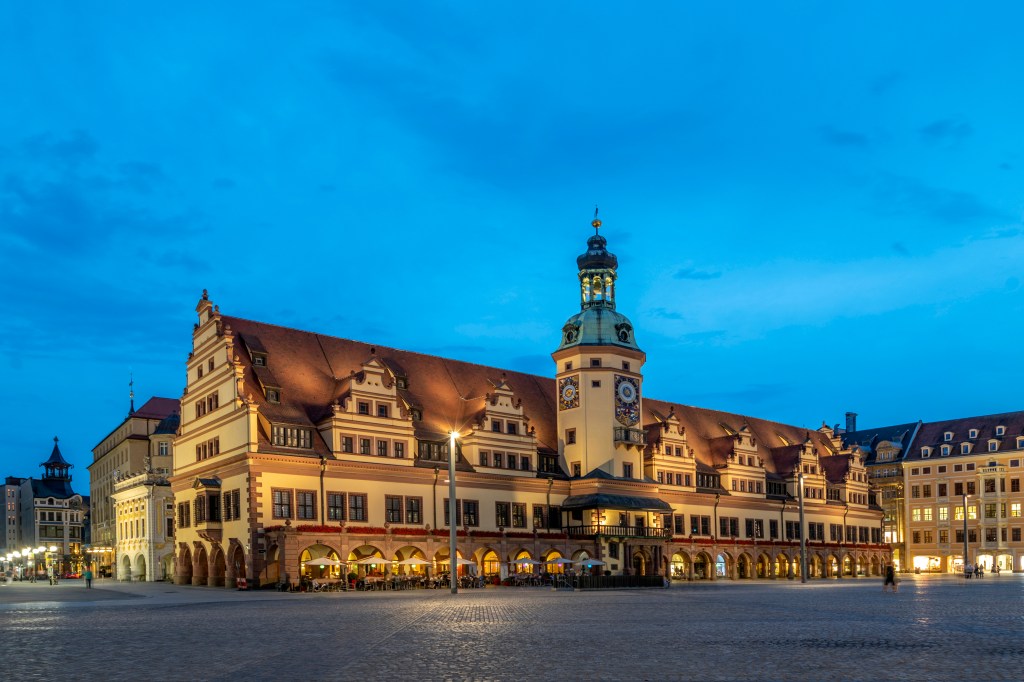
Old Town Hall in Leipzig

For those of you receiving this in email, please click on the post to read in a web browser, as images and table will display much better that way.

For this Sunday in 1723, the 12th after Trinity, Bach wrote Cantata 69a Lobe den Herrn, meine Seele. In my post from 2016 I remarked how unusual it was for Bach to use trumpets on such a “normal” Sunday, and imagined his father-in-law being in town for a visit. But this week I heard two better arguments. 

In his podcast, Bach scholar Michael Maul suggests that after the incredibly serious and sad music of the past three Sundays, Bach might have realized that the Leipzig churchgoers needed to hear something more upbeat. This might sound trivial, but if you look at Bach’s passions, he knew very well when a change in mood was needed and mastered that skill like a great opera composer or playwright. In addition to this good reason, I was also convinced by theologian Karl Graf in the J.S. Bach Foundation’s lecture about Cantata 69a, because he reminded me that the Bible story on which this cantata is based is that of Christ healing a deaf mute. Graf points out that in the time of the Bible, but also still in Bach’s time, a deaf mute would not only have been excluded from society, but would also have been considered a person without faith. Thus, the rejoicing by chorus and trumpets is not only an illustration of the praise the crowd gives after witnessing the miracle, but especially of this person finding faith.

A quarter century later, in 1748, Bach recycled this cantata during the same time of year, but for a completely different occasion: the installation of the new Town Council, or “Ratswahl.” The “Ratswahl” was always on the first Monday after August 24 (the feast of St. Bartholomew); which in 1748 fell on Monday, August 30. Bach must have written about 27 Ratswahl cantatas, but only six have survived.

I have listed Bach’s changes in 1748 here below, expanding on a table created by Eduard van Hengel. I’ve included links for live video recordings of both cantatas (just click on the link at the top of each column).

Cantata 69a for Trinity 12 1723

Live video recording by the J.S. Bach Foundation, Rudolf Lutz, conductor. With
Mirjam Berli, soprano; Alex Potter, alto; Raphael Höhn, tenor; Dominik Wörner, bass.
Cantata 69 for Ratswechsel 1748

Live recording by the Netherlands Bach Society, Peter Dijkstra, conductor. With
Miriam Feuersinger, soprano; Alex Potter, alto; Thomas Hobbs, tenor; Peter Kooij, bass.
Please find the German texts with English translations here, and the score herePlease find the German texts with English translations here, and the score here
Opening ChorusOpening Chorus, unchanged
Soprano recitative, 11 measures

Ach, dass ich tausend Zungen hätte!
Ach wäre doch mein Mund
Von eitlen Worten leer!
Ach, dass ich gar nichts redte,
Als was zu Gottes Lob gerichtet wär!
So machte ich des Höchsten Güte kund;
Denn er hat lebenslang so viel an mir getan,
Dass ich in Ewigkeit ihm nicht verdanken kann.
Soprano recitative, 18 measures

Wie groß ist Gottes Güte doch!
Er bracht uns an das Licht,
Und er erhält uns noch.
Wo findet man nur eine Kreatur,
Der es an Unterhalt gebricht?
Betrachte doch, mein Geist,
Der Allmacht unverdeckte Spur,
Die auch im kleinen sich recht groß erweist.
Ach! möcht es mir, o Höchster, doch gelingen,
Ein würdig Danklied dir zu bringen!
Doch, sollt es mir hierbei an Kräften fehlen,
So will ich doch, Herr, deinen Ruhm erzählen.
Tenor aria in C Major with recorder and oboe da caccia

Meine Seele,
Auf, erzähle,
Was dir Gott erwiesen hat!
Rühmet seine Wundertat,
Laßt ein gottgefällig Singen
Durch die frohen Lippen dringen!
Alto aria in G Major with violin and oboe


Meine Seele,
Auf! erzähle,
Was dir Gott erwiesen hat!
Rühme seine Wundertat,
Laß, dem Höchsten zu gefallen,
Ihm ein frohes Danklied schallen!
Alto recitative with continuo only,
18 measures

Gedenk ich nur zurück,
Was du, mein Gott, von zarter Jugend an
Bis diesen Augenblick
An mir getan,
So kann ich deine Wunder, Herr,
So wenig als die Sterne zählen.
Vor deine Huld, die du an meiner Seelen
Noch alle Stunden tust,
Indem du nur von deiner Liebe ruhst,
Vermag ich nicht vollkommnen Dank zu weihn.
Mein Mund ist schwach, die Zunge stumm
Zu deinem Preis und Ruhm.
Ach! sei mir nah
Und sprich dein kräftig Hephata,
So wird mein Mund voll Dankens sein.
Tenor recitative with strings 
26 measures

Der Herr hat große Ding an uns getan.
Denn er versorget und erhält,
Beschützet und regiert die Welt.
Er tut mehr, als man sagen kann.
Jedoch, nur eines zu gedenken:
Was könnt uns Gott wohl Bessres schenken,
Als dass er unsrer Obrigkeit
Den Geist der Weisheit gibet,
Die denn zu jeder Zeit
Das Böse straft, das Gute liebet?
Ja, die bei Tag und Nacht
Vor unsre Wohlfahrt wacht?
Laßt uns dafür den Höchsten preisen;
Auf! ruft ihn an,
Dass er sich auch noch fernerhin so gnädig woll erweisen
Was unserm Lande schaden kann,
Wirst du, o Höchster, von uns wenden
Und uns erwünschte Hilfe senden.
Ja, ja, du wirst in Kreuz und Nöten
Uns züchtigen, jedoch nicht töten.
Bass ariaBass aria, unchanged
Closing chorale with instruments doubling the vocal lines

Was Gott tut, das ist wohlgetan,
Darbei will ich verbleiben.
Es mag mich auf die rauhe Bahn
Not, Tod und Elend treiben:
So wird Gott mich
Ganz väterlich
In seinen Armen halten.
Drum lass ich ihn nur walten.
Closing chorale with separate parts for trumpets and timpani

Es danke, Gott, und lobe dich
Das Volk in guten Taten.
Das Land bringt Frucht und bessert sich,
Dein Wort ist wohl geraten.
Uns segne Vater und der Sohn,
Uns segne Gott, der Heilge Geist,
Dem alle Welt die Ehre tut,
Für ihm sich fürchten allermeist,
Und sprecht von Herzen: Amen!

Wieneke Gorter, August 27, 2023.

About Weekly Cantata

I am a bilingual writer, publicist, choral singer, art and nature lover, happy wife, and blessed mother of two. I started this blog in 2016, inspired by my late mother’s love for Bach’s cantatas. After 23 years in the San Francisco Bay Area, I’m now back in the Netherlands.

If you are on social media, please follow me:

  • Facebook
  • Instagram

Please subscribe!

Please join my readers from all over the world and subscribe to this blog! Simply fill in your email address and you’ll receive an email every time I’ve published a new post. Thank you so much / Vielen Dank / Merci mille fois / 감사합니다 / 谢谢 / ありがとう / Mille grazie / Muchas gracias / Muito obrigado / Takk / Terima kasih / Dankuwel!

Designed with WordPress.com

Cantata 73 by Herreweghe

22 Saturday Jan 2022

Posted by cantatasonmymind in Cantatas, Epiphany, Leipzig

≈ Leave a comment

Tags

Bach, Collegium Vocale Gent, Dorothee Mields, Epiphany 3, Peter Kooij, Peter Kooy, Philippe Herreweghe, Thomas Hobbs

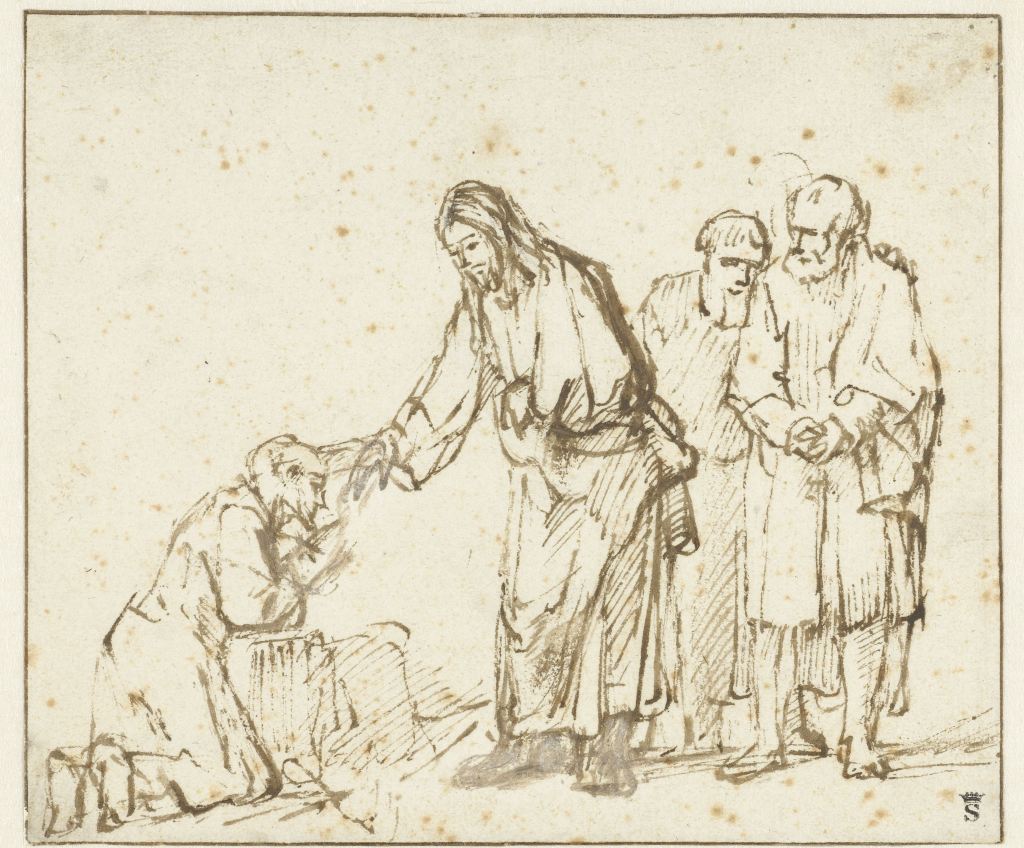
Christ healing a leper, by Rembrandt van Rijn, circa 1650-1655. Rijksmuseum, Amsterdam.

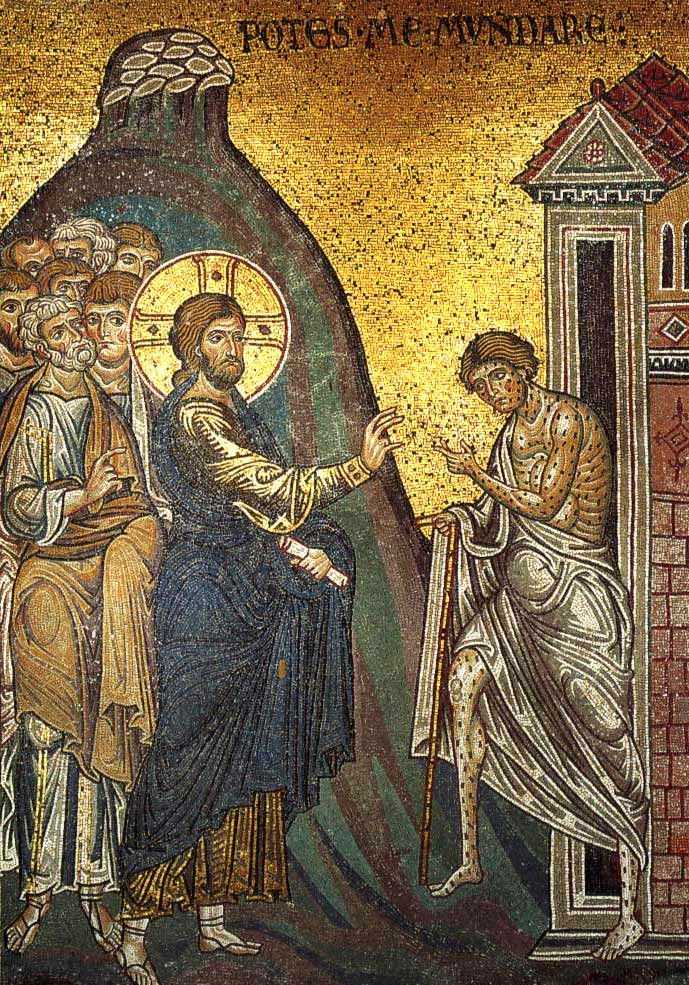
For this third Sunday after Epiphany, Bach wrote four cantatas: 73, 111, 72, and 156. The Bible story for this Sunday is about the miracle of Christ healing a leper. Last year I mentioned that I had a hard time finding the corresponding art for that story. My readers immediately came to the rescue, and pointed me to the two images featured in today’s post. Thank you again!

My favorite of all these cantatas is Cantata 73 Herr, wie du willt, so schick’s mit mir, especially in the 2013 recording by Herreweghe. Please find that recording here on Spotify. Soloists are Dorothee Mields (soprano), Thomas Hobbs (tenor), and Peter Kooij (bass). If you don’t have access to Spotify, you can find their 1990 recording here on YouTube. Soloists on this older recording are: Barbara Schlick (soprano), Howard Crook (tenor), and Peter Kooij (bass).

I had been planning to attend a live performance by Herreweghe of this cantata as well as another one of my favorites, Cantata 198, on January 29 in Brussels, but unfortunately the programming of that concert was changed to the Mass in B Minor. I completely understand the reasoning behind this, and I am absolutely thrilled for the musicians of Collegium Vocale Gent that they get to perform for an audience after all (until earlier this week, it looked as if all concerts in Belgium would be canceled until the end of this month), but I’m so sad about the cantatas!

Please find the German texts with English translations of Cantata 73 here, and the score here.

Jesus healing a leper, Mosaic, 12th century. Cathedral of the Assumption, Monreale, Sicily.

Especially the bass aria makes Herreweghe’s recording of this cantata tower above all others. It is so well done by Peter Kooij and the orchestra; it moves me every time I listen to it.

The best part for me is the illustration of “Leichenglocken” (death bells) by pizzicato strings and a somewhat “tolling” movement in the vocal part. Bach used this feature in many other cantatas, for example in (cantata number/movement number): 8/1, 95/5, 105/4, 127/3, 161/4, 198/4.

To know what else to listen for in this cantata, please read my post from 2016 . There I also explain how this cantata is connected to Cantata 72.

Wieneke Gorter, January 22, 2022.

Dorothee Mields in the spotlight – Third Sunday after Trinity

20 Sunday Jun 2021

Posted by cantatasonmymind in 1723 Trinity season special series, Cantatas, Chorale cantatas 1724/1725, Köthen, Leipzig, Trinity, Weimar

≈ Leave a comment

Tags

Alex Potter, Bach Akademie Stuttgart, Bachstiftung, BWV 135, BWV 172, BWV 21, Dorothee Mields, Gaechinger Cantorey, Hans-Christoph Rademann, J.S. Bach Foundation, J.S. Bach Stiftung, Peter Kooij, Rudolf Lutz, Trinity 3

As far as we know, Bach wrote two cantatas for this Sunday, the third after Trinity: Cantata 21 Ich hatte viel Bekümmernis and Cantata 135 Ach Herr, mich armen Sünder.

Read my post from 2017 about Cantata 135 here. Since I wrote that post, a beautiful live video recording by the J.S. Bach Foundation has been released on YouTube. Find it here.

But now about Cantata 21. It is one of Bach’s most well-known cantatas and it gets programmed often because it features several exciting choruses. The version most of us know is with three soloists: a soprano, a tenor, and a bass. Bach first wrote it like that in Weimar and later performed a similar version in Leipzig in 1723, as part of his first year there. However, in 1720, he created a different version, which he performed in Köthen as well as in Hamburg. It is likely that this version was created for a special soprano soloist (possibly Anna Magdalena?), because in this version, Bach assigns all three tenor solos to the soprano as well, thus featuring the soprano in every solo movement. The bass joins her for two duets.

Dorothee Mields

It turns out that the J.S. Bach Foundation decided to perform this 1720 version for their live video series, with soprano Dorothee Mields and bass Peter Kooij. If I had been at that concert in person, I would have joined the whooping and clapping at the end, because it is an outstanding performance by both soloists but also by the chorus. I only discovered this video recording by accident tonight. I had completely missed it when it was released earlier this month. I meant to write a very short blog post today, quickly giving you some links to previous posts and then go to sleep, but I was completely mesmerized by Dorothee Mields’ singing and was unable to close my computer.

In my post from 2016 about Cantata 21, I show how similar the duet from this cantata is to the duet from Cantata 172 (also written in Weimar). When I watched the J.S. Bach Foundation video of Cantata 21 and witnessed Mields’ art of being in sync with her duet partner, I remembered there’s another wonderful video I have wanted to share. It is Dorothee Mields and Alex Potter singing the duet from Cantata 172 in this video by the Bach Akademie Stuttgart that came out at the end of May. I enjoy very much how sensitive Mields and Potter both are to the music and the text, and how beautifully and naturally their voices move together.

Wieneke Gorter, June 19, 2021.

Bach’s Music for Ascension Day

13 Thursday May 2021

Posted by cantatasonmymind in Ascension, Cantatas, Leipzig

≈ Leave a comment

Tags

Amsterdam Baroque Orchestra, Andrew Tortise, Annekathrin Laabs, Ascension, Ascension Oratorio, Barbara Schlick, Bernhard Landauer, BWV 11, BWV 128, BWV 37, BWV 43, Catherine Patriasz, Charles Daniels, Christiane Mariane von Ziegler, Christmas Oratorio, Christoph Prégardien, Collegium Vocale Gent, Dietrich Henschel, English Baroque Soloists, John Eliot Gardiner, Klaus Mertens, Lenneke Ruiten, Meg Bragle, Miriam Feuersinger, Peter Kooij, Philippe Herreweghe, Sibylla Rubens, Ton Koopman, Wolf Matthias Friedrich

The Ascension, from the illuminated 15th-century manuscript Les Très Riches Heures du duc de Berry, Folio 184r – Musée Condé, Chantilly, France.

Today was Ascension Day. In Bach’s time this was a very important holiday in the churches. Many countries in Europe have a four-day weekend starting on this Thursday. I did too as a kid growing up in the Netherlands. But we didn’t go to church on this day, and I don’t remember my mother playing the Ascension cantatas or the Ascension Oratorio on the turntable at home on this day. Instead we went for a bike ride, visit grandparents, or go camping. I didn’t know Bach’s music for Ascension Day at all until we performed BWV 11 and 43 with California Bach Society in the early 2000s. The choruses from these compositions are among the most fun I have every sung in a choir. I love the syncopated rhythms.

Here is an overview of Bach’s music for Ascension Day, as far as we know, in order of creation:

In 1724, Bach wrote Cantata 37 Wer da gläubet und getäuft wird (Whoever believes and is baptised). Listen to it here. Soloists in this recording by Ton Koopman/Amsterdam Baroque Orchestra are Sibylla Rubens, soprano; Bernhard Landauer, alto; Christoph Prégardien, tenor; and Klaus Mertens, bass.

In 1725, as part of the series of cantatas on texts by Christiane Mariane von Ziegler, Bach wrote Cantata 128 Auf Christi Himmelfahrt allein (On Christ’s ascension alone). Listen to it here. Soloists on this live recording by John Eliot Gardiner/English Baroque Soloists are Lenneke Ruiten, soprano; Meg Bragle, mezzo soprano; Andrew Tortise, tenor; and Dietrich Henschel, bass. Find my blog post from 2018 about this cantata, which includes a different recording by Gardiner here.

The last Bach cantata we have for this holiday is from 1726: Cantata 43 Gott fähret auf mit Jauchzen (God ascends with shouts of joy). Listen to it here. Soloists in this live recording by Rudolf Lutz/J.S. Bach Foundation are Miriam Feuersinger, soprano; Annekathrin Laabs, alto; Charles Daniels, tenor; and Wolf Matthias Friedrich, bass.

Nine years later, Bach wrote his Ascension Oratorio, BWV 11 Lobet Gott in seinen Reichen (Praise God in His kingdoms), incorrectly labeled as a cantata in the 19th century. Bach might have been inspired by the Christmas Oratorio he had written only five months before that.

On that Ascension Day, Thursday, May 19, 1735, this oratorio was performed in the morning service in the St. Nicholas Church, and again in the afternoon service in the St. Thomas Church. Watch the wonderful opening chorus here in a live performance by Philippe Herreweghe/Collegium Vocale Gent from 2014 from the Chapelle de la Trinité in Lyon, France. Or listen to the entire oratorio by Philippe Herreweghe/Collegium Vocale Gent on a CD recording from 1993 here. Soloists on that 1993 recording are Barbara Schlick, soprano; Catherine Patriasz, alto; Christoph Prégardien, tenor; and Peter Kooij, bass.

Wieneke Gorter, May 13, 2021.

Something to look forward to

27 Saturday Feb 2021

Posted by cantatasonmymind in Cantatas

≈ 1 Comment

Tags

Alex Potter, BWV 118, BWV 198, BWV 45, Collegium Vocale Gent, Dorothee Mields, Meins Lebens Licht, Peter Kooij, Philippe Herreweghe, Thomas Hobbs

Since January 2020, when I heard that Philippe Herreweghe and Collegium Vocale Gent were recording BWV 45, 118, and 198 with my favorite soloists, I have been eager to listen to that new album, “Meins Lebens Licht.” The release date, March 19, is now almost here, and there are some excellent previews available that I would love to share today.

There is a wonderful “making of” video of this CD recording. Find it here. In this video, soprano Dorothee Mields and bass Peter Kooij talk about how much working with Herreweghe means to them, you see a glimpse of how Herreweghe works with his choir and orchestra, and … you get to hear the exhilirating opening chorus of Cantata 45 in its entirety, part of the beautiful motet “O, Jesu Christ, Meins Lebens Licht,” and several excerpts of the choral movements of Cantata 198. Some of my all-time favorite music, performed by some of the most sensitive interpreters of this repertoire today: it’s a bit of heaven for me.

On the record label’s website, you can hear a bit of each track. Find that here. If you like all of this, please consider supporting the artists by pre-ordering this album. That way you can also start listening right away on March 19. Pre-order here on iTunes, or here on Amazon.

Wieneke Gorter, February 27, 2021

Herreweghe live from Antwerp

13 Saturday Feb 2021

Posted by cantatasonmymind in 1723 Trinity season special series, Cantatas, Chorale cantatas 1724/1725, Leipzig, Trinity, Weimar

≈ Leave a comment

Tags

Alex Potter, bwv 127, BWV 138, BWV 161, Collegium Vocale Gent, Dorothee Mields, Estomihi, Guy Cutting, Peter Kooij, Philippe Herreweghe, Purification of Mary, Shunske Sato, Thomas Hobbs, Trinity 15, Trinity 16

Philippe Herreweghe at the Bach Academy Bruges, photo by M.Hendrickx

On January 31, 2021, Philippe Herreweghe and his Collegium Vocale Gent performed three cantatas at the beautiful concert hall “De Singel” in Antwerp, Belgium. In my humble opinion, this was a very moving and inspired performance, and my hat is off to everyone on stage, that they were able to find this energy and inspiration in Bach’s music, in the texts, and in making music together, because they were performing without an audience. Please find the live video recording here on YouTube. Soloists are Dorothee Mields, soprano; Alex Potter, alto; Guy Cutting, tenor; and Peter Kooij, bass.

I provide a bit of a review and a bit of a listening guide here, with links to my blog posts from previous years about these three cantatas. I did not grow up with any of these cantatas, they weren’t part of the repertoire my mother played on the turntable at home. I learned about them in the process of doing research and writing for this blog (and through other people, in the case of Cantata 127).

Cantata 127 Herr Jesu Christ, wahr’ Mensch und Gott

This cantata, written for today, the last Sunday before Lent, is a great choice for the start of a concert, because it immediately grabs you and draws you in. I already hold a special place in my heart for this music because of the soprano aria (beautifully sung here by Dorothee Mields) being performed at my mother’s funeral service in The Hague in 2010. But even without that, the work is in my all-time top 10. And I am not alone: Bach biographer Spitta called it “perhaps the most important” cantata, and it received “the most beautiful” qualification by Arnold Schering as well as Ton Koopman.  

The cantata is part of Bach’s 1724/1725 cycle of chorale cantatas, and compared to all previous compositions in that cycle, this opening chorus is the most complex and intricate. Click on the link at the end of this paragraph to read why. I love hearing Collegium Vocale sing this. Dorothee Mields and Peter Kooij are fabulous in their arias, and I enjoy hearing and watching tenor Guy Cutting sing. He’s a new star in the Herreweghe firmament. The soprano aria is of course stunning, but what about that bass aria? Whether a foreshadowing of the St. Matthew Passion or a dramatic end to the series of chorale cantatas, Bach had clearly made “studies” for it in his previous three cantatas of that year. Read all about it in my blog post from 2018.

Cantata 138 Warum betrübst du dich, mein Herz

I am so happy with the video recording from January 31, because it eliminates a dilemma for me. When I first wrote about this cantata (written for the 15th Sunday after Trinity in 1723), I wasn’t able to choose between Herreweghe’s recordings from 1992 and 2013, but I feel the video recording from this year is the clear winner! I love the inspired singing by all four soloists, but find Alex Potter’s singing in this cantata especially stunning. In his recitative (starting at 26:23), the combination of his understanding of the text and what he can do with his voice moves me deeply. So much that when the choir basses then follow with their beautiful entrance, I am close to tears. If you feel I’m getting too sentimental here, don’t worry. My blog post from 2016 is about completely different things: a European children’s animation, a possible, “movie script scenario,” explanation of the relatively simple text in this cantata, and Bach’s recycling of the bass aria.

Cantata 161 Komm, du süße Todesstunde

What a wonderful surprise that Herreweghe included this cantata (written for the 16th Sunday after Trinity but also for the Purification of Mary/Presentation of Jesus at the Temple, which was February 2) in this program. It is such a beautiful and moving composition. In my blog post from this past fall I could only describe how in 2019, when programming the All Souls program for the Netherlands Bach Society, Alex Potter had the brilliant idea to combine the recorders from the Weimar version of this cantata with the sung chorale Herzlich tut mich verlangen nach einem sel’gen End from the Leipzig version. What a delight to see that Herreweghe had adopted this exact idea for this performance in Antwerp, and that we can thus hear and see Alex Potter and Dorothee Mields perform this opening movement together. I love all the singing and playing in this cantata very much, but for me, the tenor aria can’t rival the magic of Shunske Sato accompanying Thomas Hobbs in those All Souls concerts by the Netherlands Bach Society in 2019 (as described here).

Wieneke Gorter, February 13, 2021.

Angels — we can use some this week

25 Friday Dec 2020

Posted by cantatasonmymind in Cantatas, Chorale cantatas 1724/1725, Christmas, Leipzig

≈ 1 Comment

Tags

Bachstiftung, Bernhard Bechtold, BWV 248/1, BWV 91, Christmas 1, Gabrieli Consort & Players, J.S. Bach Foundation, J.S. Bach Stiftung, Margot Oitzinger, Monika Mauch, Paul McCreesh, Peter Kooij, Rudolf Lutz

Hugo van der Goes, Portinari Altarpiece, detail of the center panel foreground, c. 1476, oil on wood. Uffizi galleries, Florence, Italy.

It has been hard to read the newspapers this week and not be touched or even completely floored by human suffering. That’s why Cantata 91 Gelobet seist du, Jesu Christ (from 1724) is like a warm bath to me. The two horns in the orchestra already make my day, but there is also a strong presence of angels in the text and music of this cantata.

Watch a wonderful live registration of this cantata on YouTube by the J.S. Bach Foundation, with Monika Mauch, soprano; Margot Oitzinger, alto; Bernhard Berchtold, tenor; and Peter Kooij, bass.

Find the text and translations here, and the score here.

In the opening chorus (with the ascending scale of fast notes), Bach illustrates the “host of angels” singing, or, as Eduard van Hengel says, even “flapping their wings.”

Last year I already talked about how in most of his cantatas for Christmas Day, Bach focuses on Jesus’ journey from the godly realm, the heavenly glory, to being a struggling man on earth. It is very moving then to hear this following text in the bass solo. And it is a true Christmas present to me that it is Peter Kooij who is singing this on the J.S. Bach Foundation video, because he is one of the best to interpret texts like these. Note how Bach illustrates the “Jammertal” (vale of sorrow) at the end.

O Christenheit!
Wohlan, so mache die bereit,
Bei dir den Schöpfer zu empfangen.
Der grosse Gottessohn
Kömmt als ein Gast zu dir gegangen.
Ach, lass dein Herz durch diese Liebe rühren;
Er kömmt zu dir, um dich for seinen Thron
Durch dieses Jammertal zu führen.
 O Christendom!
Come now, prepare yourself
to welcome the creator amongst you.
The mighty Son of God
has descended and comes to you as a guest.
Ah, let your heart be moved by this love;
He comes to you, in order to lead you
through this vale of sorrow to his throne.

In the beautiful soprano-alto duet (arguably the best part of this cantata), Bach brilliantly illustrates the contrast between the human suffering and the heavenly angels. He sets the suffering parts of the text to chromatic lines, similar to those just introduced on that word “Jammertal” in the bass solo. To the heavenly angels he gives happy, dotted rhythms.

While I grew up waking up to Bach’s Christmas Oratorio on Christmas Day (read more about this tradition here), these days I much prefer listening to all the other, earlier cantatas Bach wrote for the period between from December 25 to January 6. However, there are two new video projects of the Christmas Oratorio just out or about to be launched this year that I don’t wish to ignore, so for those of you eager to watch and listen to any of that, here’s my one-paragraph overview:

Bach never intended this oratorio to be performed on one day. The Christmas Oratorio consists of six cantatas that were each meant to be performed on a different Sunday or holiday: First Christmas Day, Second Christmas Day, Third Christmas Day, New Year’s Day, Sunday after New Year, and Epiphany. The J.S. Bach Foundation in Switzerland recently released all six cantatas for free on their YouTube channel. You can find the list of videos, one for each cantata, here. If you enjoy watching these videos, please consider donating to the organization so they can continue to pay their musicians and produce these wonderful registrations. Voces8’s excellent “Live from London Christmas” paid programming features all six cantatas performed by The Gabrieli Consort & Players under the direction of Paul McCreesh. Appropriately, each cantata will go live on the day for which it was intended. You can purchase this series here.

Wieneke Gorter, December 24, 2020

Consolation and creativity

01 Sunday Nov 2020

Posted by cantatasonmymind in Cantatas, Chorale cantatas 1724/1725, Trinity

≈ Leave a comment

Tags

21st Sunday after Trinity, BWV 2, BWV 38, Gilles Vanssons, Guro Hjemli, J.S. Bach Foundation, J.S. Bach Stiftung, Johannes Kaleschke, Meike Gueldenhaupt, Peter Kooij, Philippe Herreweghe, Rudolf Lutz, Ruth Sandhoff, Trinity 21

When I wrote this post three days ago, I had been feeling pretty sad. I missed connections, I was once again shocked by how people in this world can behave towards one another, and baffled as always by the lack of empathy shown by the leader of my adopted country and his enablers. So I wrote:

“A word, or token of consolation amidst all the suffering. Don’t we all need that this year, this month, this week? I do. Maybe Bach did too during this week in October 1724.”

This is still true of course, but over the past two days my spirits were lifted in such a way that it felt strange to just post my somewhat somber message from Thursday. So now I’m typing again on a Sunday when I really wanted to be done writing before the weekend 🙂

Over the past two days I was inspired by creativity in my family, in my neighborhood, and in photos I saw posted by friends in other parts of the San Francisco Bay Area and the United States. It has to do with how many of us found new ways of celebrating Halloween. From contraptions for sliding candy down a rain gutter, outdoor movie screenings, extensive decorations in front yards and on front windows (so people just going for a walk would have something to look at), individually wrapped goody bags clipped to a laundry line, to treasure hunts for small groups, it was all there. And because of the email and text conversations with the neighbors beforehand, our family needing to work as a team for part of the day to execute our own plans, and my husband and I sitting by the fire pit in our front yard in the evening (to make sure our goody bags wouldn’t get swiped and to see some costumes), I think I felt a deeper connection to my community here than I have at some other times on this holiday.*

Back to Bach: my favorite cantata for this 21st Sunday after Trinity is Cantata 38 Aus tiefer Not schrei ich zu Dir (Out of the depths I cry to Thee). In my post from 2017 I recommended Herreweghe’s recording, and I still prefer that one for Peter Kooij’s singing of the bass part in the penultimate movement. But for all the other movements, I’m quite taken by the interpretation of the J.S. Bach Foundation. Find it here on YouTube. Soloists are: Guro Hjemli, soprano; Ruth Sandhoff, alto; and Johannes Kaleschke, tenor.

Please find the German text with English translations here, and the score here.

It is the tenor aria that brings the consolation, in text as well as in music. On this recording this exquisite piece of chamber music is beautifully performed by Johannes Kaleschke, tenor, and Meike Güldenhaupt and Gilles Vanssons, oboes.

To read more about this cantata in the context of Bach’s reverence for Martin Luther (just as this year, in 1724 Reformation Day, October 31, almost coincided with the 21st Sunday after Trinity), and understand why there are four trombones standing amidst the choir, find my blog post from 2017 here. In that post, I compare the opening chorus of this cantata with the one from Cantata 2, which is for a different Sunday, but also celebrates a chorale by Luther. Since 2017, the J.S. Bach Foundation has released a very compelling video registration of that cantata as well. Find my listening guide for that specific recording here.

Wieneke Gorter, November 1, 2020.

*Last year I wasn’t even in California on Halloween, but attending concerts in the Netherlands. Read about that here and here.

Deeply moving arias and a new video of Cantata 114

04 Sunday Oct 2020

Posted by cantatasonmymind in Cantatas, Chorale cantatas 1724/1725, Leipzig, Trinity

≈ Leave a comment

Tags

BWV 114, BWV 148, David Erler, Dresden, Gérard Lesne, Georg Poplutz, Gustav Leonhardt, J.S. Bach Foundation, John Eliot Gardiner, John Elwes, Leipzig, Leonhardt, Marc Hantaï, Peter Kooij, Pisendel, Rudolf Lutz, Wolf Matthias Friedrich

Nikolaikirche (St. Nicholas Church) in Leipzig

This 17th Sunday after Trinity has been connected to more discoveries than any other so far for me, and I keep making new ones:

In 2016, I wrote a post about Cantata 148 Bringet dem Herrn Ehre seines Namens, then learned a lot of new information during the months that followed, which led me to completely revise the post in February 2017. It talks about Dresden concertmaster Johann Georg Pisendel and his influence on the violin solos Bach wrote in Leipzig. Read it here.

Marc Hantaï

In 2017, I realized that at least two arias Bach wrote for this Sunday make me cry, not because of the singers, but because of the instrumental solos that accompany those arias. Read it here, in a post that introduces Cantata 114 Ach, lieben Christen, seid getrost. At that time, the best recording I could find was a live radio registration of a performance led by Gustav Leonhardt in 1988. All this because of the tenor aria.* I knew who the tenor was (John Elwes), but could only make an educated guess about the extraordinary flute player, probably Marc Hantaï. That recording also had my first countertenor love, Gérard Lesne, singing the alto aria.

David Erler. Photo by Björn Kowalewsky

At the last gathering of the Berkeley Bach Cantata Group I attended before the Shelter In Place started (and all rehearsals and performances stopped) here in the SF Bay Area, I got to discuss Bach’s “Pisendel style” violin solos a bit with the first violinist of that group. In an email-exchange that followed, he pointed out a countertenor he liked, but who I had never heard of before: David Erler.

Then this week, while checking if any new recordings of cantatas 148 or 114 had come out since I wrote those blog posts, I discovered to my great delight that in September 2018 the J.S. Bach Foundation recorded Cantata 114 Ach, lieben Christen, seid getrost with … Marc Hantaï playing flute in the tenor aria! (I now for sure know it was him in that 1988 Leonhardt recording) and … David Erler singing the alto aria (and doing an excellent job). While it doesn’t rival the energy of the soprano solo on the Gardiner recording (for this, please read my blog post from 2017 about this cantata), nor Peter Kooij’s solo on the Leonhardt recording, it is a fabulous and very moving performance, and you can see Marc Hantaï play. Find this live video recording by the J.S. Bach foundation here on YouTube. Soloists are: David Erler, alto; Georg Poplutz, tenor; and Wolf-Matthias Friedrich, bass.

Find the German texts with English translations of Cantata 114 here, and the score here.

©Wieneke Gorter, October 4, 2020.

Read more:

In 2018, I realized that Bach reworked the incredibly moving tenor aria with flute from Cantata 114 into a faster tenor aria with oboe for Cantata 124, and that nobody else seemed to have noticed this yet. Read that here.

Read more about my first countertenor loves here.

← Older posts

Recent Posts

  • “Missa Miniatura” by CONTINUUM/Elina Albach Even More Moving in 2025
  • Bachfest Leipzig 2025
  • Bach Cantatas for Christmas – 1724 and 1734 editions
  • Fourth Sunday of Advent – more insight into Cantata 62 helped me better understand Bach’s Christmas Oratorio
  • Saint Ambrose and Luther in Milan – Second Sunday of Advent

Archives

  • August 2025
  • July 2025
  • December 2024
  • November 2024
  • June 2024
  • January 2024
  • December 2023
  • October 2023
  • September 2023
  • August 2023
  • April 2022
  • February 2022
  • January 2022
  • December 2021
  • November 2021
  • June 2021
  • May 2021
  • April 2021
  • February 2021
  • January 2021
  • December 2020
  • November 2020
  • October 2020
  • September 2020
  • August 2020
  • July 2020
  • May 2020
  • April 2020
  • March 2020
  • February 2020
  • January 2020
  • December 2019
  • November 2019
  • May 2018
  • April 2018
  • March 2018
  • February 2018
  • January 2018
  • December 2017
  • November 2017
  • October 2017
  • September 2017
  • August 2017
  • July 2017
  • June 2017
  • May 2017
  • April 2017
  • March 2017
  • February 2017
  • January 2017
  • December 2016
  • November 2016
  • October 2016
  • September 2016
  • August 2016
  • July 2016
  • June 2016
  • May 2016
  • April 2016
  • March 2016
  • February 2016
  • January 2016

Enter your email address to follow this blog and receive notifications of new posts by email.

Join 338 other subscribers

Categories

  • 1723 Trinity season special series
  • Advent
  • After Easter
  • Ascension
  • Bach's life
  • Cantatas
  • Chorale cantatas 1724/1725
  • Christmas
  • Easter
  • Epiphany
  • Following Bach in 1725
  • Köthen
  • Leipzig
  • Septuagesima
  • Travel
  • Trinity
  • Weimar

Meta

  • Create account
  • Log in
  • Entries feed
  • Comments feed
  • WordPress.com

Website Built with WordPress.com.

  • Subscribe Subscribed
    • Weekly Cantata
    • Join 158 other subscribers
    • Already have a WordPress.com account? Log in now.
    • Weekly Cantata
    • Subscribe Subscribed
    • Sign up
    • Log in
    • Report this content
    • View site in Reader
    • Manage subscriptions
    • Collapse this bar
 

Loading Comments...